Best Japanese Skincare Brands: From Drugstore to Luxury
Quick Takeaway
- Best overall drugstore brand: Hada Labo. Simple, effective hyaluronic acid skincare at unbeatable prices.
- Best for sun protection: Biore UV Aqua Rich (lightweight daily wear), Anessa (heavy duty outdoor protection), Skin Aqua (tone correcting tints).
- Best luxury: SK-II (Pitera ferment), Shiseido Prestige (Ultimune, Vital Perfection), Clé de Peau (ultra premium Shiseido research).
- Best for sensitive skin: Curel (ceramide technology), Minon (amino acid formulas), d program (Shiseido’s dermatologist developed line).
- Worth noting: Japanese drugstore brands invest heavily in R&D relative to their price points. Many outperform Western prestige products in independent testing and community comparisons.
Japanese skincare has a depth of brands that most consumers never see. Beyond the SK-II counter at Sephora, there’s a massive world of drugstore and mid range brands that Japanese consumers use every day. These are the products that consistently top @cosme rankings, fill Japanese bathroom shelves, and get recommended endlessly on r/AsianBeauty.
This guide covers the brands actually worth knowing, organized by price tier, with their standout products and what makes each one different.
Quick Reference
| Tier | Brands | Known For |
|---|---|---|
| Drugstore | Hada Labo, Biore, Canmake*, Naturie, Kiku-Masamune, Melano CC, Skin Aqua, Kose, DHC, Cure, Sana, Chifure, Senka, Heroine Make*, Muji, Cezanne*, Minon | Affordable, simple, effective |
| Mid Range | FANCL, d program, Lululun, Anessa, TAKAMI, Curel, Obagi, Elixir, Orbis, Matsuyama, Albion | Specialized formulas, dermatologist backed |
| Luxury | SK-II, Shiseido, Clé de Peau, Cosme Decorte, Shu Uemura, POLA, Suqqu | Prestige formulations, premium ingredients |
*Primarily makeup brands, included for their UV/skincare crossover products.
Drugstore / Affordable
These are the brands that made J beauty famous online. They cost under $15 for most products and are what the community actually uses daily.
Hada Labo (by Rohto)
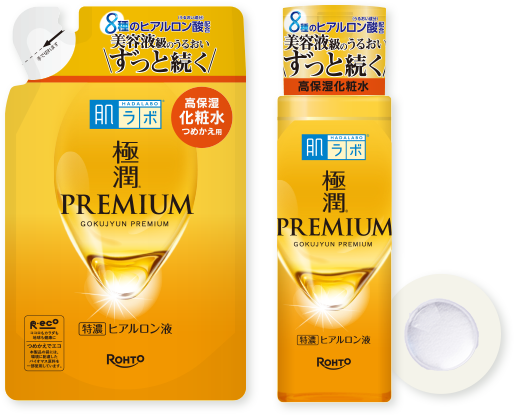
The hyaluronic acid brand. Hada Labo (part of the Rohto Pharmaceutical family, which also makes Melano CC and Skin Aqua) built its entire range around one idea: simple, effective hydration. No fragrance, no unnecessary ingredients, just hyaluronic acid in various formats. The Gokujyun Hyaluronic Lotion Moist is probably the single most recommended J beauty product across all categories. The Premium version upgrades to 7 types of hyaluronic acid for even more hydration.
For a full breakdown of every product line, see the Hada Labo guide.
Biore
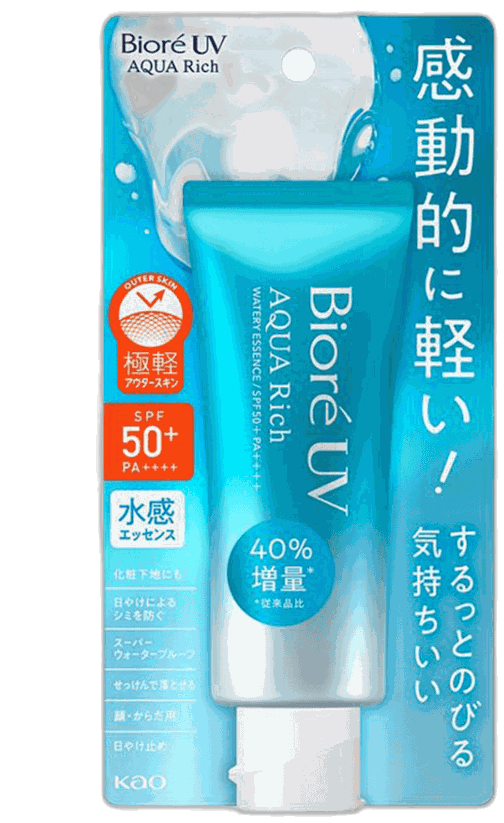
Sunscreen royalty. Biore (also by Kao) makes some of the most popular sunscreens in the world. The UV Aqua Rich Watery Essence has near legendary status in the skincare community for feeling like absolutely nothing on skin while providing SPF50+ PA++++ protection.
Important note: the Japanese Biore UV products and the US Biore products are completely different formulas. The community hype is about the Japanese imports specifically.
Canmake
Primarily a makeup brand, included here for their UV products. Japan’s affordable makeup and sunscreen brand. Canmake proves that great products don’t need to cost much. The Mermaid Skin Gel UV doubles as sunscreen and primer and costs almost nothing. On the makeup side, the Marshmallow Finish Powder and Cream Cheek blush are consistently bestsellers in Japan.
Naturie
Two products. Both excellent. Naturie keeps it simple with the Hatomugi (Job’s tears) line. The Skin Conditioner is a giant 500ml bottle of lightweight hydrating lotion for almost nothing. The Skin Conditioning Gel is a light oil free moisturizer. Many people use both together as a complete hydration routine.
Kiku-Masamune
A sake brewery that makes skincare. This sounds like a gimmick but the Sake Brewing Skin Care Lotion High Moist is genuinely one of the most popular hydrating lotions in the J beauty community. It comes in a massive 500ml bottle and uses sake ferment filtrate (fermented rice) as its star ingredient. Many people use it on both face and body.
Read the full Kiku-Masamune review →
Melano CC (by Rohto)
The affordable vitamin C serum that the community swears by. Melano CC Intensive Measures Essence is a lightweight vitamin C serum for dark spots and uneven tone. At its price point, there’s really nothing comparable in the international market. Like Hada Labo and Skin Aqua, Melano CC is part of the Rohto Pharmaceutical umbrella, one of Japan’s largest OTC pharmaceutical companies.
Read the full Melano CC guide →
Kose
A massive Japanese beauty conglomerate that makes everything from drugstore sunscreen to luxury skincare (they own Cosme Decorte and Addiction). At the drugstore level, Kose is known for the Softymo cleansing oils and the Suncut UV line. The Clear Turn sheet masks are also hugely popular in Japan.
DHC
DHC is one of the most recognized brands in Japan. The Deep Cleansing Oil is an icon. Olive oil based, dissolves everything, rinses clean. DHC also makes the Olive Virgin Oil (a facial oil) and a wide range of supplements. Their products are available at some retailers.
Cure
A one product brand, essentially. Cure Natural Aqua Gel is a gentle exfoliating gel that you massage onto dry skin. It balls up and takes dead skin with it. It sounds strange but it works and has a devoted following both in Japan and internationally.
Sana
Known for soy based skincare. The Nameraka Honpo line uses soy isoflavones across cleansers, lotions, and moisturizers. The Wrinkle Cream is a medicated product (quasi drug in Japan) with retinol and niacinamide at a drugstore price, which is unusual. For a full breakdown of every product line, see our Sana Nameraka Honpo guide.
Chifure
Japan’s original affordable skincare brand. Chifure has been around for decades and was pioneering accessible skincare before it was trendy. The All in One Moisture Gel is a 6 in 1 product (lotion, serum, cream, makeup base, mask, eye cream) that costs almost nothing. Everything is fragrance free and simple.
Senka
Shiseido’s drugstore cleanser brand. Senka Perfect Whip is one of the most purchased face washes in Japan. Dense, creamy foam that comes from the tube ready to lather. Affordable and effective.
Skin Aqua (by Rohto)
The third major brand in the Rohto Pharmaceutical sunscreen lineup (alongside Hada Labo and Melano CC), sitting alongside Biore in the community’s top picks. Skin Aqua carved out its own niche with tinted, tone correcting sunscreens before most brands caught on. The Tone Up UV Essence adds a lavender tint that brightens skin tone while providing SPF50+ protection. The Super Moisture Gel is a popular lightweight option for people who want hydration without any white cast.
Heroine Make (by KissMe)
Primarily a makeup brand, included here for completeness. The mascara brand. Heroine Make Long & Curl Mascara is arguably the most iconic Japanese mascara in the world. It’s famous for holding a curl all day and being virtually impossible to smudge. The “Super Waterproof” version requires a dedicated remover. KissMe also makes the Heavy Rotation eyebrow line, which is a staple at Japanese drugstores. If Biore is the name in Japanese sunscreens, Heroine Make is the name in Japanese mascara.
Muji
Yes, that Muji. The minimalist lifestyle brand makes a surprisingly well regarded skincare line. The Sensitive Skin Toning Water is one of the most repurchased toners in Japan. Giant bottles, gentle formulas, no fragrance, no frills. The Cleansing Oil is also popular as an affordable, no nonsense first cleanser. Everything comes in the clean, simple Muji packaging and costs very little.
Read the full Muji skincare guide →
Cezanne
Primarily a makeup brand, included here for their ceramide skincare and UV products. Canmake’s biggest rival in the Japanese budget makeup space. Cezanne keeps prices extremely low while delivering surprisingly good formulas. The Skin Conditioner High Moist is a hydrating lotion with ceramides that the community loves as an affordable alternative to pricier ceramide products. The Pearl Glow Highlight is one of the most popular drugstore highlighters in Japan. The UV Ultra Fit Base is a popular affordable primer with sun protection.
Minon (by Daiichi Sankyo)
Amino acid skincare for sensitive skin. The Minon Amino Moist series is a community favorite for reactive, easily irritated skin, frequently recommended alongside Curel on r/AsianBeauty. Developed by Daiichi Sankyo (a major pharmaceutical company), the line uses amino acids to support the skin barrier without fragrance or harsh ingredients. The Charge Milk and Milky Cleanse are both standouts, and the UV Mild Milk offers gentle sun protection for sensitive skin types.
Mid Range
More specialized formulas, often backed by dermatological research or focused on specific skin concerns. Typically $15 to $40 per product.
FANCL
Preservative free skincare. FANCL’s entire philosophy is no preservatives, which means smaller packaging with shorter shelf lives, but extremely gentle formulas. The Mild Cleansing Oil is consistently ranked as the #1 cleansing oil on Amazon Japan. Everything is fragrance free and additive free.
d program (by Shiseido)
Shiseido’s sensitive skin line, developed with dermatologists. The Essence In Cleansing Foam is one of the gentlest cleansers in J beauty. The Moist Care line provides hydration without irritation. This brand is popular in Japan with people who can’t use most other skincare.
Lululun
Sheet masks that are meant for everyday use, not special occasions. Lululun sells masks in bulk packs (7 or 32 count) because the idea is to use them regularly as part of your routine. The Hydra EX Mask is the most popular. In Japan, daily masking is more common than in Western countries, and Lululun is the brand most associated with that habit.
Anessa (by Shiseido)
Shiseido’s premium sun care brand. When serious sun protection matters (beach, outdoor sports, daily commute in summer), Anessa is what the community reaches for. The Perfect UV Sunscreen Skincare Milk is built for sweat, water, and heat. Not the cheapest sunscreen but widely considered the strongest.
TAKAMI
Known for one product: the Skin Peel. Despite the name, it’s not a traditional peel. It’s a gentle liquid exfoliating serum that’s mild enough for daily use. It’s become one of the most talked about Japanese exfoliating products in the community.
Curel
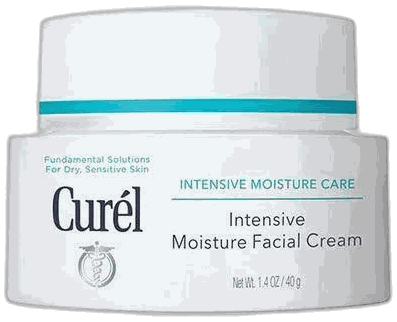
Japan’s leading sensitive skin brand, built around ceramide technology. Made by Kao (same parent as Biore). The Intensive Moisture Cream and UV Serum are both designed for reactive, easily irritated skin. Fragrance free, alcohol free, dermatologist approved. The UV Serum is one of the few Japanese mineral sunscreens that gets community endorsement.
Obagi
The Japanese Obagi line (different from the US Obagi brand) focuses on high concentration vitamin C serums. The C25 Serum NEO contains 25% pure vitamin C, which is a very high concentration. The Enzyme Face Wash Powder is also popular for gentle daily exfoliation.
Read the full Obagi Japan guide →
Elixir (by Shiseido)
Shiseido’s anti aging mid range line. Popular with the 30+ crowd in Japan. The Day Care Revolution combines moisturizer and SPF50+ sunscreen in one step. The Lifting Moisture Lotion uses collagen technology for firming. Elixir sits in a sweet spot between drugstore and luxury pricing.
Orbis (by POLA)
POLA’s more accessible skincare line. Orbis U is the anti aging series (the Orbis U Lotion is a hydrating toner that won multiple @cosme awards), while Orbis Clearful targets acne prone skin. The Cleansing Liquid and The Cleansing Oil are both popular for makeup removal. Because POLA handles the R&D, Orbis products punch above their price point.
Matsuyama
Known for the Hadauru (肌をうるおす, “moisturize your skin”) ceramide line. Simple, clean formulations with short ingredient lists, popular with the r/AsianBeauty minimalist crowd. The Hadauru Moisturizing Infusion Balancing Lotion and Moist Rich Lotion are both ceramide forward hydrating toners at reasonable prices. A solid choice for people who want effective ceramide care without complexity.
Albion
A Japanese prestige brand with a cult following. The Skin Conditioner Essential is iconic in Japan, a hydrating toner built around Job’s tears (hatomugi) extract that has been a @cosme staple for years. Albion is also known for its “milk before lotion” method, where you apply emulsion before toner (the opposite of most routines). The Exage Moist Advance Milk is designed for exactly this approach.
For a closer look at the hero product, see our Albion Skin Conditioner review.
Luxury / Prestige
Premium formulations, advanced research, beautiful packaging. These range from $50 to well over $200 per product.
SK-II
The Pitera brand. SK-II is built around a single trademarked ingredient: Pitera, a yeast ferment filtrate discovered at a sake brewery. The Facial Treatment Essence is one of the most famous luxury skincare products in the world. Expensive, but it has a devoted following that spans decades. Available at Sephora and department stores internationally. If the price is a barrier, see our affordable SK-II alternatives.
Shiseido (Prestige Line)
Shiseido is Japan’s oldest cosmetics company (founded 1872, with a name drawn from the Chinese classic I Ching) and one of the largest beauty companies in the world. The prestige line includes the Ultimune Power Infusing Concentrate (a “pre serum” that boosts everything applied after it) and the Vital Perfection anti aging range. Available at department stores and Sephora.
Read the full Shiseido guide → | All Shiseido sub brands explained →
Clé de Peau Beauté
Shiseido’s ultra luxury line. The Correcting Cream Veil SPF25 is one of the most raved about primers in the beauty world. Clé de Peau products are expensive but the formulations reflect decades of Shiseido’s research.
Read the full Clé de Peau guide →
Cosme Decorte
Kose’s luxury line. The Liposome Advanced Repair Cream won the @cosme 2025 Best Face Cream award. The technology uses trillions of multi layer liposomes to deliver ingredients deep into skin. Rich but absorbs fast.
Read the full Cosme Decorté guide →
Shu Uemura
The cleansing oil brand. Founded by makeup artist Shu Uemura, the brand is famous for the Ultime8 Sublime Beauty Cleansing Oil, widely considered the gold standard of oil cleansers. Also known for the Hard Formula Eyebrow Pencil, which makeup artists worldwide use.
Read the full Shu Uemura guide →
POLA
A prestige brand known for cutting edge research. The Wrinkle Shot Medical Serum won @cosme’s 2025 Best Eye Care award with its proprietary NEI-L1 ingredient that targets expression lines. The White Shot line focuses on brightening. POLA operates its own research labs and develops ingredients in house.
Suqqu
Luxury makeup and skincare from Kose’s portfolio. Known for elegant, sophisticated products. The Eyelash Curler is famous for fitting a wider range of eye shapes than most curlers. The Soft Matte Setting Powder is a staple in the Japanese luxury makeup space.
Related: Where to buy Japanese Skincare outside Japan · Japanese Skincare Routine for Beginners · Japanese Skincare Ingredients Guide
FAQ
What’s the most popular Japanese skincare brand?
In the online skincare community, Hada Labo is probably the most frequently recommended. In Japan overall, Shiseido (across all its sub brands) is the largest. For sunscreens specifically, Biore and Anessa dominate.
Are Japanese drugstore brands actually good?
Yes. The gap between Japanese drugstore and luxury skincare is smaller than in most markets. Products like Hada Labo Gokujyun Lotion, Canmake Mermaid Skin Gel UV, and Melano CC compete with products many times their price. Japanese drugstore brands invest heavily in R&D relative to their price points.
Which Japanese brands are available at Sephora?
SK-II and Shiseido (prestige) are the main ones. Clé de Peau is available at some locations. The drugstore brands (Hada Labo, Biore JP, Canmake, Heroine Make) are generally not available at Sephora and need to be purchased from specialty J beauty retailers.
What does “medicated” or “quasi drug” mean on Japanese products?
In Japan, “medicated” (医薬部外品) products fall between cosmetics and pharmaceuticals. They contain active ingredients at concentrations that require government approval, like tranexamic acid for brightening or retinol for wrinkles. It’s a stricter regulatory category than regular cosmetics.
Is Tatcha a Japanese brand?
Tatcha was founded in San Francisco by Vicky Tsai and is now owned by Unilever. It’s an American brand inspired by Japanese beauty traditions. The products use some Japanese ingredients and are manufactured in Japan, but it is not a Japanese company. We cover authentic Japanese alternatives in our Tatcha alternatives guide.