Japanese beauty explained
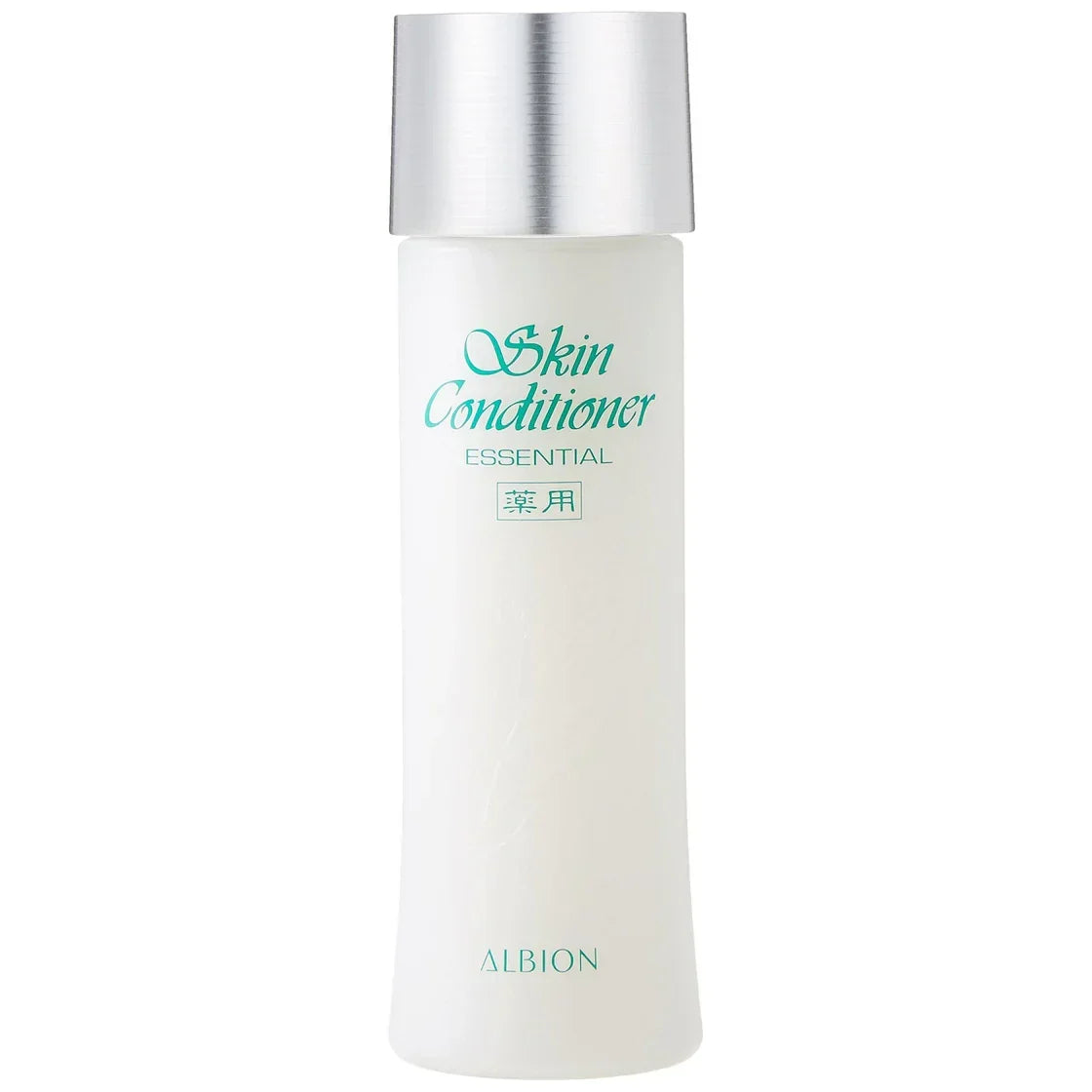
Albion Skin Conditioner Review: Japan's Legendary Luxury Toner
Quick Takeaway
- 50+ year formula, 47 million bottles sold. Albion Skin Conditioner Essential has been in production since 1974 and barely changed.
- A luxury hatomugi toner with a proprietary Hokkaido grown Job’s Tears extract, licorice root active, and witch hazel. Classified as a quasi drug in Japan.
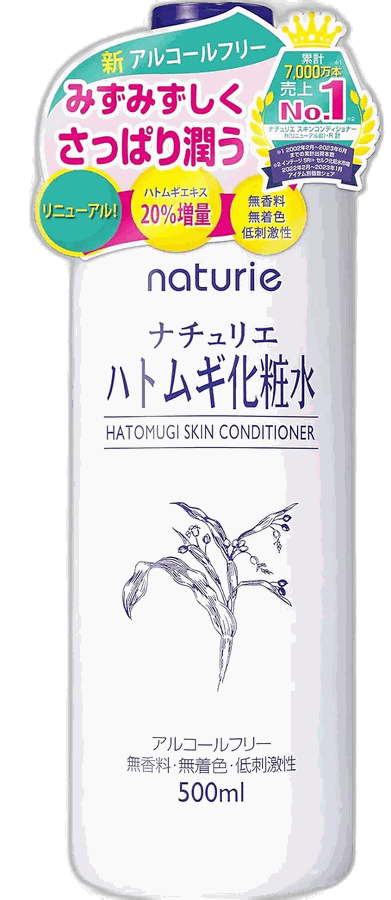
- The catch: $60 to $90 for 330ml, while budget hatomugi toners like Naturie cost under $15 for 500ml.
- Worth it if you have reactive, redness prone skin and want a refined, soothing toner with counter level formulation. Skip if a basic hatomugi toner already works for you.
- Famous for the “lotion before emulsion” method: applied with a cotton pad right after cleansing, before any serum or moisturizer.
Albion Skin Conditioner Essential has been in continuous production since 1974. Over 47 million bottles sold. Over fifty years of the same core formula, refined but never reinvented. In Japanese beauty, where products cycle through reformulations constantly, that kind of longevity says something.
But longevity alone doesn’t justify the price tag. A 330ml bottle runs around $60 to $90 depending on the retailer, while the budget hatomugi toners it shares a key ingredient with cost under $15 for 500ml. So the real question is: what are you paying for, and is the difference worth it?
This review breaks down the formula, explains the unusual application method Albion is famous for, and compares it honestly against the affordable alternatives.
Albion
2 retailersSee retailers →
What Is Albion Skin Conditioner?
Albion Skin Conditioner Essential N is a medicated lotion (toner) built around Job’s Tears extract, known in Japanese as hatomugi. If you’ve used Naturie Hatomugi Skin Conditioner or Cezanne Skin Conditioner High Moist, you already know the ingredient. Albion just treats it very differently.
The product is classified as a quasi drug (medicated cosmetic) in Japan, which means it contains regulated active ingredients at concentrations tested for specific skin benefits. In this case, the active is dipotassium glycyrrhizate, derived from licorice root. This ingredient is recognized for its soothing and anti inflammatory properties, and is commonly used in Japanese quasi-drug formulations for its calming effects.
Albion is a subsidiary of Kose Corporation (one of Japan’s Big 3 cosmetics companies alongside Shiseido and Kao, covered in our Kose brand guide) but operates as a premium, counter service brand. You won’t find Albion at Japanese drugstores. In Japan, it’s sold exclusively through department store beauty counters with one on one consultation, which is part of why it carries a luxury reputation.
Key Ingredients
Job’s Tears (Kita no Hato variety): This is the star. Albion uses a specific organic variety called Kita no Hato, cultivated in Hokkaido’s cold climate. The harsh growing conditions reportedly concentrate the plant’s beneficial compounds. Albion developed a proprietary extraction process to maximize the potency of this specific cultivar, which is what sets it apart from generic hatomugi extract found in budget toners.
Dipotassium Glycyrrhizate: The regulated active ingredient. Derived from licorice root, it has well documented anti inflammatory and skin calming properties. It’s one of the most widely used anti-inflammatory actives in Japanese medicated cosmetics.
Witch Hazel Extract: Provides mild astringent benefits. Helps tighten pores and control excess oil without the harshness of alcohol based astringents.
Horse Chestnut Extract: Contains saponins and flavonoid glycosides. Used for its skin conditioning properties and to support overall skin tone.
The texture is lighter than you’d expect from a toner at this price point. It’s watery with a subtle herbal scent, almost medicinal, and absorbs quickly. There’s no heavy viscosity like the thick Hada Labo lotions.
The Albion Method: Why You Apply Emulsion Before Toner
This is where Albion gets genuinely interesting, and where most English language skincare content gets it wrong or just skips over it entirely.
Standard Japanese skincare order goes: cleanser → toner (lotion) → serum → emulsion/moisturizer. Albion reverses the first two moisturizing steps: cleanser → emulsion → toner (Skin Conditioner). They call this the Albion Method.
The logic: applying emulsion first softens and conditions the skin, creating a more receptive surface for the toner’s active ingredients to penetrate. Think of it as prepping the canvas before applying the paint. The emulsion loosens dead surface cells and provides a base layer of moisture, while the Skin Conditioner then delivers its soothing, clarifying actives into skin that’s already been primed to receive them.
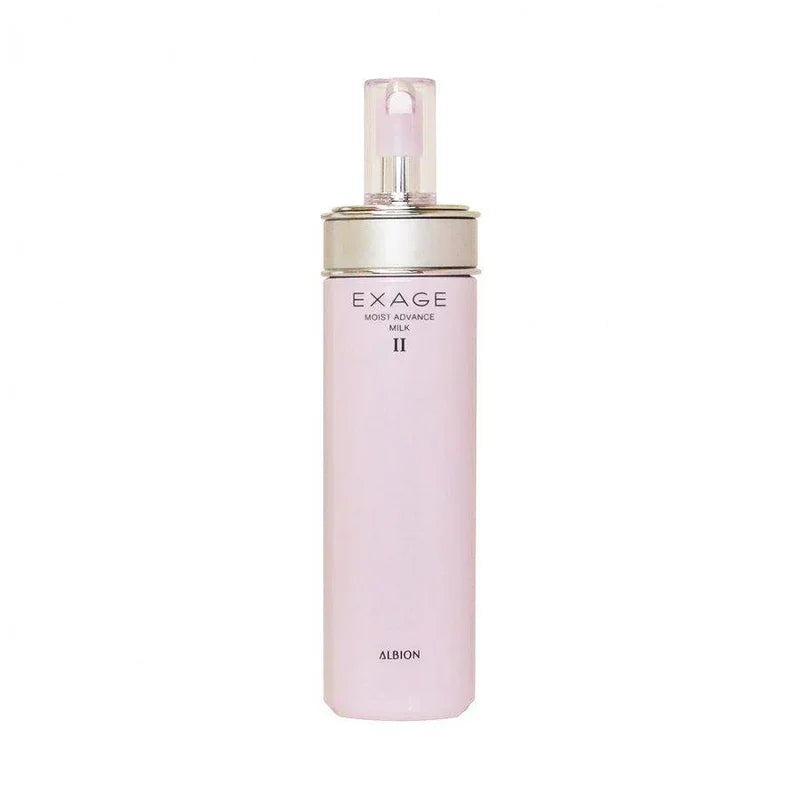
Albion’s companion emulsion for this method is the Exage Moist Advance Milk II Emulsion for Normal Skin, available in three types by skin type (I for oily, II for normal, III for dry). This is meant to be the first product you apply after cleansing. For more on why Japanese skincare has so many confusing product types like “emulsion” and “milk,” see our product types explainer.
Albion
0 retailersSee retailers →
Does the method make a noticeable difference compared to applying the Skin Conditioner first on bare skin? Opinions vary. Some users on r/AsianBeauty and r/SkincareAddictionLux report that using the emulsion first method makes the Skin Conditioner feel more effective, with better absorption and a more noticeable calming effect. Others use the Skin Conditioner as a regular toner (after cleansing, before moisturizer) and are happy with the results.
If you already own the Skin Conditioner but not the Albion emulsion, try it both ways. You don’t need to buy the full Albion system to enjoy the toner. But if you’re all in on the Albion philosophy, the emulsion first approach is worth experimenting with.
How to Use Albion Skin Conditioner
Standard method (without Albion emulsion):
- Cleanse your face
- Soak a cotton pad with Skin Conditioner (Albion recommends cotton application over hand patting)
- Gently press and swipe across the entire face, including jawline and neck
- Follow with your serum and moisturizer
Albion Method (with Albion emulsion):
- Cleanse your face
- Apply Albion emulsion (3 pumps, spread by hand or cotton)
- Soak a cotton pad with Skin Conditioner
- Gently press and swipe across the entire face
- Follow with serum if desired
As a lotion mask (cotton pack method):
Albion also sells a dedicated Skin Conditioner Essential Paper Mask designed for this purpose, but you can use regular cotton pads. Soak several cotton pads with Skin Conditioner, separate the layers, and press them onto your face for 3 to 5 minutes. This is the traditional Japanese lotion mask technique covered in our guide to using Japanese lotion, and the Skin Conditioner is one of the most popular products to use for it.
Who It Works Best For
Combination to oily skin with congestion: The witch hazel and astringent properties make this a particularly good fit if your main concern is large pores, excess sebum, or occasional breakouts. The quasi drug formulation targets pimple prevention specifically.
Skin that needs calming: The dipotassium glycyrrhizate is a legitimate anti inflammatory. If you have redness, irritation from overuse of actives, or mild sensitization, this can help settle things down.
Hot, humid climates: This product was formulated in Japan for Japanese summers. The lightweight, refreshing texture works well in humidity where heavier toners would feel suffocating.
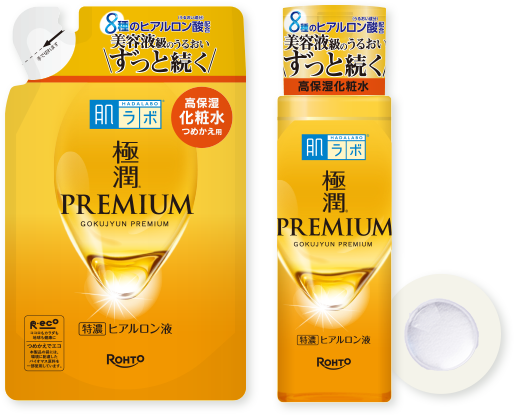
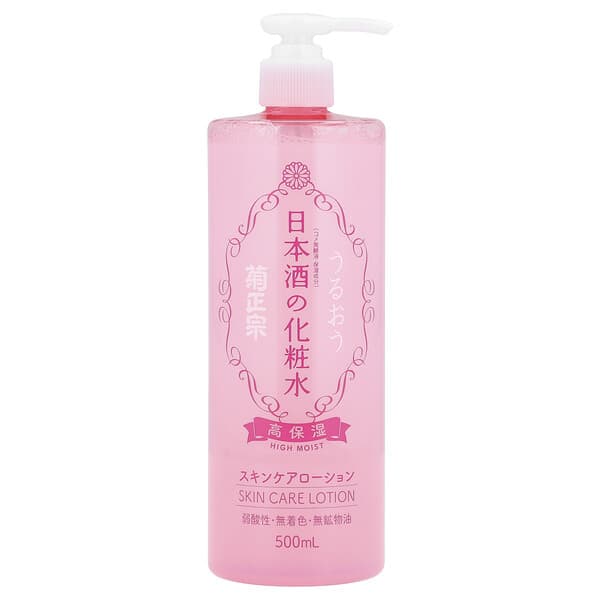
Who it’s less ideal for: Very dry skin types looking for intense hydration. The Skin Conditioner is more about clarifying and calming than deep moisturizing. If hydration is your primary concern, Hada Labo Gokujyun Premium Lotion or Kikumasamune Sake Lotion High Moist will deliver more on that front at a fraction of the price. Our best Japanese toner roundup covers the full range of options by skin type.
Albion Skin Conditioner vs Naturie Hatomugi: Luxury vs Budget
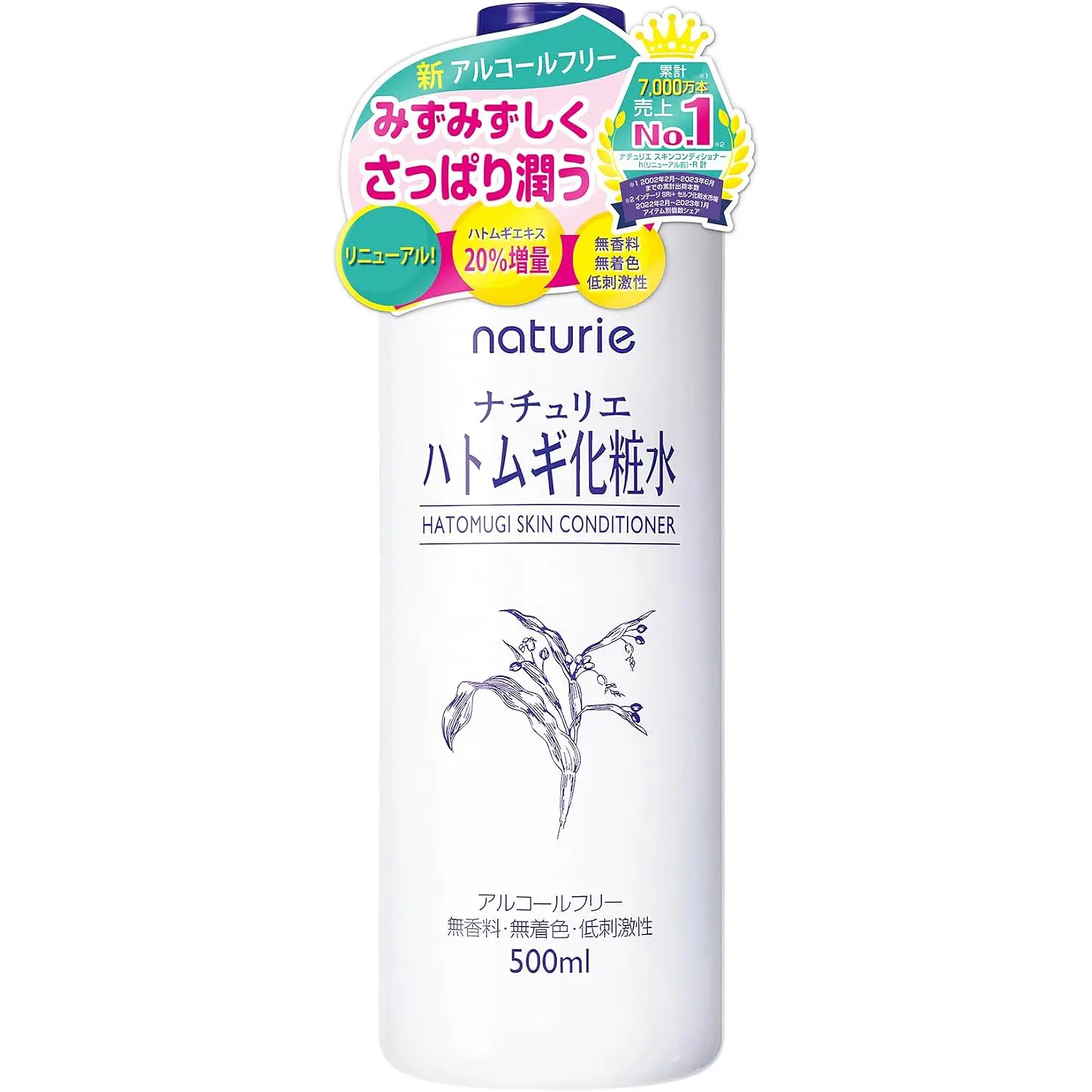
Both products feature Job’s Tears (hatomugi) as a key ingredient. Both are watery toners designed for conditioning the skin. The overlap is obvious, and the price gap is enormous. A full breakdown of the budget option is in our Naturie Hatomugi guide, but here’s the comparison:
The Albion difference:
- Uses the specific Kita no Hato variety of Job’s Tears, organically grown in Hokkaido. Naturie uses generic hatomugi extract without specifying the cultivar.
- Contains dipotassium glycyrrhizate as a regulated active ingredient (quasi drug status). Naturie is a regular cosmetic, not a quasi drug.
- Includes witch hazel and horse chestnut extracts for additional astringent and conditioning benefits.
- More complex formula overall with targeted skin benefits (pore tightening, sebum control, anti inflammation).
Where Naturie wins:
- Price. The Naturie 500ml bottle costs under $15. The Albion 330ml costs $60 to $90. You’re paying roughly 6 to 9 times more per milliliter.
- Simplicity. Naturie’s minimal ingredient list (mainly water and hatomugi extract) means fewer chances of sensitivity.
- Volume. At 500ml, you can be generous with it. Use it for lotion masks, body application, whatever you want. You’ll think twice about doing that with a $90 bottle.
The honest verdict: If your skin responds well to hatomugi and you mainly want lightweight hydration, Naturie does the job. If you have specific concerns like congestion, excess oil, or redness, and you want a formula with regulated active ingredients targeting those issues, the Albion has genuine advantages beyond just being expensive.
How It Compares to Other Luxury Toners
The Albion Skin Conditioner occupies a specific niche: luxury Japanese toner with a clarifying and calming focus. Here’s how it stacks up against other premium options:
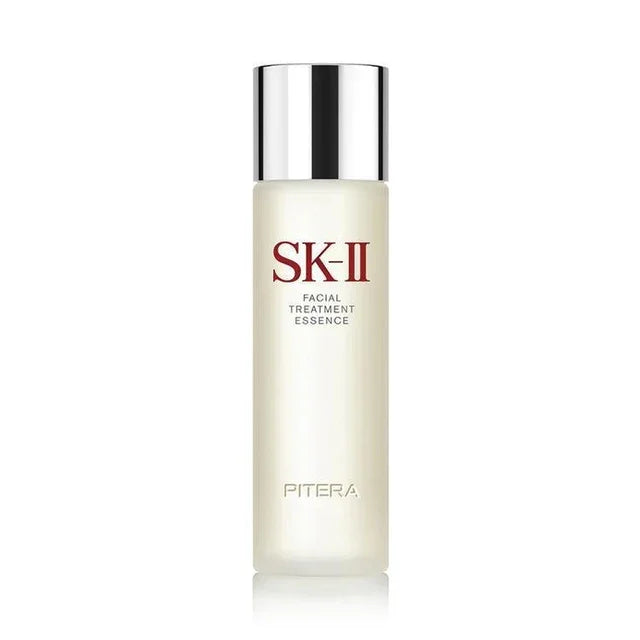
SK-II Facial Treatment Essence (Pitera Essence): Completely different approach. SK-II’s hero product centers on Pitera (galactomyces ferment filtrate) for overall skin transformation: texture, radiance, firmness. It’s thinner and designed for layering. If Albion Skin Conditioner is about calming and clarifying, SK-II FTE is about broad spectrum skin renewal. Price is comparable (SK-II runs higher per ml). Choose based on what your skin needs more: calming/pore care (Albion) or radiance/texture (SK-II).
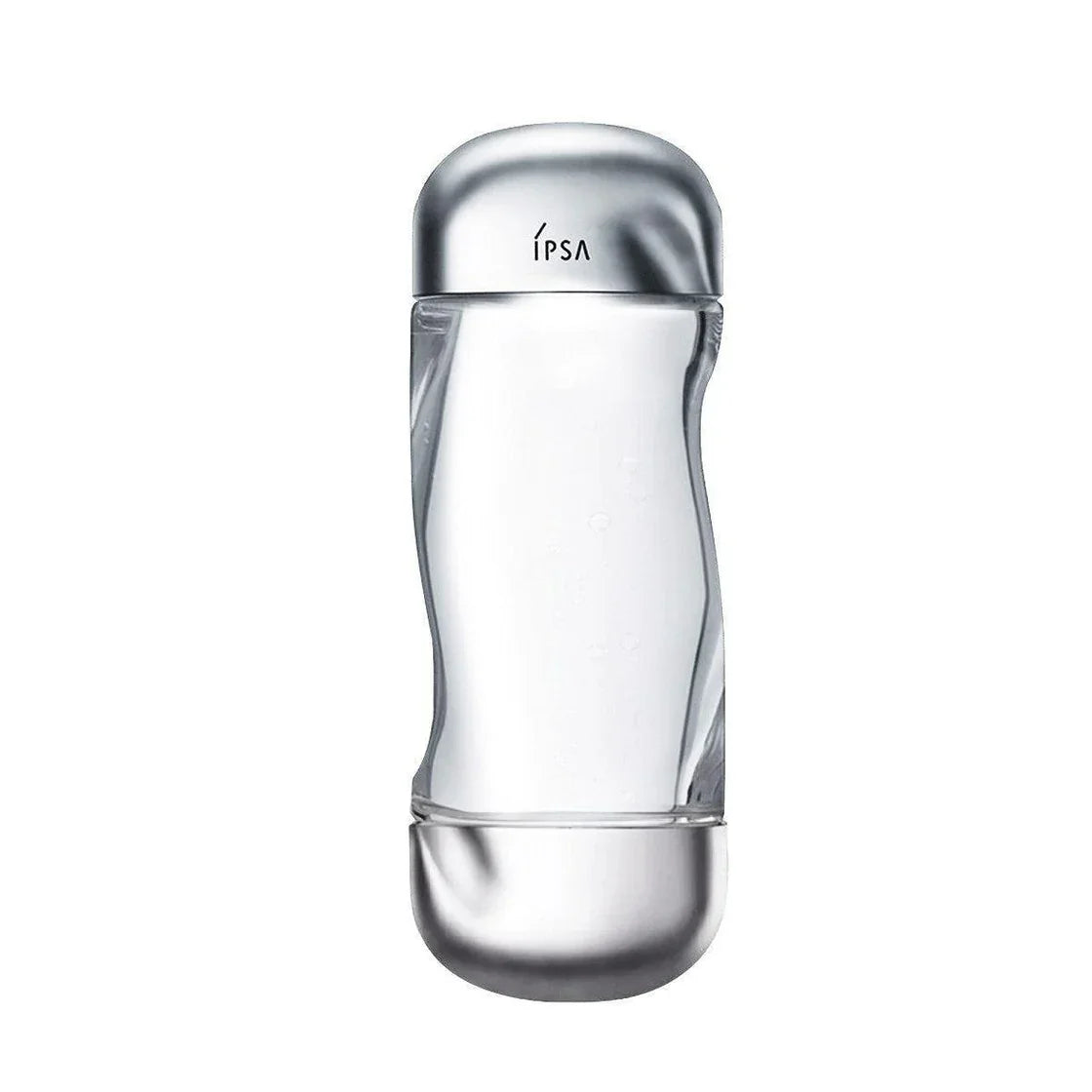
IPSA Time Reset Aqua Moisture Retaining Lotion: IPSA’s approach focuses on moisture retention and keeping the skin’s water balance optimized. It’s more hydration focused than the Albion, which leans astringent and clarifying. If your concern is dehydration, IPSA’s philosophy might serve you better. If it’s congestion and oiliness, Albion has the edge.
Decorte AQ Lotion: Another Kose subsidiary brand at the luxury tier. Decorte AQ targets anti aging with a richer, more emollient approach. Completely different use case from the lightweight, clarifying Skin Conditioner.
Is It Worth the Price?
This is the question that matters, and the answer depends entirely on what you value.
The case for yes: You’re buying a quasi drug with a regulated active ingredient, 50 years of refined formulation, and a specific cultivar of Job’s Tears processed with proprietary extraction methods. The product genuinely works for its intended purpose: calming inflammation, controlling excess sebum, and clarifying skin tone. Albion cites its own consumer studies showing high satisfaction rates for skin clarity and pimple reduction, though independent third-party data is limited. Brand-conducted studies should be taken with appropriate skepticism.
The case for no: Hatomugi extract, even a premium version of it, is not a rare or expensive ingredient. The price reflects Albion’s luxury positioning, department store distribution model, and brand heritage more than it reflects ingredient costs. You can get effective hatomugi toners for a fraction of the price. Naturie Hatomugi Skin Conditioner and Cezanne Skin Conditioner High Moist both use hatomugi as a key ingredient and cost under $15.
The middle ground: Try the 110ml size first. Several retailers carry the smaller bottle, which lets you test whether your skin responds notably better to the Albion formula compared to budget hatomugi toners before committing to the full 330ml.
Where to Buy
Albion Skin Conditioner Essential Toner is available through US based specialty retailers. Check our product page for current availability and pricing across verified retailers.
Avoid unverified third party Amazon sellers for this product. Albion is a counter exclusive brand in Japan, which means the distribution chain is tighter than drugstore brands. Stick with authorized retailers or well established Japanese beauty specialty shops.
FAQ
Can I use Albion Skin Conditioner without the Albion emulsion?
Yes. The emulsion first method is Albion’s recommended approach, but the Skin Conditioner works as a standalone toner applied directly after cleansing. Many users use it this way and get good results. The emulsion first step is an enhancement, not a requirement.
How long does a bottle last?
At 330ml with daily cotton pad application (morning and evening), most users report a bottle lasting 2 to 3 months. Using it for lotion masks will shorten that considerably. The 110ml travel size lasts roughly 3 to 4 weeks with daily use.
Is Albion Skin Conditioner good for acne?
It’s classified as a quasi drug in Japan with pimple prevention as one of its approved benefits. The dipotassium glycyrrhizate (licorice root derivative) and witch hazel provide anti inflammatory and mild astringent effects. It can help with mild congestion and occasional breakouts, but it’s not a substitute for dedicated acne treatments like benzoyl peroxide or prescription retinoids. Think of it as a supporting player, not a starring one.
What’s the difference between the “N” and older versions?
The current version is called Skin Conditioner Essential N. The “N” indicates the latest reformulation. Albion periodically refines the formula while keeping the core concept and key ingredients the same. The differences between versions are subtle, mostly improvements to texture and extraction methods rather than major formula changes.
How does it compare to Korean skin toners?
Korean toners tend to focus on hydration layering (think watery, humectant heavy formulas designed for the 7 skin method). Albion Skin Conditioner is more treatment focused: clarifying, calming, and balancing rather than purely hydrating. If your main goal is stacking hydration layers, a Korean toner or Hada Labo Gokujyun Premium Lotion is better suited. If you want a toner that addresses specific skin concerns like redness, oiliness, or pore congestion, the Albion takes a different approach that might serve you better.