Japanese beauty explained
Naturie Hatomugi vs Kikumasamune: Which Budget Japanese Toner Is Better?
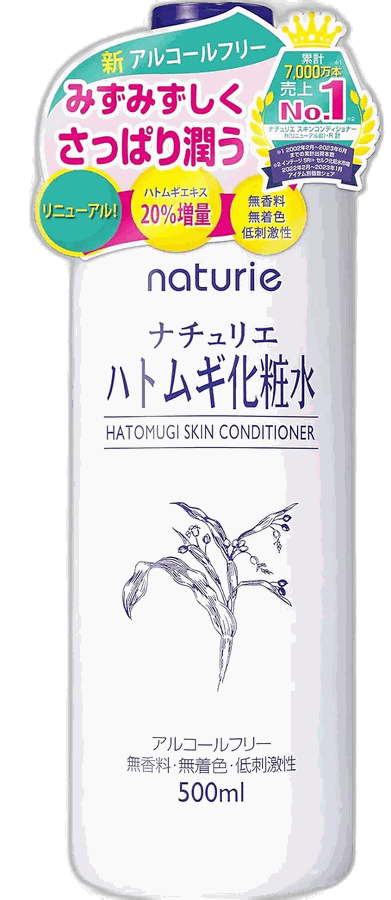
These two toners show up in every budget Japanese skincare conversation. Both come in oversized 500ml bottles. Both cost under $15. Both have been r/AsianBeauty staples for years. But they solve different problems for different skin types, and picking the wrong one can mean months of a product that just sits there doing nothing for you.
Here’s how to figure out which one belongs in your routine.
Quick Verdict
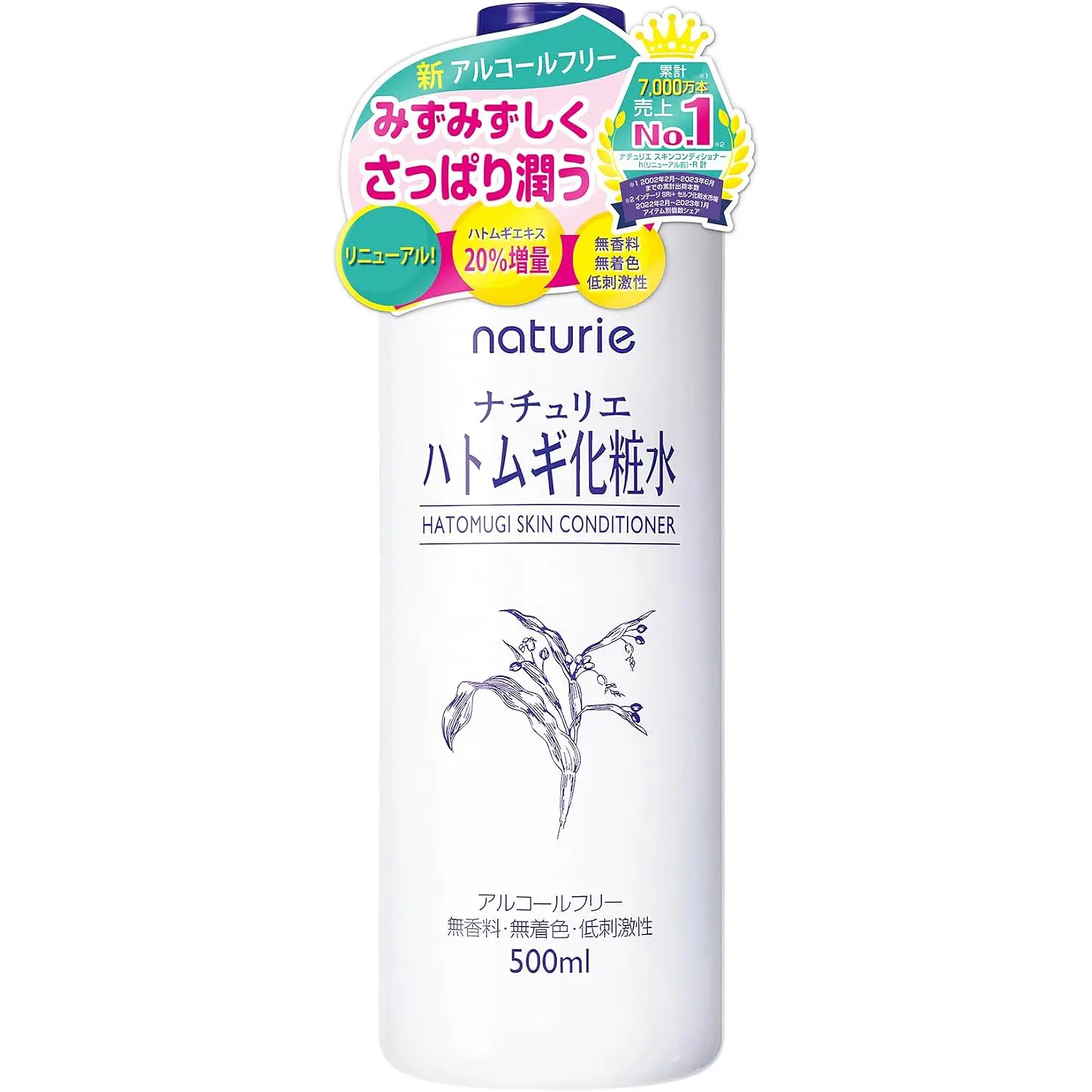
Naturie Hatomugi Skin Conditioner is the pick for oily, combo, or sensitive skin. It’s lightweight, fragrance free, and does one thing well: basic hydration without adding anything heavy.
Kiku-Masamune Sake Brewing Skin Care Lotion High Moist is the pick for dry or dehydrated skin. It’s richer, packs ceramides and amino acids, and leaves skin noticeably more moisturized after one layer.
If you’re somewhere in between or unsure, Naturie is the safer starting point. It’s harder to go wrong with a minimal formula.

Brand Backgrounds
Naturie is a budget skincare line by Imju (the company behind Dejavu mascaras). The brand is built around hatomugi, also called Job’s Tears or Coix seed, a grain used in traditional East Asian medicine. The line is intentionally minimal: just a handful of products, all centered on hatomugi extract as the hero ingredient.
Kikumasamune is a sake brewery that’s been operating since 1659. Yes, an actual sake brewery. Their skincare line uses the same rice fermentation process as their sake, which produces a filtrate naturally rich in amino acids and organic acids. They’ve expanded well beyond a single toner into a full skincare range with cleansers, emulsions, creams, and more.
Texture and Feel
Naturie is water. Not water like, actual water. It has almost no viscosity, pours freely, and absorbs within seconds. You can layer it three or four times and your skin still won’t feel tacky. This makes it popular for the “seven skin method” and for layering under heavier products.
Kikumasamune High Moist is slightly thicker. Not quite milky, but noticeably more substantial than Naturie. It takes a few extra seconds to absorb and leaves a faint dewy film on the skin. One layer of Kiku feels roughly equivalent to two or three layers of Naturie in terms of hydration.
The fragrance is worth mentioning: Naturie is fragrance free. Kikumasamune has a sake derived scent that some people love and others find off putting. It fades quickly, but if you’re sensitive to fragrance in skincare, Naturie is the safer choice. The Kiku fragrance doesn’t come from added perfume ingredients; it’s partly from the rice ferment filtrate itself, though the formula does list fragrance as an ingredient.
Key Ingredients Compared
This is where these two toners diverge.
Naturie Hatomugi Skin Conditioner has a short ingredient list: water, DPG, butylene glycol, glycerin, glycyrrhizic acid 2K (a soothing agent from licorice root), and Coix Lacryma Jobi Ma Yuen seed extract (hatomugi). That’s essentially it for the active ingredients. The formula also contains ethanol, though it’s listed well after the main humectants, suggesting a relatively low concentration.
Kikumasamune Sake Lotion High Moist packs significantly more functional ingredients: rice ferment filtrate (sake), three amino acids (glutamic acid, arginine, leucine), two ceramides (ceramide 3 and ceramide 6 II), placental protein, arbutin (a brightening agent), and dipotassium glycyrrhizate (the same soothing licorice derivative as Naturie). It’s also alcohol free.
In plain terms: Naturie is a hydration vehicle with one botanical extract. Kikumasamune is a hydration vehicle loaded with barrier support ingredients and brightening agents. The ceramides alone make Kiku a meaningfully different product, since ceramides help reinforce the skin’s moisture barrier.
Which Skin Type Should Pick Which
Oily skin: Naturie. The lightweight texture won’t add shine or feel heavy, and the minimal formula means fewer potential triggers for breakouts. Layer it two to three times for buildable hydration.
Dry skin: Kikumasamune High Moist. The ceramides and richer texture address dryness rather than just temporarily hydrating the surface. You may still need a moisturizer on top, but your skin has a much better foundation.
Combo skin: Naturie in summer, Kikumasamune in winter is a common approach. Or use Naturie on your T zone and Kiku on drier areas if you want to get specific.
Dehydrated skin (oily but tight): This is where it gets interesting. Dehydrated oily skin often responds better to Kikumasamune because the ceramides help repair the compromised barrier that’s causing the dehydration. Naturie hydrates on the surface but doesn’t offer the same barrier support. If your skin is oily but constantly tight or flaky, try Kiku first.
Sensitive skin: Naturie is the safer option. Fewer ingredients means fewer potential irritants, and the fragrance free formula reduces risk. That said, some people with sensitive skin react to the ethanol in Naturie. Kikumasamune’s fragrance is a known trigger for some users, and there are reports of it causing breakouts (including cystic acne in rare cases). Patch test either way.
Acne prone skin: Naturie. The lighter formula and shorter ingredient list give it a lower chance of clogging pores. Kikumasamune’s richer formulation and added ingredients (particularly placental protein) are occasionally reported as breakout triggers on r/AsianBeauty.
How to Layer Each Toner
Naturie works best when layered. Its watery texture is designed for multiple applications:
Pour a generous amount into your palms, press into skin, and repeat two to four times. Because it absorbs so fast, layering adds cumulative hydration without heaviness. Follow with your serum and moisturizer as usual. It also works well as a base for sheet mask DIY: soak compressed sheet masks in Naturie for an easy, affordable mask.
Kikumasamune High Moist is effective in one to two layers. Pour into palms and press into skin, then wait a few seconds before applying a second layer if needed. Because it’s more substantial, you don’t need to layer it as aggressively as Naturie. Follow with a lighter moisturizer or sleeping pack. In warmer months, one layer of Kiku plus a light gel moisturizer might be all you need.
Both toners work for the body too. The 500ml size makes them practical for applying to arms, legs, and chest after a shower. Kikumasamune is especially popular for this since the ceramides benefit dry body skin.
Which Kikumasamune Variant Should You Get?
Kikumasamune makes several versions of the sake lotion, which can be confusing. Here’s the breakdown:
Kiku-Masamune Sake Brewing Skin Care Lotion High Moist (pink bottle) is the original cult favorite and the one most people mean when they say “Kiku toner.” It has ceramides, placental protein, arbutin, and amino acids. This is the default recommendation for dry and dehydrated skin.
Kiku-Masamune Sake Lotion Bright Moist (orange/yellow bottle) swaps ceramides for a lighter formula and leans harder into brightening. It still contains placental extract and arbutin, but uses a different amino acid blend (isoleucine instead of leucine). If your primary concern is dullness rather than dryness, Bright Moist is the better pick.
Kiku-Masamune Sake Lotion Clear Moist (blue bottle) is the newest addition. It has a noticeably thicker, more gel like texture compared to the other two. Community reception is mixed; some people love the richer feel, while others find it too heavy for a toner.
Kiku-Masamune Sake Lotion Glossy Moist is another variant that emphasizes a luminous, dewy finish.
For most people, High Moist is the starting point. Switch to Bright Moist if you want less richness with more brightening focus.

The Third Option: Cezanne
If you’ve been researching budget Japanese toners, you’ve probably also seen Cezanne Skin Conditioner High Moist recommended alongside these two. Cezanne sits between Naturie and Kikumasamune in both texture and ingredient complexity. It contains ceramides (like Kiku) but in a lighter formula (closer to Naturie). It’s fragrance free and alcohol free, which makes it a strong pick for sensitive skin types who want barrier support without Kiku’s fragrance or Naturie’s ethanol.
Cezanne
2 retailersSee retailers →
If neither Naturie nor Kikumasamune feels like the right fit, Cezanne is worth a look. There’s also Hada Labo Gokujun Hyaluronic Lotion Light, which takes a completely different approach with hyaluronic acid. For a deeper comparison, see Kikumasamune vs Hada Labo.
Companion Products Worth Knowing
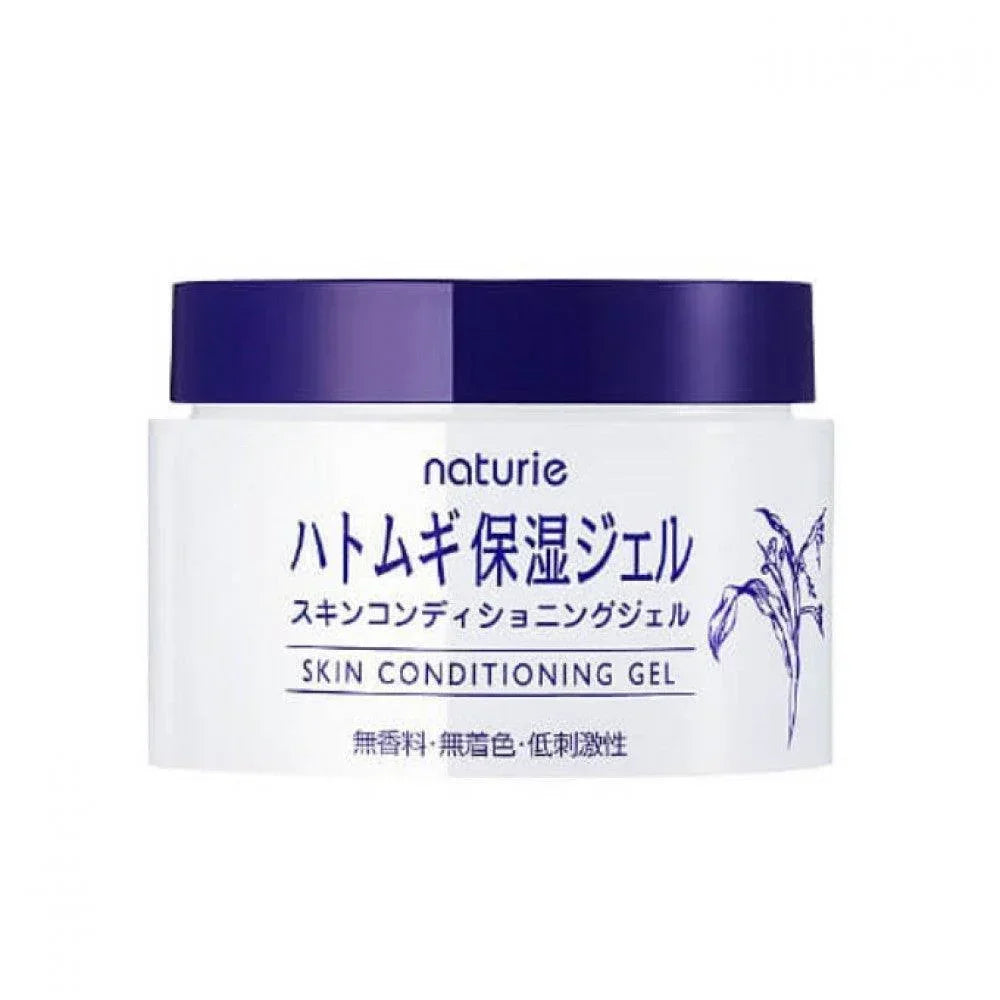
Naturie Hatomugi Skin Conditioning Gel is Naturie’s moisturizer. It’s a lightweight gel that pairs naturally with the toner for an all hatomugi routine. Good for oily skin or anyone who finds cream moisturizers too heavy.
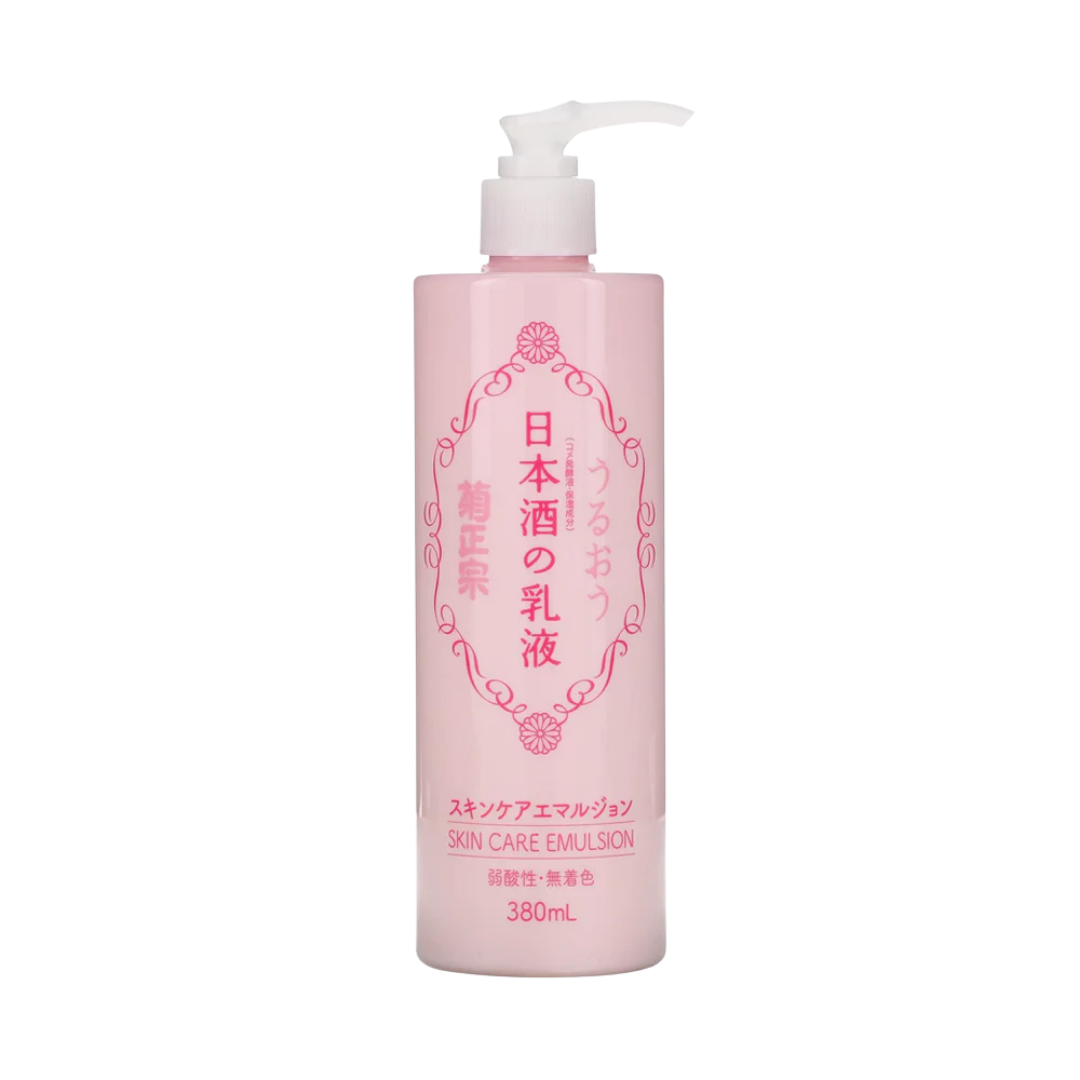
Kikumasamune also makes a Kiku-Masamune Japanese Sake Emulsion that works as a lightweight moisturizer after the toner, plus a Kiku-Masamune Sake Moisturizing Cream for a richer finish. The full range is covered in Kikumasamune Sake Lotion: Review and How to Use.

Naturie also has a Skin Conditioning Milk for shoppers who prefer an emulsion step rather than a gel moisturizer. It is a distinct format, so compare the current product page instead of treating it as interchangeable with the toner or gel.

Naturie
1 retailerSee retailers →
FAQ
Is Naturie Hatomugi the same as the hatomugi lotion sold at Donki?
Not necessarily. Several brands make hatomugi based toners, including Cosparade (often sold at Don Quijote stores). Naturie is made by Imju and is the most widely recognized version outside Japan. Other hatomugi lotions have different formulations, so check the brand name on the bottle.
Can I use both Naturie and Kikumasamune together?
Yes, and some people do. Layer Naturie first (it’s lighter), then follow with Kikumasamune for extra hydration. This is overkill for most skin types, but can work well for very dry or dehydrated skin in winter.
Why does Kikumasamune smell like that?
The distinctive scent comes from the rice ferment filtrate (sake) in the formula, combined with added fragrance. Most people describe it as yeasty, fermented, or banana like. It fades within a few minutes of application. If the smell bothers you, the Bright Moist version has a milder scent.
Are these toners safe for fungal acne?
Naturie is generally considered safer for fungal acne prone skin due to its minimal ingredient list, though it’s always best to cross check the full ingredient list with a fungal acne trigger database. Kikumasamune contains several ingredients (including glycerin and fatty acids associated with ceramides) that some fungal acne resources flag as potential concerns.
How long does a 500ml bottle last?
Both bottles typically last two to four months with daily facial use. If you’re using them for body application as well, expect about four to six weeks. At under $15 per bottle, the cost per use is essentially negligible either way.