Japanese beauty explained
What is Bihaku? Japan's Brightening Philosophy Explained
Quick Takeaway
- Bihaku (美白) means “beautiful white” and refers to Japan’s approach to brightening: preventing dark spots and evening out skin tone, not bleaching or changing your natural color.
- Japan regulates brightening claims through a quasi drug (医薬部外品) system, meaning products must contain government approved active ingredients at proven concentrations to make brightening claims.
- Key approved actives include tranexamic acid, arbutin, kojic acid, vitamin C derivatives, and Shiseido’s proprietary 4MSK, each targeting melanin production through different mechanisms.
- Bihaku products range from drugstore to luxury, from the ¥1,000 Melano CC Intensive Measures Essence to the premium POLA White Shot SXS N, with effective options at every price point.
- The philosophy centers on prevention, not correction. Japanese brightening routines prioritize consistent daily use over aggressive spot treatments.
If you want specific product picks, skip to Best Bihaku Products You Can Buy Outside Japan.
Walk into any drugstore in Japan and you’ll notice something immediately: an entire section of the skincare aisle is labeled 美白 (bihaku). It’s on lotions, serums, masks, even body products. Every major Japanese brand, from Hada Labo to Shiseido, has a dedicated bihaku line.
But bihaku doesn’t translate neatly into English. It’s often rendered as “whitening,” which sounds alarming to Western ears and conjures up images of skin bleaching. That translation misses the point entirely. Bihaku is closer to “brightening” in practice, but even that word doesn’t capture the full picture, because bihaku isn’t just a product category. It’s a philosophy about how skin should look and how to get there.
This guide explains what bihaku means in practice, where the concept comes from, how Japan’s regulatory system makes bihaku products different from Western brightening products, and which specific products are worth trying.
What Does Bihaku Mean?
Bihaku (美白) translates to “beautiful white” or “beautiful brightness.” The term has been used in Japanese beauty since at least the Heian period (794 to 1185), when pale, luminous skin was considered a mark of nobility and refinement. Court women famously applied oshiroi (白粉), a white face powder, to achieve an idealized complexion.
But modern bihaku has nothing to do with face powder or changing your natural skin tone. In today’s skincare context, bihaku refers specifically to:
- Preventing new dark spots (shimi, シミ) from forming
- Fading existing hyperpigmentation and post inflammatory marks
- Evening out overall skin tone for a more uniform complexion
- Restoring brightness that’s been dulled by sun damage, aging, or environmental stress
Think of bihaku as the opposite of tanning culture. Where Western beauty trends have historically oscillated between tan and pale, Japanese beauty culture has consistently valued clarity and evenness of skin tone. The goal isn’t to be lighter than your natural color. It’s to maintain your skin’s clearest, most even version of itself.
The History of Bihaku in Japanese Skincare
The modern bihaku boom started in the late 1980s. While pale skin had long been valued in Japanese aesthetics, the commercialization of bihaku as a skincare category is relatively recent.
1980s to 1990s: The Foundation Japan’s cosmetics giants began investing heavily in melanin research. Shiseido, POLA, and KOSE all launched dedicated brightening research programs during this period. The Japanese government also formalized the quasi drug (医薬部外品) regulatory category, which gave brands a framework to make clinically backed brightening claims (more on this below).
2000s: The Boom Bihaku became one of the largest skincare segments in Japan. Shiseido launched the HAKU line in 2005, which became one of Japan’s bestselling brightening serums. At the drugstore level, Rohto’s Melano CC Intensive Measures Essence and Hada Labo’s Shirojyun line made effective bihaku products accessible at budget prices.
2010s to Present: Refinement and Global Awareness The focus shifted from simple melanin suppression to multi mechanism approaches. Newer products target melanin at multiple points in its production cycle. The global Asian beauty wave also brought more attention to bihaku concepts outside Japan, though the cultural context is often lost in translation.
Japan’s Quasi Drug System: Why Bihaku Products Are Different
Here’s where bihaku gets genuinely interesting from a regulatory perspective: Japan has a unique product classification called 医薬部外品 (iyaku bugaihin), or “quasi drugs.”
In the US, a product is either a drug (regulated by the FDA) or a cosmetic (with limited efficacy oversight). There’s no middle ground. In Japan, quasi drugs occupy a space between cosmetics and pharmaceuticals. A product classified as a quasi drug can make specific efficacy claims, like “inhibits melanin production” or “prevents dark spots,” because it contains active ingredients at concentrations that have been reviewed and approved by Japan’s Ministry of Health, Labour and Welfare (MHLW).
This means that when a Japanese product says “bihaku” on the label and carries the 医薬部外品 designation, it’s not just marketing. It contains a specific approved active ingredient at a concentration that has been demonstrated to affect melanin production.
Approved Brightening Active Ingredients
Japan’s MHLW has approved a specific list of active ingredients for quasi drug brightening claims. Each was submitted by a pharmaceutical or cosmetics company, backed by efficacy data, and approved for a defined mechanism of action.
The most relevant ones for skincare:
Tranexamic Acid (トラネキサム酸) Originally used in medicine to reduce bleeding and inflammation, tranexamic acid was approved for brightening use because it inhibits plasmin activity, which reduces the signals that trigger melanocyte activation. It’s particularly effective for melasma and hormone related pigmentation. Found in Hada Labo Shirojyun Premium Whitening Lotion, the Transino line, and Shiseido HAKU Melanofocus IV.
Arbutin (アルブチン) A naturally occurring compound found in bearberry plants, arbutin inhibits the tyrosinase enzyme that’s essential for melanin production. It was one of the first quasi drug brightening actives approved (1989) and remains widely used. The Kiku-Masamune Sake Brewing Skin Care Lotion High Moist contains arbutin alongside sake ferment filtrate.
Kojic Acid (コウジ酸) Derived from the koji mold used in sake, soy sauce, and miso fermentation, kojic acid is one of the most distinctly Japanese brightening ingredients. It chelates copper ions required by tyrosinase, effectively disabling the enzyme. ONE BY KOSE uses kojic acid as the active in their ONE BY KOSE Melanoshot White D.
Vitamin C Derivatives (ビタミンC誘導体) Pure vitamin C (ascorbic acid) is unstable and irritating at effective concentrations. Japanese pharmaceutical companies developed stabilized derivatives, including ascorbyl glucoside, ascorbyl tetraisopalmitate, and 3-O-ethyl ascorbic acid, that maintain efficacy while being gentle enough for daily use. The Melano CC Intensive Measures Essence uses ascorbic acid directly (stabilized through its tube packaging design), while Rohto Melano CC Vitamin C Premium Essence combines it with other derivatives.
4MSK (4 Methoxysalicylic Acid Potassium Salt) Developed and patented by Shiseido, 4MSK both inhibits tyrosinase and accelerates the disposal of melanin that’s already been produced. It’s the signature active in the HAKU line, where it works alongside tranexamic acid for a dual action approach in Shiseido HAKU Melanofocus IV.
Other approved actives include linoleic acid, placenta extract, magnesium ascorbyl phosphate, nicotinamide (niacinamide), and chamomile extract (bisabolol). Japan currently has around 20 MHLW approved brightening actives, each tied to a specific company’s application and data submission.
How Bihaku Differs from Western Brightening
The differences go beyond ingredients. Bihaku represents a fundamentally different approach to managing skin tone.
Prevention vs. Correction Western brightening products tend to focus on treating existing dark spots. You get a spot, you buy a spot corrector. Bihaku takes the opposite approach: you use brightening products daily, across your entire routine, to prevent spots from forming in the first place. This is why bihaku products come in every format (lotions, serums, creams, masks, UV protection) rather than just concentrated spot treatments.
Regulatory Backbone In the US, a “brightening” serum is just a cosmetic. The brand can call it brightening, but there’s no regulatory body confirming that it affects pigmentation at the concentration used. (The EU has stricter cosmetics regulation than the US, but still doesn’t have an equivalent to Japan’s quasi drug category for brightening claims.) In Japan, quasi drug bihaku products have undergone a formal review. This doesn’t mean they’re drugs, but it does mean they sit on firmer regulatory ground than Western brightening cosmetics.
Whole Routine Integration A Western approach might be: cleanser, moisturizer, and a vitamin C serum for spots. A bihaku approach layers brightening actives across multiple steps, using a brightening lotion (toner), brightening serum, brightening moisturizer, and brightening UV protection. The idea is that consistent, distributed exposure to brightening actives throughout the day is more effective than one concentrated treatment.
Gentleness Over Intensity Japanese bihaku products tend to use actives at moderate concentrations with a focus on long term consistency. Western brightening products sometimes favor high percentage formulations (20% vitamin C, for example) that can cause irritation. The bihaku philosophy favors steady, sustainable use over aggressive short term results.
Best Bihaku Products You Can Buy Outside Japan
These products are organized from drugstore to luxury. All are available through retailers that ship internationally or carry stock outside Japan.
Drugstore Bihaku
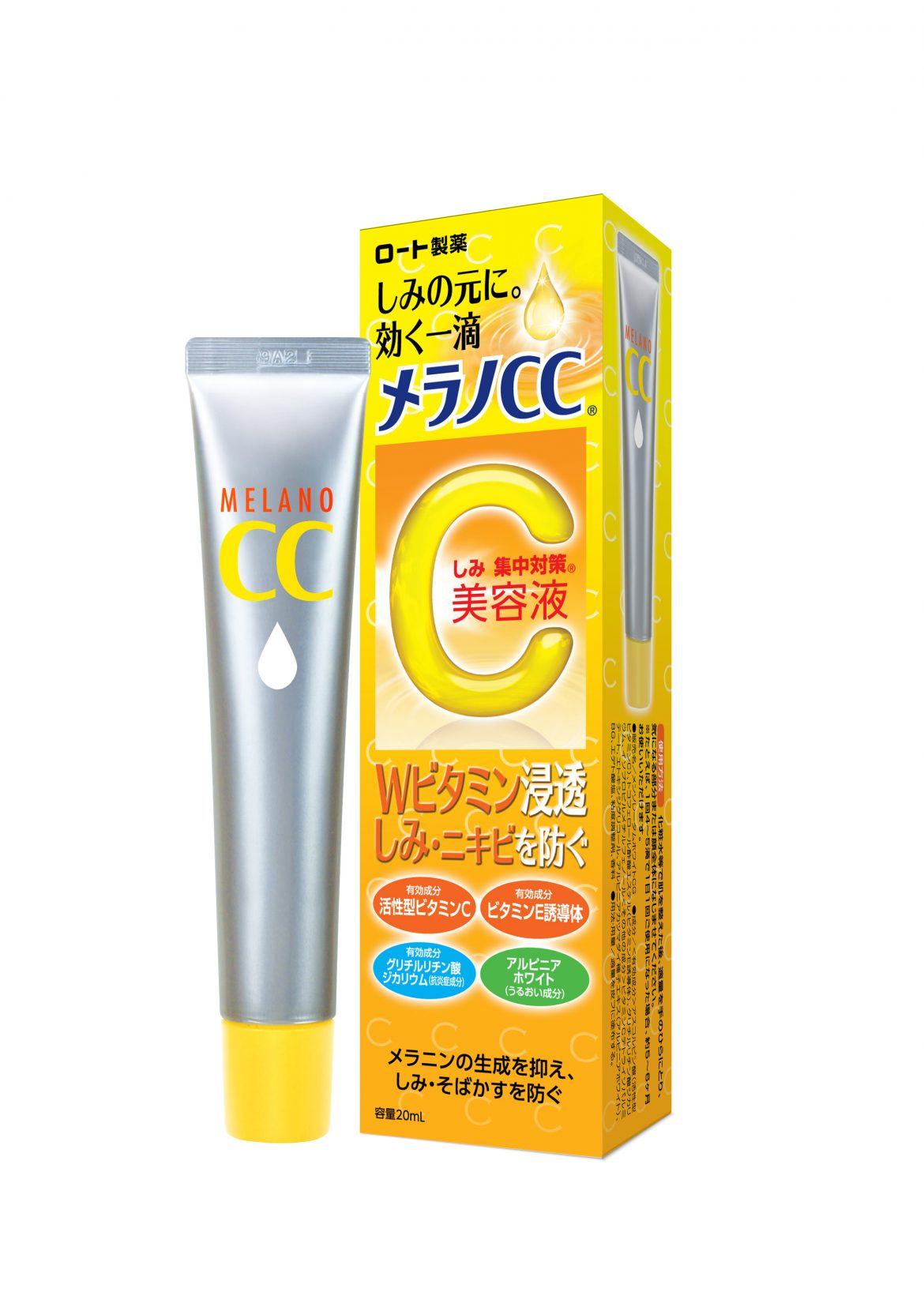
Melano CC Intensive Measures Essence Rohto’s original Melano CC uses pure ascorbic acid (vitamin C) as its quasi drug active. The air tight tube packaging keeps the vitamin C stable, which is smart engineering for an otherwise notoriously unstable ingredient. One of the most popular brightening products in Japan across all price points. Apply to clean skin before moisturizer, focusing on areas prone to dark spots. For a deeper look at the full Melano CC lineup, see our Melano CC complete guide.
Rohto
3 retailersSee retailers →
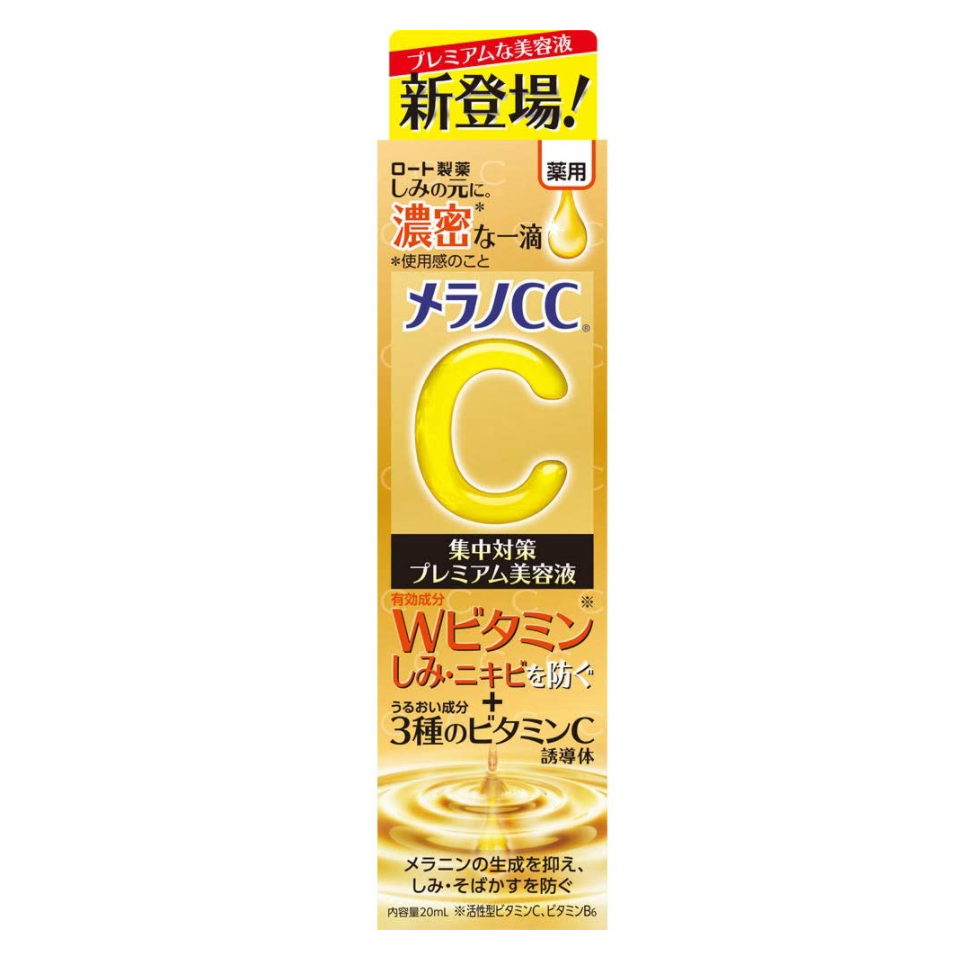
Rohto Melano CC Vitamin C Premium Essence The premium version adds three additional vitamin C derivatives alongside the pure ascorbic acid, creating what Rohto calls a four type vitamin C formulation. It also includes pyridoxine (vitamin B6). Slightly richer texture than the original.
Rohto
3 retailersSee retailers →
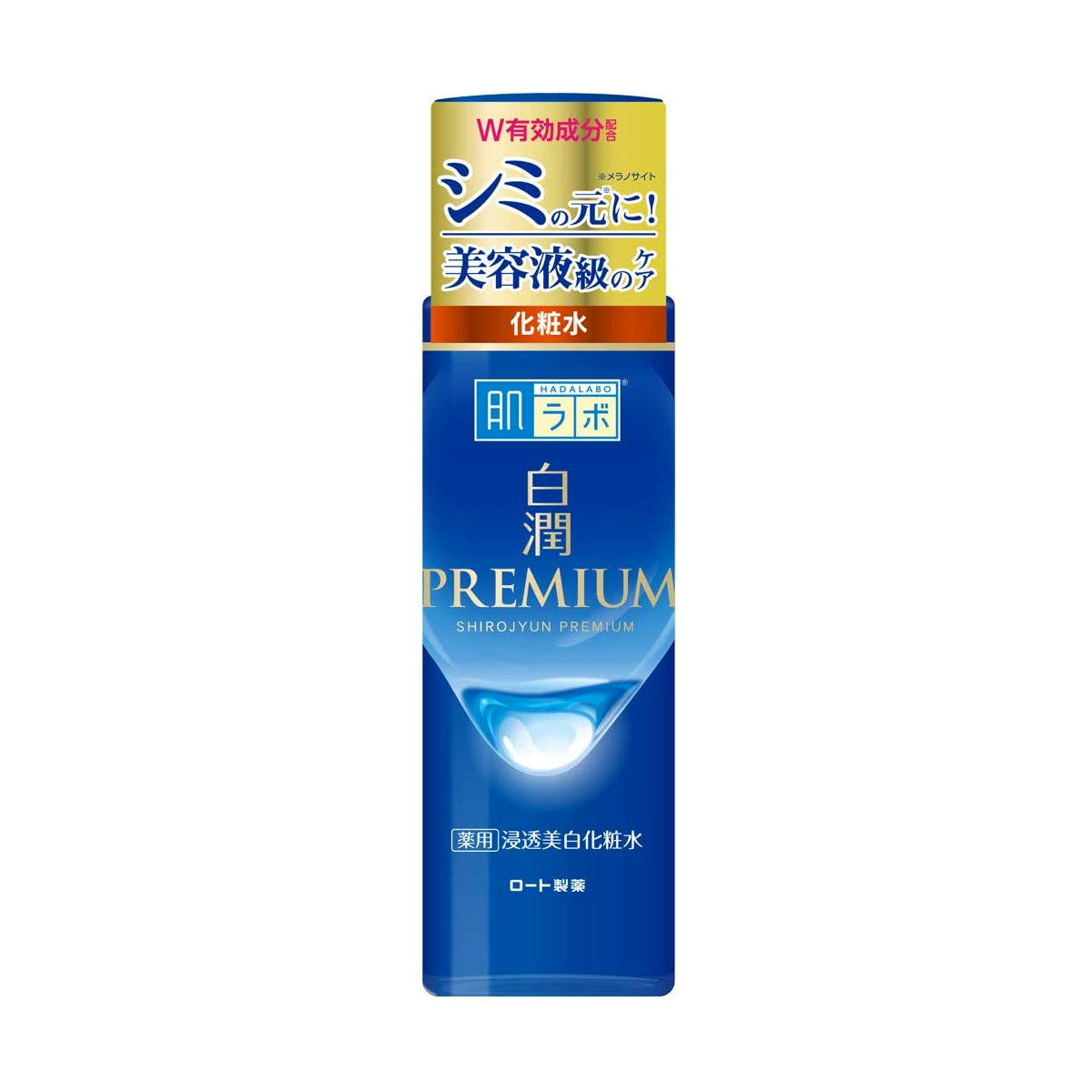
Hada Labo Shirojyun Premium Whitening Lotion Hada Labo’s brightening toner uses tranexamic acid as its quasi drug active. Since this is a “lotion” in the Japanese sense (a lightweight, watery toner), it goes on right after cleansing and before serums. The Shirojyun Premium line is a good way to add bihaku into your routine without replacing any existing products, just layer it in as your first hydrating step. For a full comparison of Hada Labo’s brightening line versus Melano CC, see our Shirojyun vs Melano CC guide.
Hada Labo
2 retailersSee retailers →
Kiku-Masamune Sake Brewing Skin Care Lotion High Moist This 500ml bottle of sake ferment filtrate lotion contains arbutin as a cosmetic ingredient and is beloved for its value. It’s classified as a regular cosmetic rather than a quasi drug, so the arbutin isn’t present at a regulated active concentration. That said, arbutin is still a recognized brightening ingredient, and many users incorporate this lotion into their bihaku routines for its combination of sake ferment filtrate, ceramides, and arbutin at a very accessible price point. Often used as a body lotion too, thanks to the generous size.

Kiku-Masamune
6 retailersSee retailers →
Mid Range Bihaku
Transino Whitening Essence EXⅡ From Daiichi Sankyo Healthcare (a pharmaceutical company, not a cosmetics brand), Transino is built entirely around tranexamic acid. The Whitening Essence EX II is their concentrated serum. Transino is notable because it comes from a pharma background: the same company that developed tranexamic acid for medical use adapted it for skincare.
Transino
1 retailerSee retailers →
ONE BY KOSE Melanoshot White D KOSE’s single brand brightening serum uses kojic acid as its active ingredient. The “D” stands for “direct,” referring to the formulation’s approach to delivering kojic acid to melanocytes. It’s a good option for those who want to try kojic acid specifically.
ONE BY KOSE
0 retailersSee retailers →
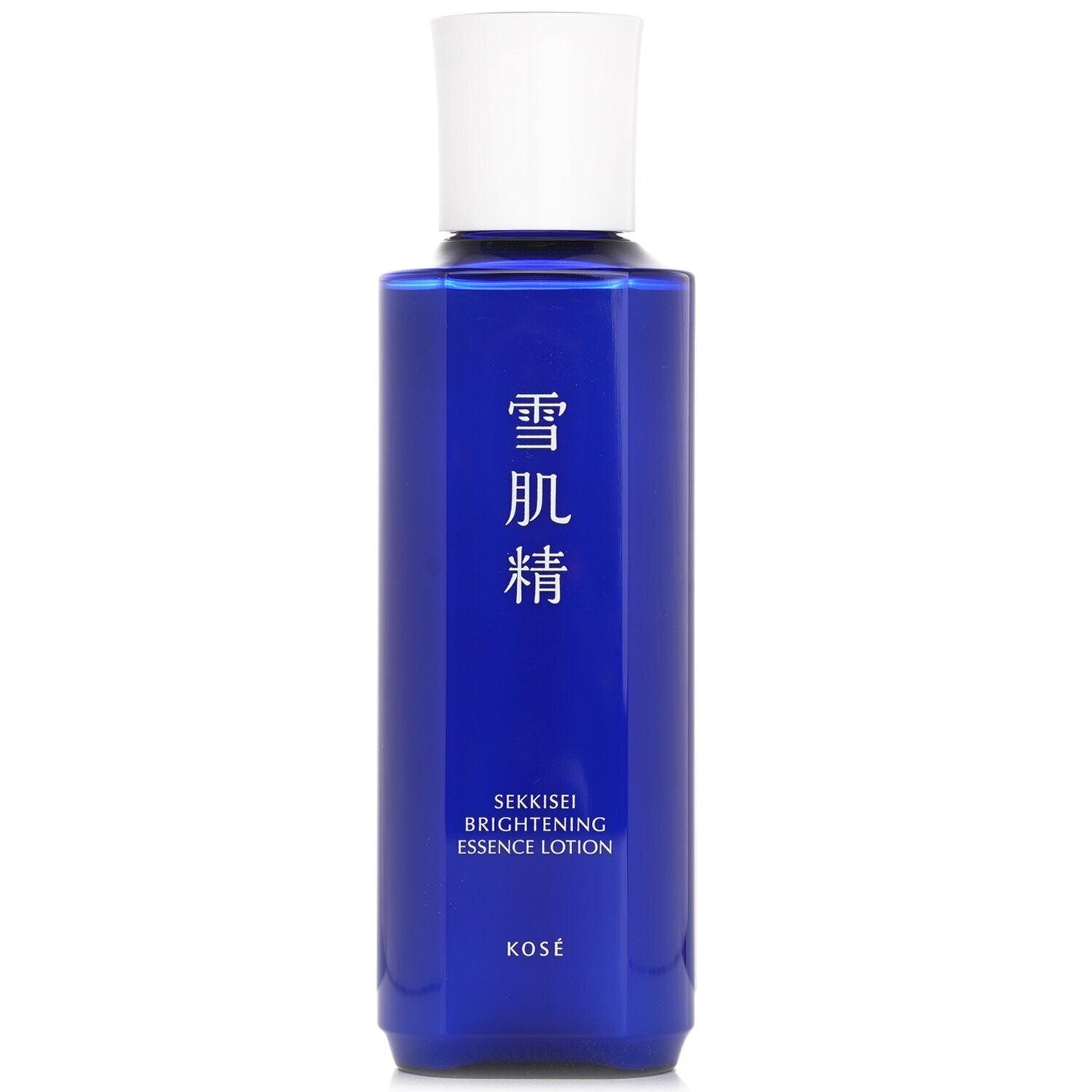
KOSE Sekkisei Brightening Essence Lotion KOSE’s long running Sekkisei line has been a bihaku staple since 1985. The reformulated Brightening Essence Lotion uses a blend of Japanese and Chinese botanical extracts. Sekkisei is one of the legacy names in bihaku, though some users find the newer formulations less distinctive than the original. Worth noting that some Sekkisei products contain alcohol, which may not suit sensitive skin.
Kose
1 retailerSee retailers →
Luxury Bihaku
Shiseido HAKU Melanofocus IV HAKU is Shiseido’s dedicated bihaku line and consistently ranks as one of Japan’s bestselling brightening serums. The Melanofocus formula combines two quasi drug actives: 4MSK and tranexamic acid. Shiseido’s research suggests this dual mechanism approach targets melanin production at multiple stages. This is a premium product, but it’s also backed by decades of Shiseido’s melanin research.

HAKU (Shiseido)
3 retailersSee retailers →
POLA White Shot SXS N POLA’s White Shot is the luxury end of bihaku. It uses Rucinol (4-n-butylresorcinol), POLA’s proprietary brightening active, which inhibits both tyrosinase and TRP-1 (tyrosinase related protein 1). The SXS N is a concentrated spot essence. Expensive, but users dealing with stubborn melasma or deep pigmentation often consider it worth the investment.
POLA
0 retailersSee retailers →
Astalift White Jelly Aquarysta Fujifilm’s Astalift line applies the company’s expertise in photo film chemistry (which involves understanding light, oxidation, and collagen) to skincare. The White Jelly Aquarysta combines Fujifilm’s nano technology with brightening actives. Particularly praised for being gentle enough for sensitive skin while still delivering visible brightening results. Note: the Astalift White Jelly is a separate product from the regular ASTALIFT Jelly Aquarysta, which focuses on hydration rather than brightening.
Chifure Whitening Essence For budget conscious shoppers, Chifure’s Whitening Essence uses stable vitamin C derivatives at a fraction of the cost of luxury bihaku. It’s basic but effective, and exemplifies how the quasi drug system makes regulated brightening accessible at every price point.
Building a Bihaku Routine
You don’t need to overhaul your skincare routine to incorporate bihaku. The easiest approach is to swap one or two steps for brightening versions.
Minimal Bihaku Routine
AM:
- Cleanser (your usual)
- Brightening lotion/toner (Hada Labo Shirojyun Premium Whitening Lotion)
- Moisturizer (your usual)
- Sunscreen (non negotiable: UV exposure triggers melanin production, undoing everything bihaku products do)
PM:
- Double cleanse (your usual)
- Brightening lotion/toner
- Brightening serum (Melano CC Intensive Measures Essence or Transino Whitening Essence EXⅡ)
- Moisturizer
Full Bihaku Routine
AM:
- Gentle cleanser
- Brightening lotion (Hada Labo Shirojyun Premium Whitening Lotion)
- Brightening serum (ONE BY KOSE Melanoshot White D or Shiseido HAKU Melanofocus IV)
- Brightening moisturizer (Shirojyun Premium Deep Whitening Cream)
- Sunscreen with UV protection
PM:
- Oil cleanser
- Foaming cleanser
- Brightening lotion
- Brightening serum or essence
- Brightening cream or sleeping mask
- Transino Whitening Facial Mask EX (1 to 2 times per week)
Tips for Bihaku Beginners
Start with one product. Adding a Shirojyun lotion or Melano CC serum to your existing routine is enough to start. You don’t need to go full bihaku from day one.
Sunscreen is not optional. UV exposure is the primary trigger for melanin overproduction. Using bihaku products without sun protection is like mopping the floor while the faucet is running.
Be patient. Bihaku is a long game. Most quasi drug brightening actives take 4 to 8 weeks of consistent daily use before visible results appear. This is normal and expected.
You can mix actives. Unlike some Western brightening ingredients that conflict with each other (retinol and certain acids, for example), most Japanese bihaku actives play well together. Tranexamic acid + vitamin C + arbutin in the same routine is common and generally well tolerated.
Check for 医薬部外品 on the label. If you’re buying from a Japanese retailer, this designation on the packaging confirms the product contains an approved active at a regulated concentration. Products without this label may contain brightening ingredients but haven’t been through the quasi drug review process.
Frequently Asked Questions
Is bihaku the same as skin bleaching?
No. Bihaku products do not bleach skin or alter your natural skin tone. They work by inhibiting excess melanin production (preventing dark spots) and promoting the turnover of melanin that’s already in the skin. The goal is evening out your skin tone and preventing sun related pigmentation, not making your skin lighter than its natural baseline.
Can people with darker skin tones use bihaku products?
Yes. Bihaku actives like tranexamic acid, arbutin, and vitamin C work on the melanin production process itself, which is relevant for all skin tones. People with more melanin tend to be more prone to post inflammatory hyperpigmentation, making these products potentially more useful. The Japanese quasi drug designation confirms the ingredients are effective at the concentrations used, regardless of baseline skin tone.
What’s the difference between bihaku and “medicated” (薬用) products?
In Japanese skincare labeling, 薬用 (yakuyou, meaning “medicated”) is essentially synonymous with 医薬部外品 (quasi drug). When you see 薬用美白 on a product, it means “medicated brightening,” confirming it’s a quasi drug with an approved brightening active. Regular cosmetics (化粧品) can contain similar ingredients but can’t make the same efficacy claims and haven’t undergone the same review process.
Why do Japanese brightening products say “whitening” in English?
Translation conventions. Japanese cosmetics regulations use the term 美白 (bihaku), and the standard English translation in Japan has historically been “whitening.” This causes confusion for non Japanese consumers who associate “whitening” with skin bleaching. Some brands have started using “brightening” in English language packaging, but “whitening” remains common, especially on products sold primarily in Japan. If a product says “whitening” and carries the 医薬部外品 label, it’s a regulated brightening product, not a bleach.
How long do bihaku products take to show results?
For preventing new dark spots, consistent use for 4 to 8 weeks is typical before you notice fewer new spots forming. For fading existing pigmentation, expect 2 to 3 months or more, depending on how deep the pigmentation is and which active ingredient the product uses. Deeper pigmentation (like melasma) may require longer treatment and possibly a higher tier product like Shiseido HAKU Melanofocus IV or POLA White Shot SXS N.