Japanese Dark Spot Serums: Melano CC vs Transino vs HAKU (2026)
This article contains affiliate links. As an Amazon Associate, we earn from qualifying purchases.
Japanese dark-spot serums are easiest to choose by active, not by the word “whitening” on the box: start with Rohto Melano CC Vitamin C Premium Essence for a vitamin C option, Transino Melano Signal Essence for tranexamic acid, or Shiseido HAKU Melanofocus IV if you want HAKU’s premium 4MSK-plus-tranexamic-acid formula. These are cosmetic or Japanese quasi-drug products, not a substitute for diagnosis or prescription treatment; use daily sunscreen and judge a routine over weeks, not days.
Quick answer: which Japanese dark spot product should you buy?
| If your main concern is… | Start with | Why |
|---|---|---|
| Acne marks / post-inflammatory hyperpigmentation | Melano CC Premium Essence | Affordable vitamin C option; compare Premium vs Original before buying |
| Persistent marks or melasma-like patches | Transino Melano Signal Essence | Japanese quasi-drug serum built around tranexamic acid |
| Premium dual-active option | Shiseido HAKU Melanofocus IV | 4MSK plus tranexamic acid; see the product page for live retailer options |
| Sensitive skin that dislikes vitamin C | Hada Labo Shirojyun Premium Lotion | Lower-irritation tranexamic acid in a hydrating lotion format |
| Preventing marks from getting darker | Anessa Brightening UV Gel or a daily SPF50+ | Brightening products underperform if UV exposure keeps triggering melanin |
If you only buy two steps, make them one targeted brightening active plus a high-protection Japanese sunscreen. For a practical import-friendly pairing, start with Melano CC or Transino, then choose SPF by finish in the Japanese sunscreen chooser or our no-white-cast sunscreen guide. New, changing, painful, or unusually dark spots need clinical advice rather than a cosmetic routine.
Why Japanese Brightening Products Work Differently
The Quasi Drug System
In Japan, any product that claims to prevent or improve hyperpigmentation needs MHLW approval. The active ingredient must be from a list of approximately 20 approved brightening actives, each backed by clinical data. These products carry the designation 医薬部外品 (medicated quasi drug) on the label.
This matters because it filters out products that are just marketing. If a Japanese product says “medicated brightening” on the label, it contains a specific concentration of an approved active. No vague “brightening complex” or proprietary blends with no accountability.
The Bihaku Ingredient Toolkit
Several of the approved actives were developed by Japanese companies and are rarely found outside Japan:
Tranexamic acid was approved for topical brightening use in 2002 (developed by Shiseido). Originally an oral medication for melasma, it works by suppressing melanin production triggered by inflammation. It’s particularly effective for post inflammatory hyperpigmentation (PIH) and melasma, two types of pigmentation that vitamin C alone struggles with.
Arbutin was approved in 1989 (also developed by Shiseido). It’s a natural derivative of hydroquinone that inhibits melanin production without the irritation or safety concerns of hydroquinone itself. It works gradually, making it a good option for sensitive skin.
4MSK (potassium methoxysalicylate) was approved in 2003, developed by Shiseido. It blocks tyrosinase activity and targets uneven pigmentation. You’ll find it primarily in the Shiseido HAKU line.
Kojic acid comes from the sake fermentation process and was one of the earlier approved brightening actives. It inhibits melanin production and has mild antibacterial properties, which makes it useful for acne prone skin dealing with both breakouts and dark marks. (Kojic acid was briefly suspended in 2003 over safety concerns from animal studies, but was reinstated in 2005 after reevaluation confirmed its safety in topical use.)
Vitamin C derivatives are used across Japanese brightening products, but the forms differ from what’s common elsewhere. Rather than pure L-ascorbic acid (which is unstable and can irritate), Japanese formulations often use ascorbyl glucoside or ascorbyl tetraisopalmitate, which are more stable and penetrate skin differently.
Learn more about tranexamic acid, arbutin, and [vitamin C](/ingredients/vitamin c) in our ingredient guide.
What These Products Won’t Do
Bihaku products will not change your natural skin tone. They don’t bleach. They don’t contain hydroquinone, mercury, or any ingredients that permanently alter pigmentation. Their function is to prevent and fade unwanted hyperpigmentation: spots, marks, uneven tone from sun damage or inflammation.
Key Brightening Ingredients and What They Target
Not all pigmentation is the same, and not all brightening ingredients work the same way. Matching the right active to your specific concern makes a real difference.
For Post Inflammatory Hyperpigmentation (PIH)
PIH is the dark marks left behind after acne, irritation, or injury. These respond well to:
- Tranexamic acid: Targets the inflammation pathway that triggers excess melanin production. This is the ingredient dermatologists in Japan most commonly recommend for PIH.
- Vitamin C derivatives: Help brighten existing marks and provide antioxidant protection against further darkening.
For Melasma
Melasma is hormonal pigmentation that appears as larger patches, usually on the cheeks, forehead, or upper lip. It’s notoriously difficult to treat.
- Tranexamic acid: The strongest option in the Japanese brightening toolkit for melasma. Oral tranexamic acid is a standard dermatological treatment in Japan; topical versions work more gradually but are accessible without a prescription.
- 4MSK: Works well in combination with tranexamic acid, which is why the HAKU line pairs them.
For Sun Spots and Age Spots
These are small, defined dark spots caused by cumulative UV exposure.
- Arbutin: Inhibits melanin production at the source. Works gradually but consistently.
- Kojic acid: Another tyrosinase inhibitor that can help fade established spots.
- Vitamin C derivatives: Help break up existing melanin deposits.
For Overall Dullness and Uneven Tone
- Arbutin: Evens out overall tone over time.
- Vitamin C derivatives: Provide antioxidant brightening across the whole face.
- Placental extract: Used in some Japanese formulations to accelerate cell turnover and brighten overall tone.
Best Products by Category
Essences and Serums
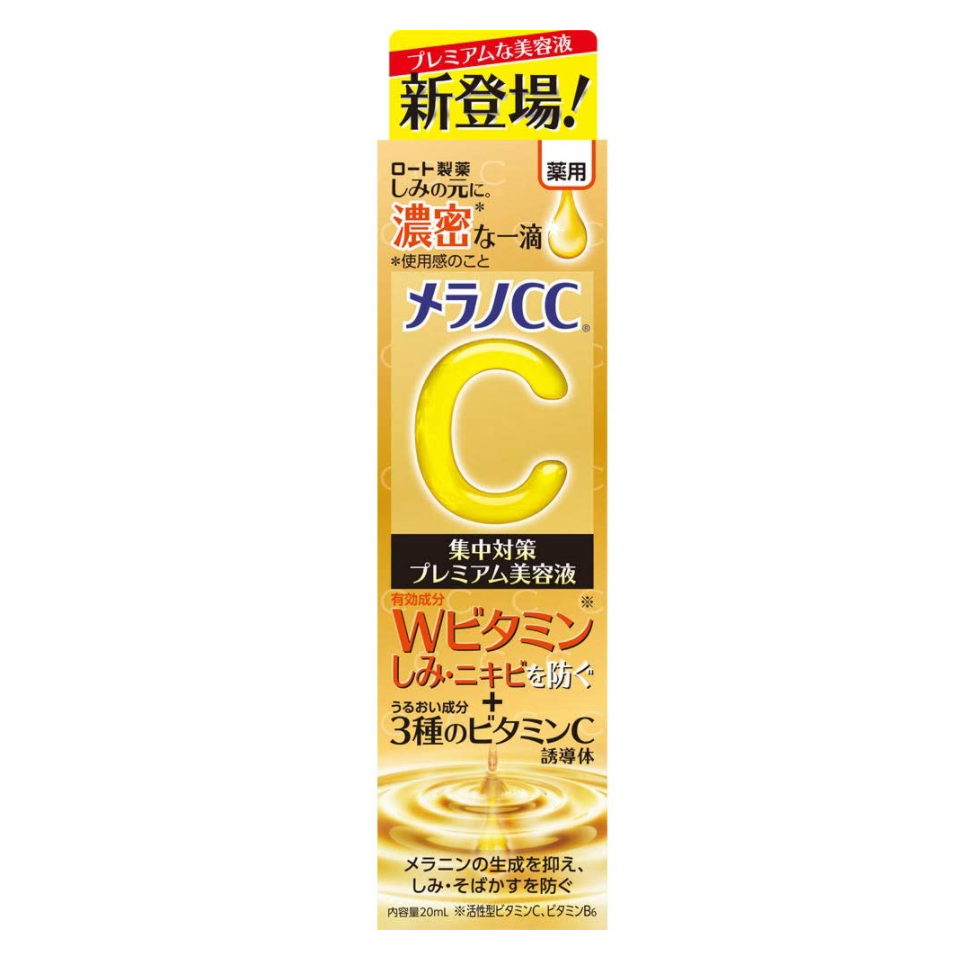
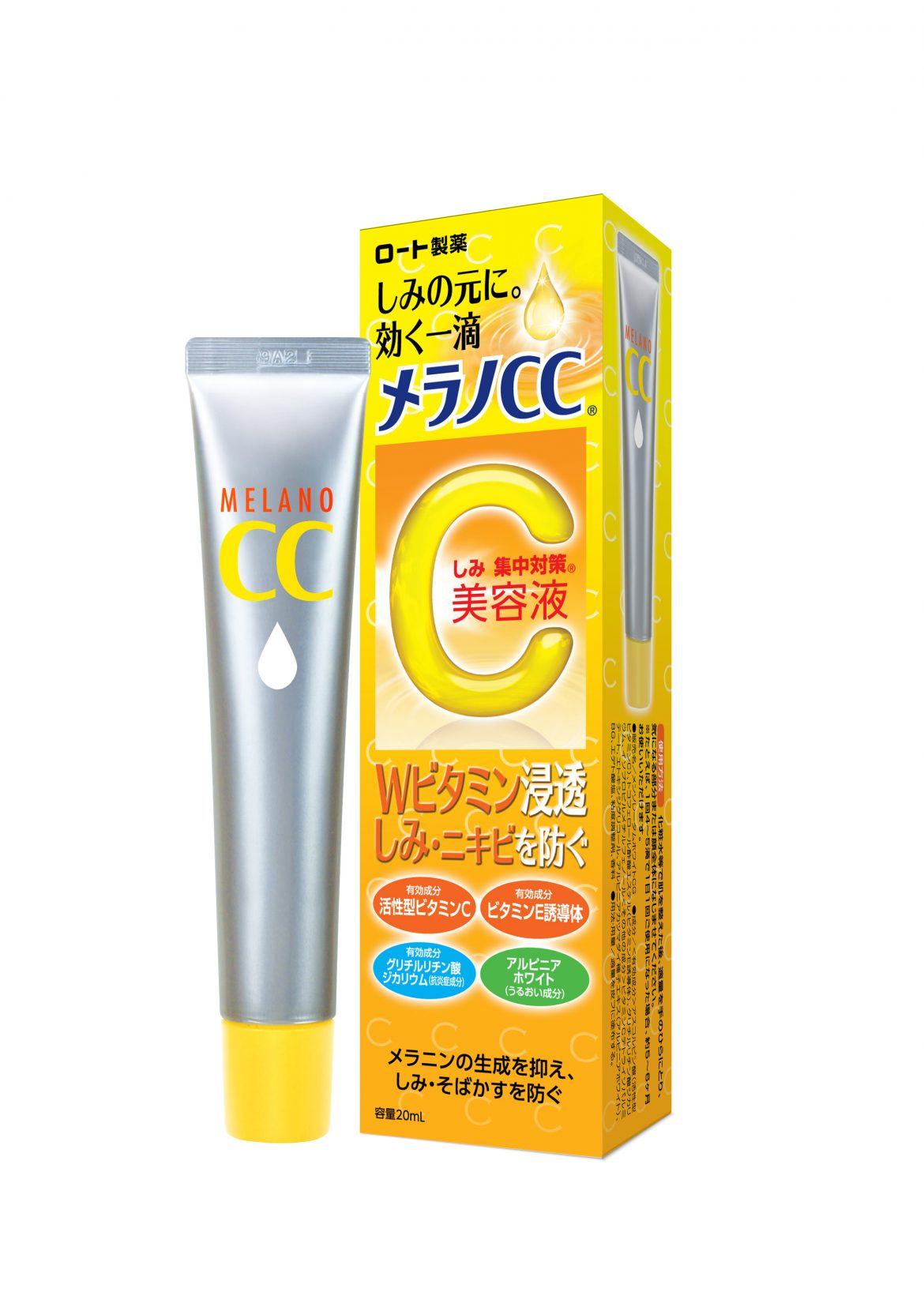
Rohto Melano CC Vitamin C Premium Essence The upgraded version of Japan’s most popular vitamin C serum. Contains ascorbic acid (pure vitamin C), tocopherol (vitamin E), pyridoxine (vitamin B6), and allantoin. The tube format keeps the vitamin C stable. Best for: PIH from acne, general brightening, and sun spot prevention. → Full breakdown: Melano CC: The Complete Guide
Rohto
3 retailersSee retailers →
Melano CC Intensive Measures Essence The original Melano CC serum at a lower price point. Same concept, slightly simpler formula. A solid starting point if you’re new to Japanese vitamin C. Not sure which version to pick? See our Melano CC Premium vs Original comparison.
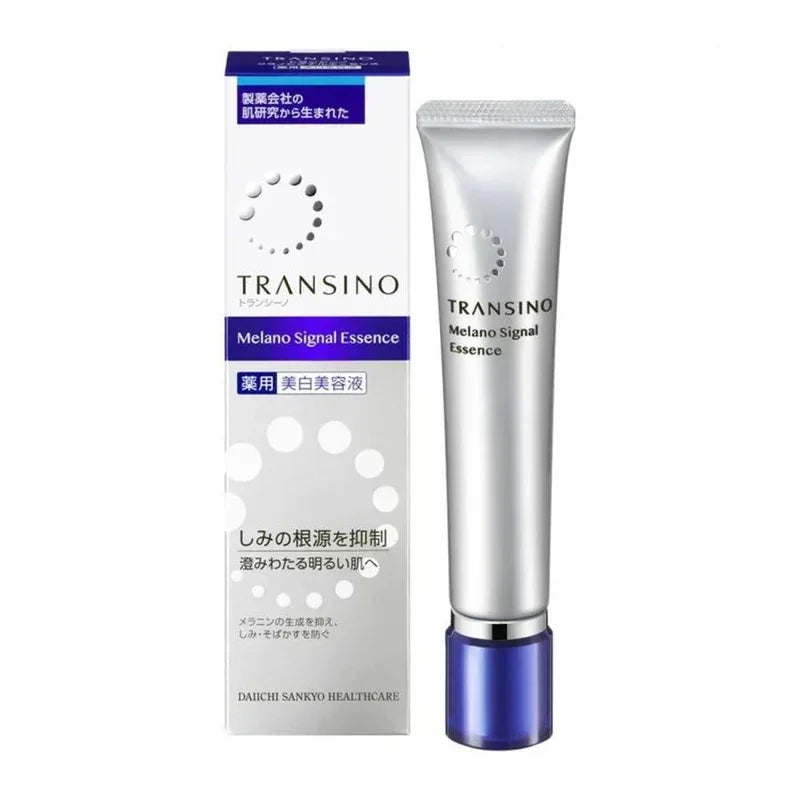
Transino Melano Signal Essence Skin Brightening Serum Built around tranexamic acid, this targets melasma and stubborn PIH more directly than vitamin C serums. Transino is a Daiichi Sankyo brand (a pharmaceutical company), and the entire line is designed around clinical grade brightening. If your dark spots haven’t responded to vitamin C, tranexamic acid is the logical next step.
Transino
0 retailersSee retailers →
Shiseido HAKU Melanofocus IV Shiseido’s flagship brightening serum pairs 4MSK with tranexamic acid. This is the premium option for serious pigmentation concerns, especially melasma. HAKU is one of the top selling brightening lines in Japan and the formula reflects decades of pigmentation research. The price is higher than drugstore options, but the dual active approach is hard to find elsewhere.

HAKU (Shiseido)
3 retailersSee retailers →
Shiseido White Lucent Illuminating Micro-Spot Serum Shiseido’s brightening line uses their proprietary ReNeura Technology with 4MSK (a potent melanin inhibitor approved in Japan). Targets both existing dark spots and prevents new ones from forming. Available at department stores and Sephora.
POLA White Shot SXS N POLA’s proprietary Rucinol (4-n-butylresorcinol) is an MHLW approved active developed specifically for treating melasma. White Shot is a premium line and the price reflects it, but the ingredient science is serious. Worth considering if other actives haven’t worked for stubborn spots.
Obagi C25 Serum NEO Contains 25% vitamin C (ascorbic acid), which is a high concentration by any standard. Obagi in Japan is a different company from US Obagi, and this serum is formulated for Japanese skin with additional stabilizing ingredients. Best for: advanced users who want aggressive brightening and are comfortable with higher-strength vitamin C. → Comparison: Melano CC vs Obagi C25 vs Skinceuticals CE Ferulic
Want a vitamin C serum with a stated strength?
Obagi Medical’s US range is another option if you want to compare specific L-ascorbic acid concentrations. Professional-C 15% sits between its 10% and 20% options. It is separate from the Japanese Obagi C25 above.
The middle strength
Obagi Professional-C Serum 15%
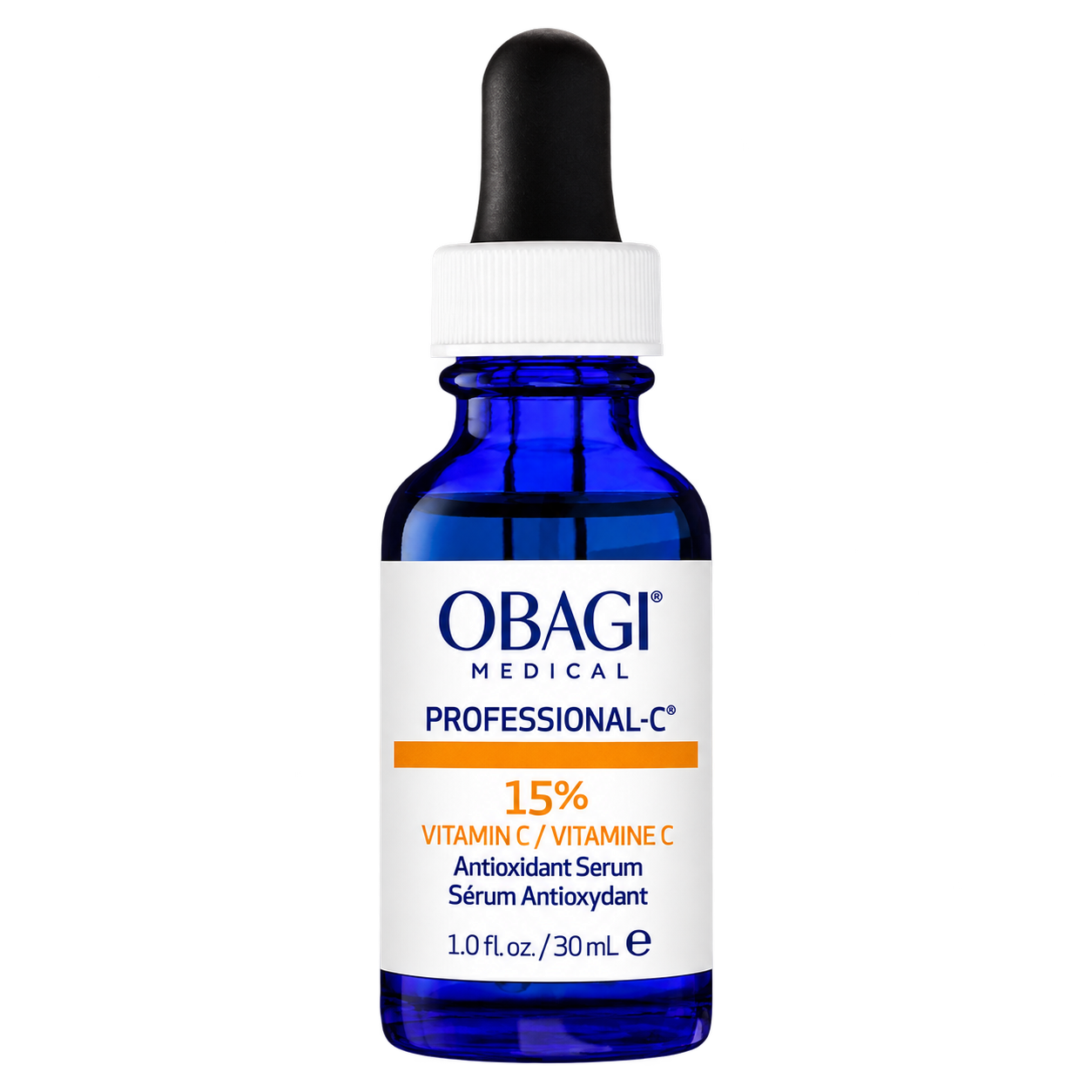
Choose 15% if your skin already tolerates vitamin C and you want the middle option. Obagi Medical positions this serum for normal to combination skin and a more even looking tone.
Contains fragrance and alcohol. There is no need to increase strength if your current serum suits you.
Shop on Amazon USCompare Professional-C 10%, 15% and 20% before choosing a strength.
Obagi product information. Checked October 9, 2026.
Lotions and Toners
Hada Labo Shirojyun Premium Whitening Lotion Combines tranexamic acid with hyaluronic acid, giving you brightening and hydration in one step. The premium version (dark blue bottle) has a richer texture than the regular Shirojyun line. This is one of the most popular brightening toners in Japan and a great way to add tranexamic acid into your routine without extra steps. → Comparison: Hada Labo Shirojyun vs Melano CC → Full line guide: Hada Labo: Every Product Line Explained
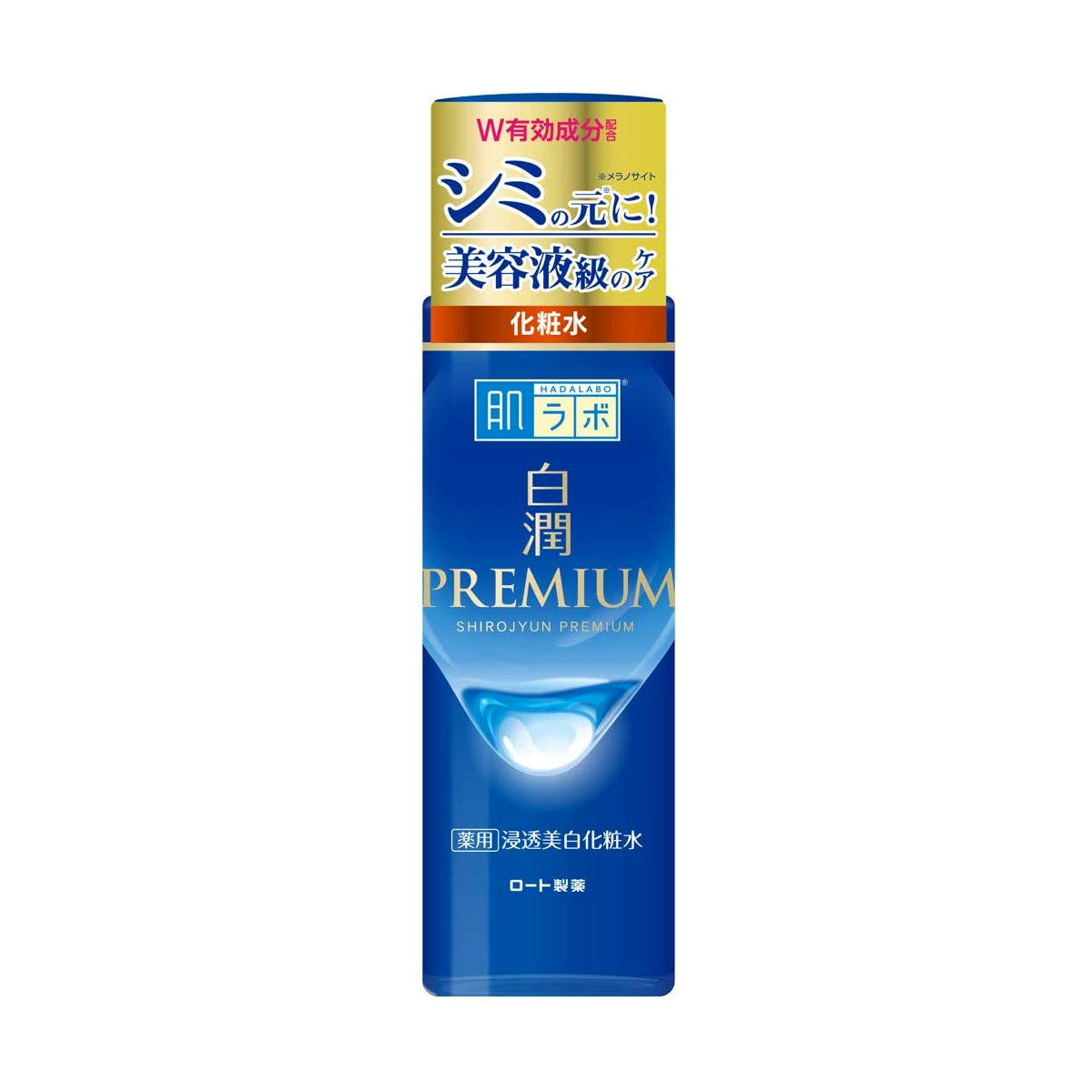
Hada Labo
2 retailersSee retailers →
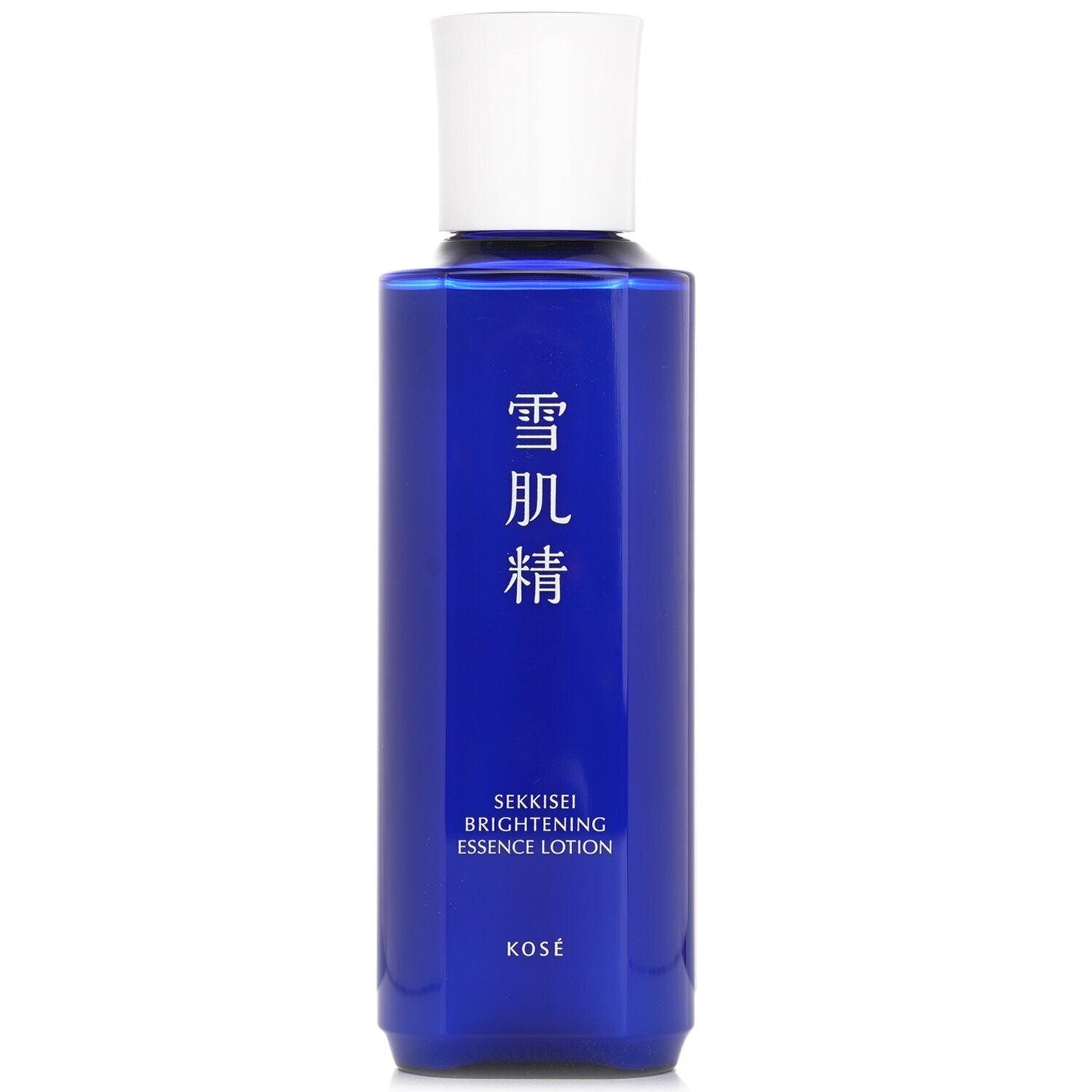
Kose Sekkisei Brightening Essence Lotion The Kose Sekkisei line uses a blend of traditional herbal extracts (coix seed, angelica, melothria) for brightening. It’s been a staple in Japanese department stores for decades. The texture is lightweight and layerable.
Melano CC Medicated Whitening Lotion for Spots A vitamin C toner from the Melano CC line. Lighter commitment than the serum, good for maintaining brightness across the whole face after treating spots with a targeted serum.
Creams and Gels
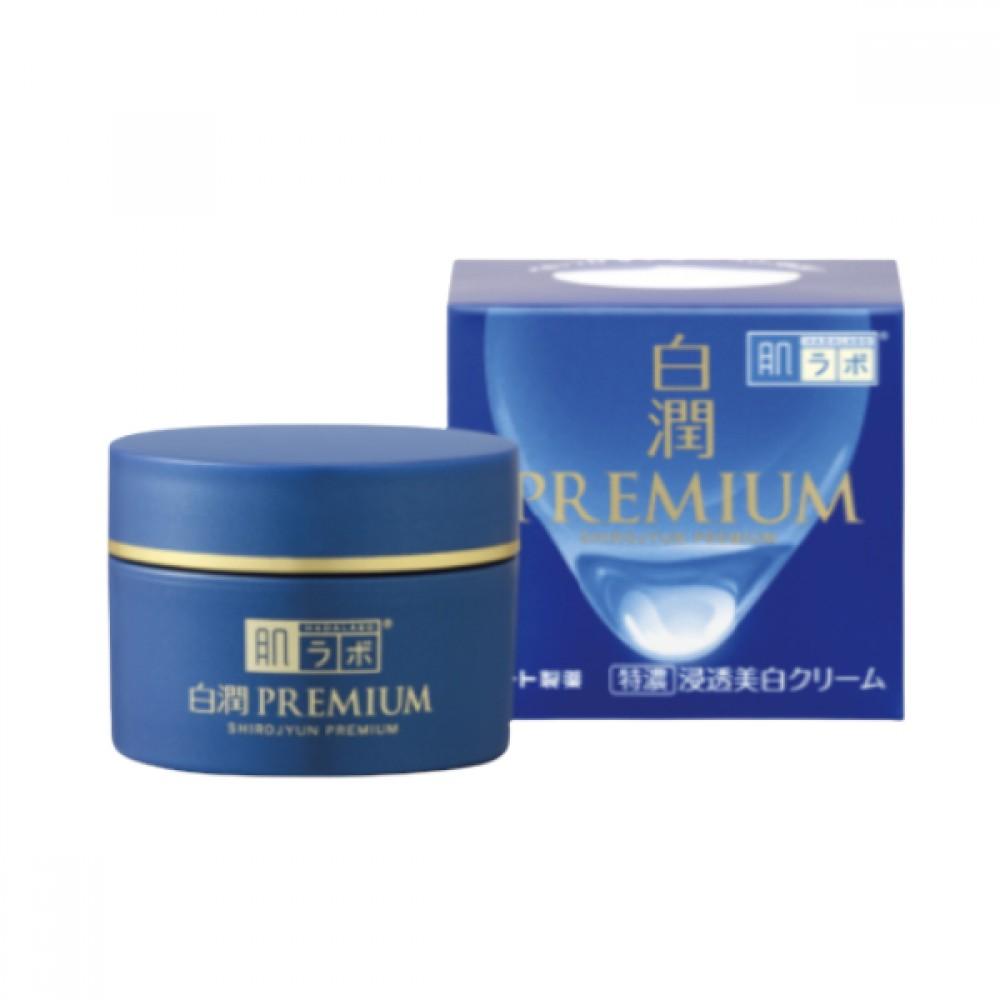
Shirojyun Premium Deep Whitening Cream The cream version of the Shirojyun Premium line, with the same tranexamic acid active. Good as a final step to lock in brightening ingredients overnight. Richer texture suits dry skin types.
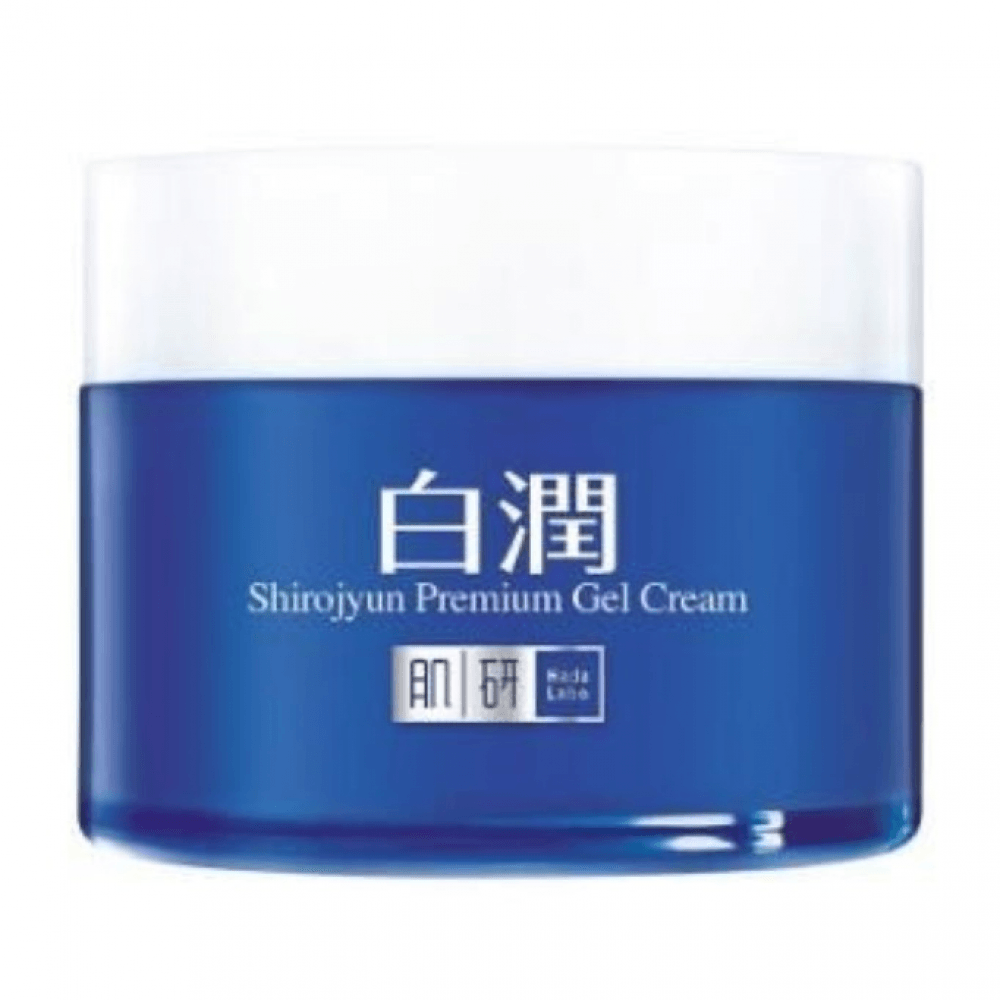
Shirojyun Premium Gel Cream A lighter alternative to the cream for combination or oily skin. Same tranexamic acid active in a gel texture that absorbs faster.
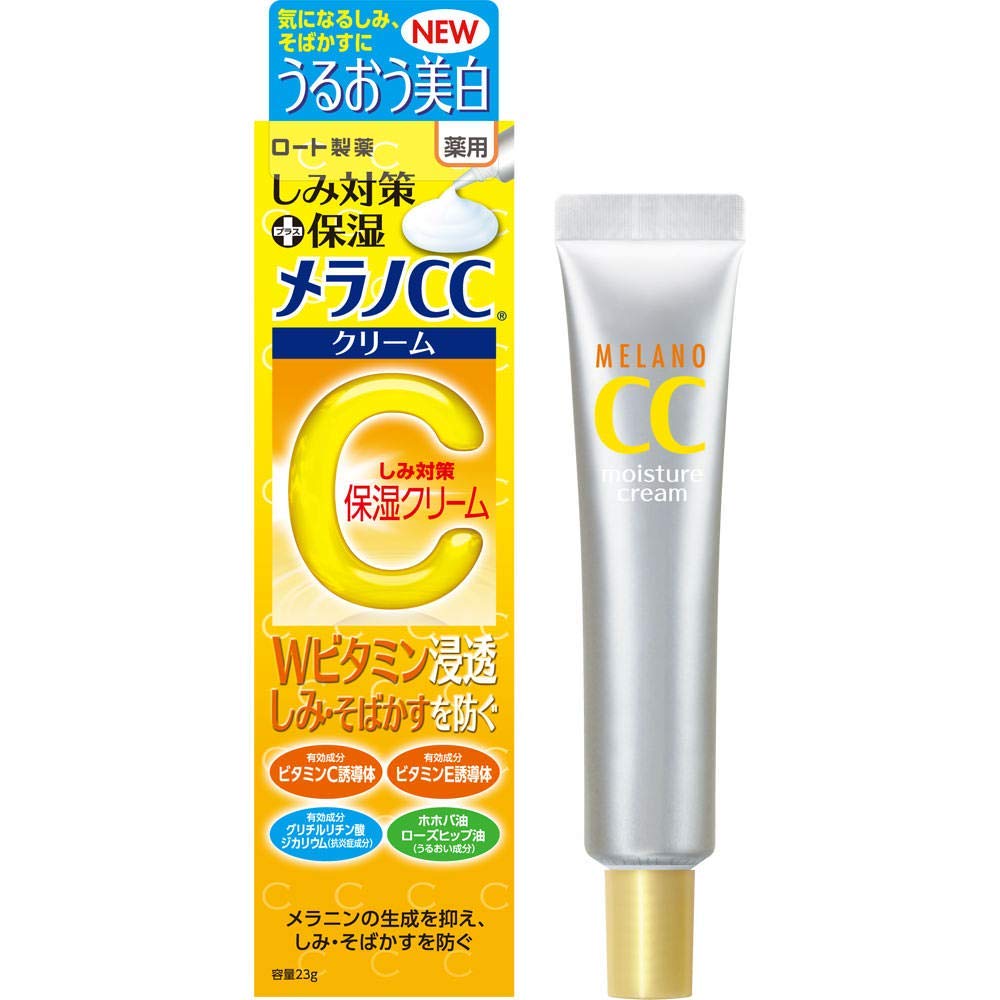
Rohto Melano CC Anti-Spot Moisture Cream Vitamin C in a cream format. Works as a targeted spot treatment or all over moisturizer for oily skin. Less intense than the serum but more convenient for daily use.
Hada Labo Premium Arbutin Gel Cream Arbutin in a hydrating gel cream base. A gentle option for sensitive skin types who want brightening without the potential irritation of vitamin C or tranexamic acid.
Masks
Melano CC Vitamin C Mask Sheet masks soaked in a vitamin C solution. Good for a weekly brightening boost. 20 masks per pack makes them affordable for regular use (see our best Japanese sheet masks for more options).
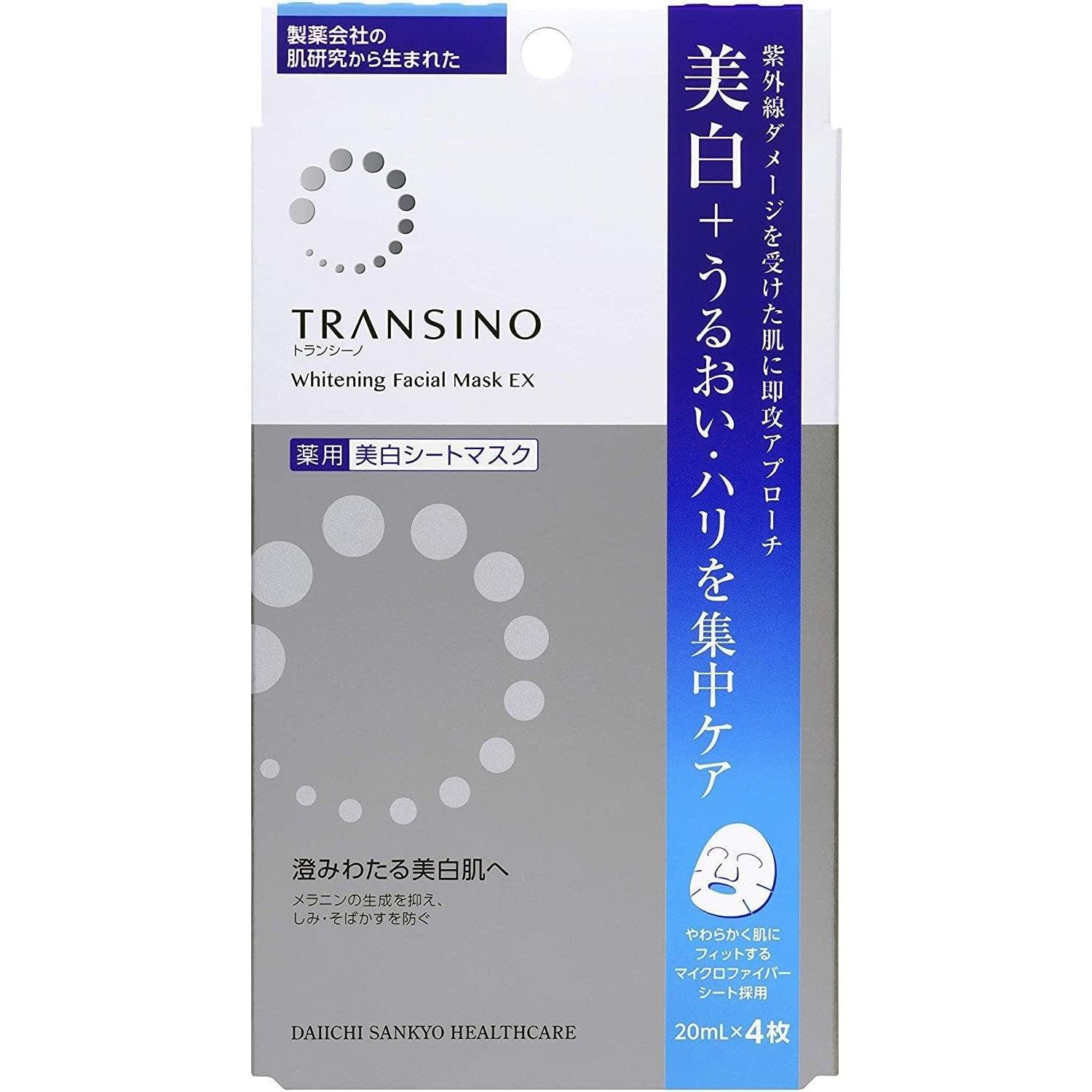
Transino Whitening Facial Mask EX Tranexamic acid in sheet mask form. Gives you concentrated contact time with the active ingredient. Use after cleansing and before your serum for best absorption.
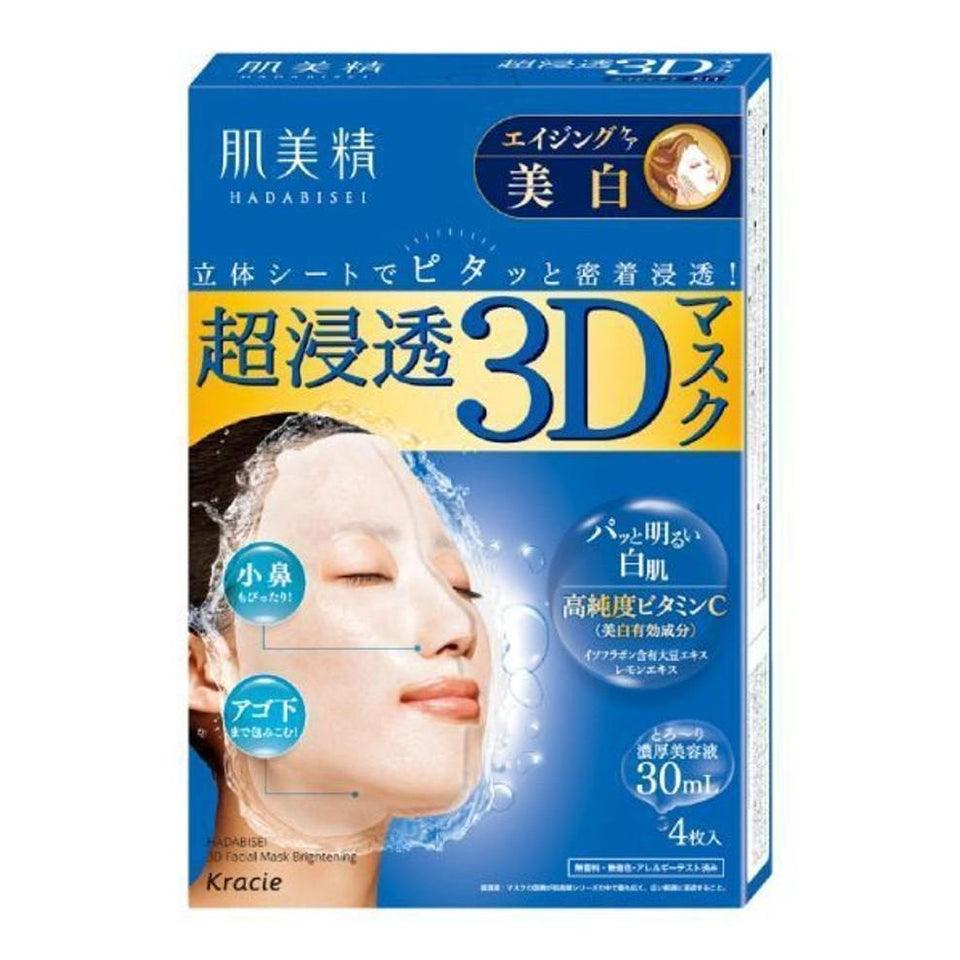
Kracie Hadabisei 3D Super Aging-Care Brightening Mask A 3D-fit mask with brightening actives. The fit is better than most sheet masks for getting product into the contours of your face.
Sunscreen (Prevention Is Non Negotiable)
Every brightening routine is pointless without daily sun protection. UV exposure triggers melanin production, which is exactly what you’re trying to suppress. Japanese sunscreens are some of the best in the world for daily wear.
Melano CC Vitamin C Deep Day Care UV Lotion SPF 50+ PA++++ Combines UV protection with vitamin C, so you get prevention and treatment in one step. Good for the morning routine.
Anessa Brightening UV Sunscreen Gel (2026) Anessa’s brightening-specific sunscreen with SPF50+ PA++++. Contains tranexamic acid as a quasi drug active alongside strong UV filters.
For more sunscreen options: Best Japanese Sunscreen
How to Build a Japanese Brightening Routine
You don’t need every product listed above. A solid brightening routine has three elements: a brightening active, hydration, and sun protection. Here’s how to structure it.
Morning Routine
- Gentle cleanser (any; brightening cleansers exist but the contact time is too short to matter much)
- Brightening toner/lotion: Hada Labo Shirojyun Premium Whitening Lotion or Kose Sekkisei Brightening Essence Lotion
- Moisturizer (if needed for your skin type)
- Sunscreen: SPF 50+ PA++++ daily, no exceptions. Melano CC Vitamin C Deep Day Care UV Lotion SPF 50+ PA++++ combines both steps.
Evening Routine
- Double cleanse (oil cleanser, then water based cleanser)
- Brightening toner/lotion: Same as morning, or a different product to layer actives
- Brightening serum: This is your targeted treatment step. Rohto Melano CC Vitamin C Premium Essence for general dark spots, or Transino Melano Signal Essence Skin Brightening Serum for melasma/PIH
- Cream or gel cream: Shirojyun Premium Deep Whitening Cream or Shirojyun Premium Gel Cream to lock everything in
Notes on Routine Building
Start with one brightening active, not three. Layering tranexamic acid toner with vitamin C serum and arbutin cream sounds thorough, but it’s better to give one product 4 to 6 weeks to work before adding more. This way you know what’s helping.
Tranexamic acid and vitamin C can be used together. They work through different pathways and don’t interfere with each other. But start with one and add the second later.
Be patient. Pigmentation takes time to fade. Most brightening products need 8 to 12 weeks of consistent use to show visible results. Dark spots that took months or years to form won’t disappear in two weeks.
Sunscreen is the most effective brightening product. This isn’t an exaggeration. Without daily SPF, every brightening serum you apply is fighting a losing battle. UV exposure creates new pigmentation faster than any serum can fade it.
Dark Spots vs Melasma vs PIH: Choosing the Right Products
Understanding what type of pigmentation you’re dealing with helps you pick the right approach.
Sun Spots (Solar Lentigines)
What they look like: Small, flat, defined brown spots. Usually on areas with the most sun exposure: face, backs of hands, shoulders.
Cause: Cumulative UV damage over years.
Best actives: Arbutin, vitamin C derivatives, kojic acid. These inhibit the tyrosinase enzyme that drives melanin production in sun damaged cells.
Product picks: Rohto Melano CC Vitamin C Premium Essence, Hada Labo Premium Arbutin Gel Cream
Post Inflammatory Hyperpigmentation (PIH)
What it looks like: Dark marks left behind after acne, eczema, cuts, or any skin inflammation. Can be pink, red, brown, or purple depending on skin tone.
Cause: Inflammation triggers excess melanin production in the healing process.
Best actives: Tranexamic acid (targets the inflammation melanin pathway directly), vitamin C derivatives.
Product picks: Transino Melano Signal Essence Skin Brightening Serum, Hada Labo Shirojyun Premium Whitening Lotion
Melasma
What it looks like: Larger, diffuse patches of pigmentation, usually on the cheeks, forehead, upper lip, or jawline. Often symmetrical.
Cause: Hormonal changes (pregnancy, birth control, hormone therapy) combined with UV exposure.
Best actives: Tranexamic acid is the strongest topical option. 4MSK works well alongside it. This is the hardest type of pigmentation to treat topically.
Product picks: Shiseido HAKU Melanofocus IV (dual active: 4MSK + tranexamic acid), POLA White Shot SXS N (Rucinol)
Important note: Melasma can be managed but rarely fully cured with topical products alone. In Japan, dermatologists often prescribe oral tranexamic acid alongside topical treatment for moderate to severe cases. If your melasma isn’t responding to topical care after 3 months, a dermatologist visit is worthwhile.
Frequently Asked Questions
Are Japanese “whitening” products safe for darker skin tones?
Yes. Japanese bihaku products do not bleach skin or alter your natural complexion. They target excess melanin production caused by sun damage, inflammation, or hormonal changes. The term “whitening” is a translation convention; “brightening” is more accurate in English. For a deeper dive into the philosophy and regulatory system behind Japanese brightening, see our guide to bihaku. These products work the same way regardless of skin tone: they fade unwanted dark spots and even out overall tone. For product picks and routines tailored to deeper skin tones, see the Japanese skincare for dark skin tones guide.
Can I use tranexamic acid and vitamin C together?
Yes. They work through different mechanisms (tranexamic acid suppresses inflammation-driven melanin production; vitamin C inhibits tyrosinase and provides antioxidant protection) and are safe to layer. Many Japanese routines combine a tranexamic acid toner like Hada Labo Shirojyun Premium Whitening Lotion with a vitamin C serum like Rohto Melano CC Vitamin C Premium Essence.
How long does it take to see results from Japanese brightening products?
Most people notice improvement in overall skin tone within 4 to 6 weeks. Fading specific dark spots or PIH typically takes 8 to 12 weeks of consistent use. Melasma takes longer, often 3 to 6 months, and results depend heavily on daily sun protection. If you see no improvement after 12 weeks, consider switching actives (e.g., from vitamin C to tranexamic acid) or consulting a dermatologist.
What’s the difference between Hada Labo Shirojyun and Melano CC?
Shirojyun uses tranexamic acid for brightening, while Melano CC uses vitamin C (ascorbic acid). Shirojyun is a hydrating toner/lotion format; Melano CC is a concentrated serum. They complement each other well and can be used in the same routine. For a detailed comparison: Hada Labo Shirojyun vs Melano CC
Can I get a full routine for dark spots?
Yes. Our [routine builder](/routine?concerns=dark spots) generates a personalized routine focused on brightening and dark spot prevention, with product recommendations at each step.
Do I need to use Japanese skincare for the whole routine, or can I mix with Western products?
You can mix them freely. The active ingredients are what matter, not the brand origin. A Japanese tranexamic acid toner works perfectly alongside a Western retinol or niacinamide product. The one non negotiable is daily sunscreen, and Japanese sunscreens happen to be excellent options for daily wear because of their lightweight textures and high UV protection.