Japanese beauty explained
Melano CC vs Obagi C25 vs Skinceuticals CE Ferulic: Vitamin C Compared
Vitamin C serum is one of those products where the price range is absurd. You can spend $10 on Melano CC or $180 on Skinceuticals CE Ferulic. Both claim to brighten skin and fade dark spots. So what are you actually paying for, and does the expensive stuff work $170 better?
This comparison covers the two most popular Japanese vitamin C products and how they stack up against the Western gold standard.
The Three Contenders
| Melano CC | Obagi C25 Serum NEO | Skinceuticals CE Ferulic | |
|---|---|---|---|
| Brand origin | Japan (Rohto) | Japan (Rohto/Obagi JP) | USA (L’Oréal) |
| Vitamin C type | Ascorbic acid (stabilized) | 25% pure L ascorbic acid | 15% pure L ascorbic acid |
| Price range | Under $15 | ~$50 to $60 | ~$170 to $180 |
| Format | Tube, drop by drop | Dropper bottle | Dropper bottle |
| Additional actives | Vitamin E | Vitamin E, collagen | Vitamin E, ferulic acid |
| Best for | Everyday maintenance, dark spots | Intensive treatment, high potency | Anti aging, comprehensive protection |
Melano CC Intensive Measures Essence
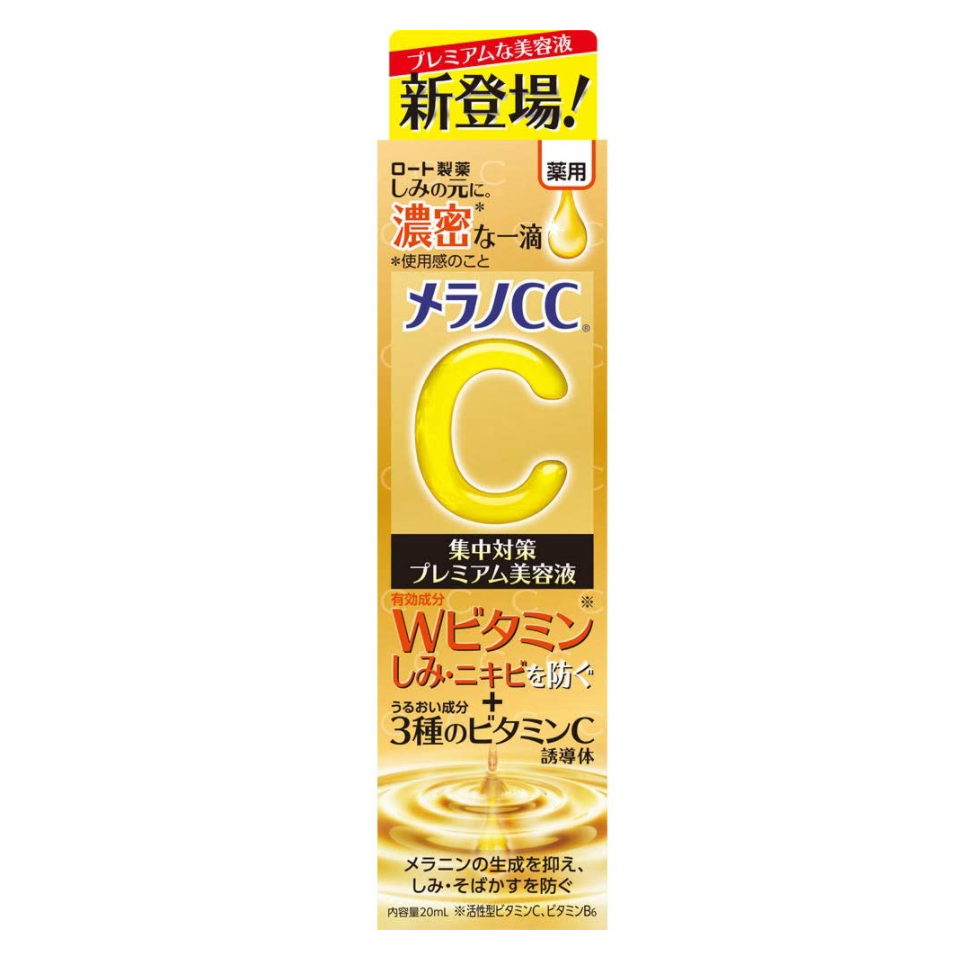
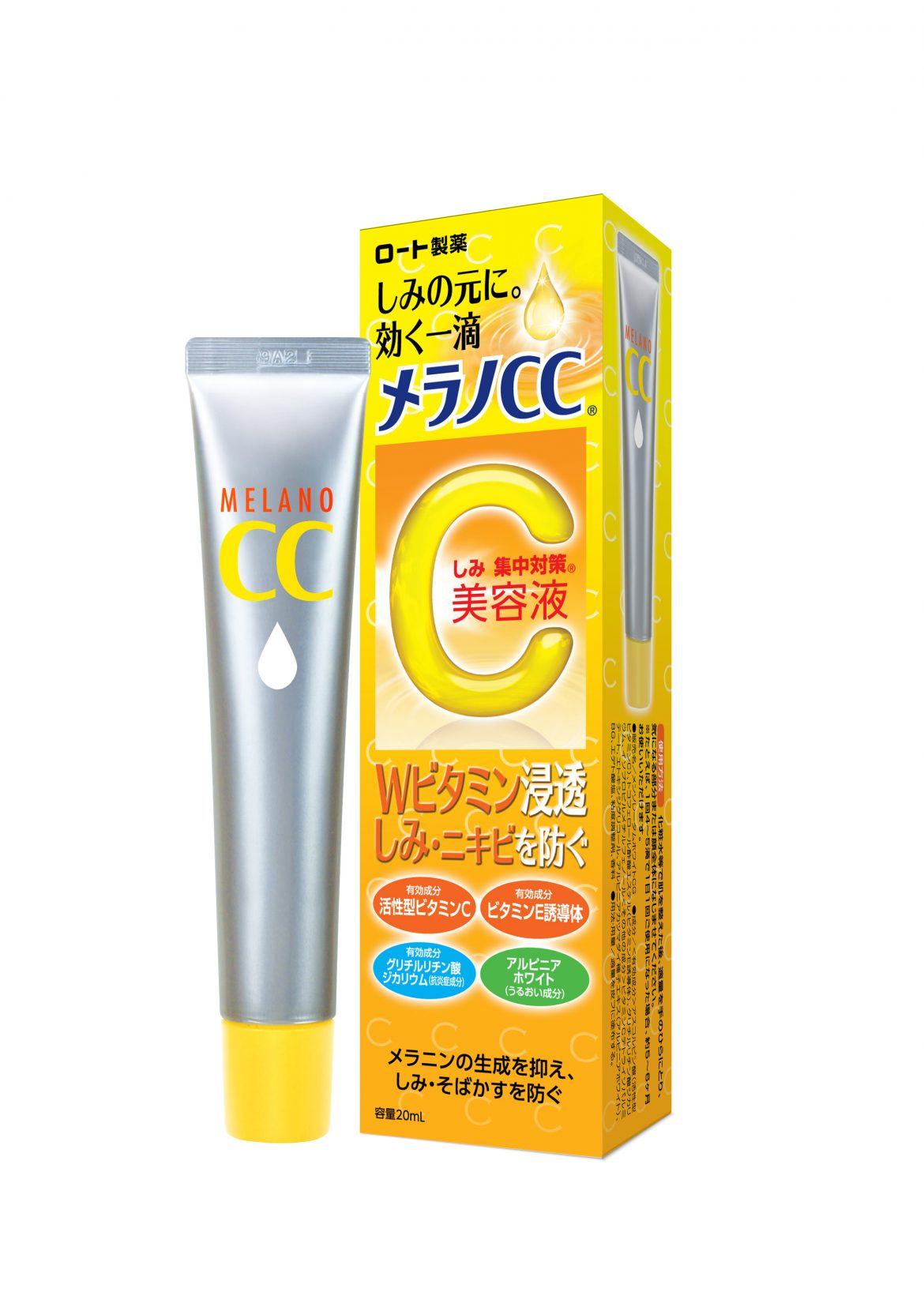
The affordable legend. Melano CC costs under $15 and has become one of the most recommended vitamin C products in the entire skincare community.
The formula uses a stabilized form of ascorbic acid in a tube that dispenses drop by drop, minimizing air exposure (vitamin C degrades with air contact). It also contains vitamin E for antioxidant support.
What it does well: fades post acne marks and dark spots with consistent daily use. The community is full of people who saw visible improvement over 4 to 8 weeks. The lightweight texture absorbs fast and layers well under other products and sunscreen.
What it doesn’t do: this isn’t a high potency treatment. The vitamin C concentration isn’t disclosed (common with Japanese products, which don’t always list percentages). It works gradually, not dramatically.
Rohto
3 retailersSee retailers →
Obagi C25 Serum NEO
Japan’s high potency option. Obagi C25 contains 25% pure L ascorbic acid, which is one of the highest concentrations available in any vitamin C serum.
Important: Japanese Obagi is a different company from US Obagi (Obagi Medical). Same name origin, different products, different formulations. The Japanese line is made by Rohto Pharmaceutical (same parent company as Melano CC, interestingly).
At 25% L ascorbic acid, this is a serious product. The results are faster and more dramatic than Melano CC, but so is the potential for irritation. People with sensitive skin should start slowly. The price (around $50 to $60) puts it in the mid range between Melano CC and Western luxury serums.
Obagi
1 retailerSee retailers →
Skinceuticals CE Ferulic
The Western reference standard. Skinceuticals patented the combination of L ascorbic acid + vitamin E + ferulic acid, and CE Ferulic has been the vitamin C serum that everything else gets compared against.
At 15% L ascorbic acid, it’s actually a lower concentration than Obagi C25. The innovation is the delivery system and the synergistic combination with ferulic acid, which stabilizes vitamin C and boosts its efficacy.
It works. The research behind it is strong. The question is whether it works $170 better than a $15 tube of Melano CC or a $55 bottle of Obagi C25.
How They Compare to Korean Options
COSRX and Goodal are the most commonly compared Korean vitamin C products:
COSRX Vitamin C 23 Serum uses 23% pure ascorbic acid at a price point similar to Obagi C25. It’s widely available outside Japan.
Goodal Green Tangerine Vita C is a K beauty favorite for gentler, everyday brightening. More comparable to Melano CC in approach.
Both are solid products. The advantage of the Japanese options is either extreme affordability (Melano CC) or pharmaceutical grade formulation (Obagi C25).
Which Should You Choose?
Melano CC if:
- You want to try vitamin C without a big investment
- Your main concern is post acne marks or mild dark spots
- You want something gentle that’s unlikely to irritate
- You prefer a tube format that keeps the vitamin C stable
- Budget matters
Obagi C25 if:
- You want faster, more dramatic results
- Your skin tolerates actives well
- You’re targeting deeper pigmentation or more stubborn dark spots
- You want pharmaceutical grade formulation at a mid range price
- You’re already experienced with vitamin C
Skinceuticals CE Ferulic if:
- Anti aging is your primary concern (not just dark spots)
- You value the research and the ferulic acid stabilization
- Budget isn’t a concern
- You want the product with the most clinical data behind it
For most people starting out or maintaining: Melano CC. For most people wanting serious results: Obagi C25 at a third the price of Skinceuticals.
Related: Melano CC Complete Guide · Hada Labo Shirojyun vs Melano CC · Japanese Skincare Ingredients Guide
FAQ
Is Melano CC really as good as expensive vitamin C serums?
For everyday dark spot maintenance, yes. It won’t deliver results as fast as a 25% L ascorbic acid serum, but the gap between a $15 product and a $170 product is not proportional to the price difference. Melano CC is the diminishing returns sweet spot.
Is Japanese Obagi the same as US Obagi?
No. They share a name origin (both trace back to dermatologist Dr. Zein Obagi) but are separate companies making different products. Japanese Obagi is made by Rohto Pharmaceutical and is only available from J beauty retailers. US Obagi Medical makes different products sold through dermatologists.
Can you use Melano CC and retinol together?
Yes, with care. The common approach is vitamin C in the morning (before sunscreen) and retinol at night. Using both at the same time can increase irritation, so separating them by time of day is the standard recommendation.
How long does it take to see results?
Melano CC: 4 to 8 weeks for noticeable fading of dark spots. Obagi C25: some users report improvement within 2 to 4 weeks due to the higher concentration. Skinceuticals: similar timeline to Obagi. Consistency matters more than concentration.