What It Does
A gentle, naturally derived brightening agent that inhibits tyrosinase to reduce dark spots without irritation.
Arbutin is a naturally occurring compound found in bearberry, mulberry, and other plants, widely used in Japanese brightening formulations. There are two main forms: alpha-arbutin and beta-arbutin, with alpha-arbutin being more stable and effective. It is a glycosylated form of hydroquinone, offering similar brightening benefits with significantly less irritation risk.
Arbutin works by inhibiting tyrosinase, the enzyme responsible for melanin production. Unlike hydroquinone, which can be harsh and is restricted in some countries, arbutin provides a gentler alternative that is safe for long term use. Japanese brands often combine arbutin with other brightening ingredients like vitamin C or tranexamic acid for enhanced effects.
In Japan, arbutin is approved as a quasi-drug active ingredient for skin lightening. It is particularly popular in drugstore brands and appears in serums, lotions, and essences at concentrations typically ranging from 1 to 5 percent.
Inhibits tyrosinase enzyme activity, reducing melanin production. Alpha-arbutin is more stable and effective than beta-arbutin. Does not bleach existing pigment but prevents new melanin formation.
The Japanese Context
Approved as quasi-drug active ingredient in Japan. Widely used in drugstore and prestige lines as a safe, effective alternative to hydroquinone.
Best For
How It's Used
Typical concentration: 1 to 5%, typically 2% in drugstore products
Ingredient Interactions
Side Effects and Cautions
Very well tolerated. Rare reports of mild irritation. Much safer than hydroquinone.
Products With Arbutin
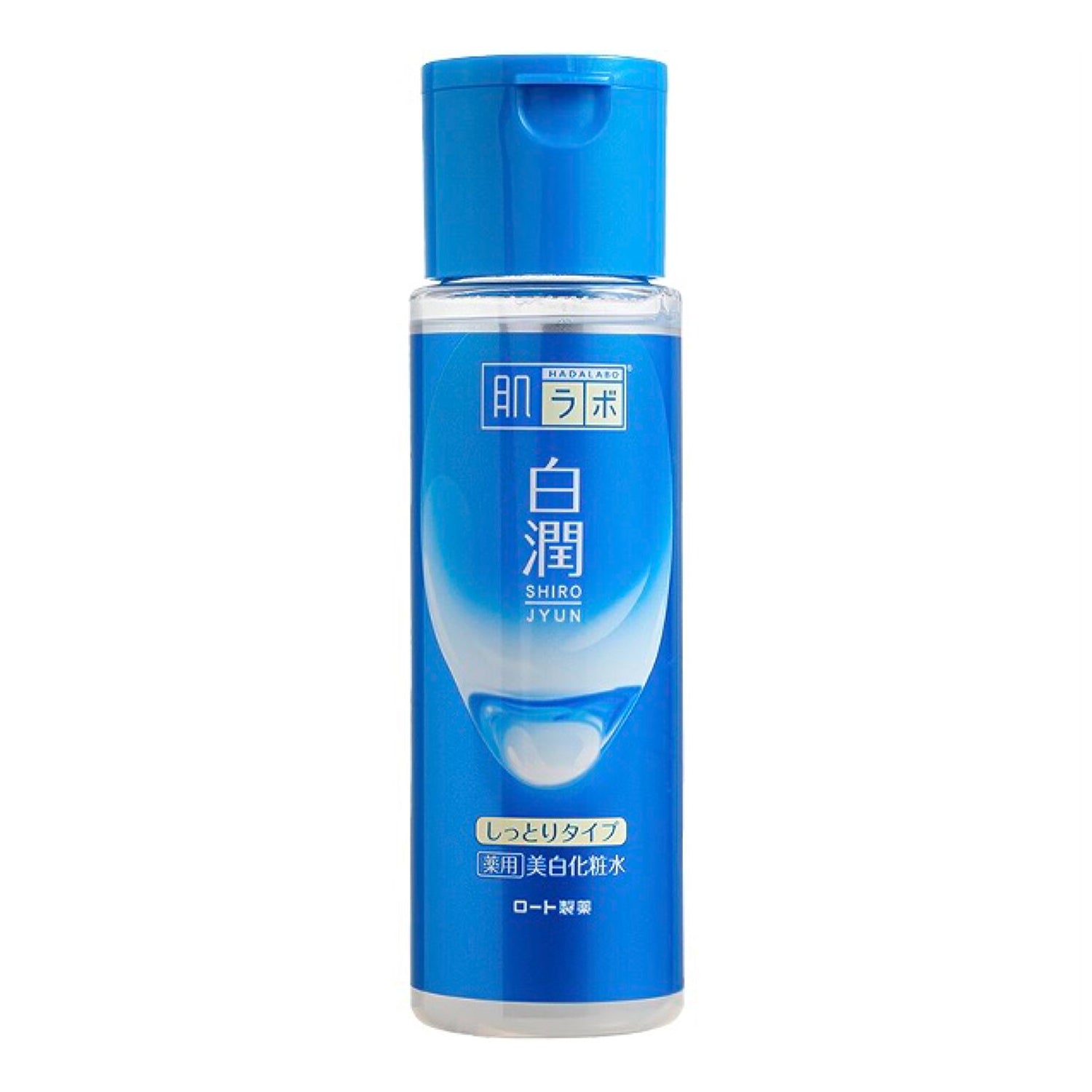
Rohto
Hada Labo Shirojyun Lotion Moist
Where to buy →
Hada Labo
Shirojyun Moisturizing Lotion Refill - 170ml
Where to buy →
Kiku-Masamune
Kiku-Masamune Sake Lotion Clear Moist
Where to buy →
Kiku-Masamune
Kiku-Masamune Sake Brewing Skin Care Lotion High Moist
Where to buy →
Kiku-Masamune
Kiku-Masamune Sake Moisturizing Cream
Where to buy →PDC
PDC Wafood Made Sake Kasu Face Pack
Where to buy →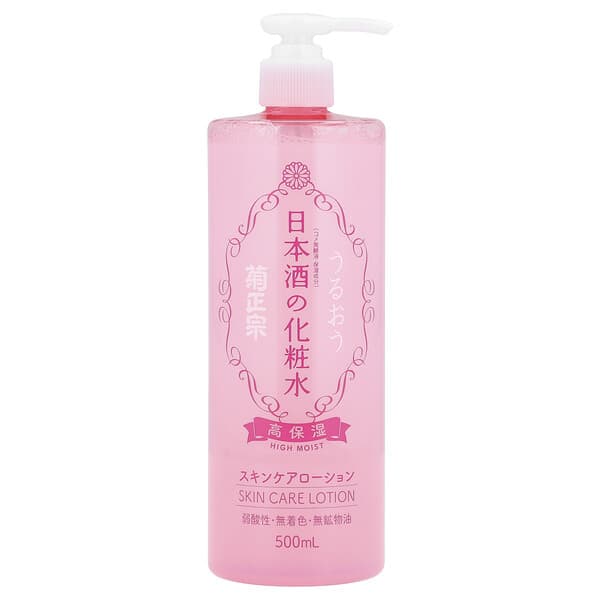
Kikumasamune
Kikumasamune Sake Lotion High Moist
Where to buy →Kikumasamune
Kiku-Masamune Sake Lotion Glossy Moist
Where to buy →Kikumasamune
Kiku-Masamune Sake Lotion Bright Moist
Where to buy →Kikumasamune
Kiku-Masamune Rice and Fermentation All in One Gel
Where to buy →
ASTALIFT