Japanese beauty explained
How to Read Japanese Skincare Labels: A Visual Guide for US Buyers
You ordered a Hada Labo Gokujyun Premium Lotion and the entire bottle is in Japanese. The front says 肌ラボ. The back is a wall of kanji. Somewhere on there it probably says how to use it, but you have no idea where to start.
This is the single biggest barrier for buyers getting into Japanese skincare. The products are excellent, the prices are reasonable, they ship to the US from dozens of retailers. But the packaging? All Japanese, no English, and Google Translate only gets you so far.
This guide breaks down exactly what you’re looking at on a Japanese skincare label, where to find the information you need, and the kanji and katakana terms worth memorizing so you can shop with confidence.
The Three Types of Japanese Text You’ll See
Japanese uses three writing systems, and you’ll see all of them on skincare labels:
Kanji (漢字): Characters borrowed from Chinese. These carry meaning. 化粧水 (keshōsui) means “lotion” (the characters translate to “cosmetic water”). Most product type names and ingredient descriptions use kanji.
Katakana (カタカナ): Angular, boxy characters used for foreign loanwords. This is your secret weapon. クリーム is “kurīmu” (cream). セラム is “seramu” (serum). エッセンス is “essensu” (essence). If you can read katakana, you can identify most product types on sight because Japanese cosmetics borrow heavily from English.
Hiragana (ひらがな): Rounded, flowing characters used for native Japanese words and grammar. You’ll see these connecting kanji or in usage instructions.
The good news: you don’t need to learn all three. Katakana alone covers a surprising amount of what’s on the label, and the kanji terms you need number fewer than 30.
Product Type: What Am I Holding?
The biggest confusion for English speakers is that Japanese product names don’t match Western expectations. “Lotion” means toner. “Milk” means lightweight moisturizer. Our product types guide covers this in detail, but here are the essential label terms:
Skincare Products
| Japanese | Reading | Meaning |
|---|---|---|
| 化粧水 | keshōsui | Lotion/toner (hydrating liquid, NOT a thick lotion) |
| 乳液 | nyūeki | Emulsion/milk (lightweight moisturizer) |
| 美容液 | biyōeki | Essence/serum |
| クリーム | kurīmu | Cream (moisturizer) |
| ジェル | jeru | Gel |
| オイル | oiru | Oil |
| 洗顔料 | senganryō | Face wash/cleanser |
| クレンジング | kurenjingu | Cleansing (makeup remover/first cleanser) |
| パック | pakku | Pack/mask |
| シートマスク | shīto masuku | Sheet mask |
Sunscreen Terms
| Japanese | Reading | Meaning |
|---|---|---|
| 日焼け止め | hiyakedome | Sunscreen |
| UVミルク | UV miruku | UV milk (matte finish sunscreen) |
| UVジェル | UV jeru | UV gel (lightweight, hydrating sunscreen) |
| UVエッセンス | UV essensu | UV essence (watery texture sunscreen) |
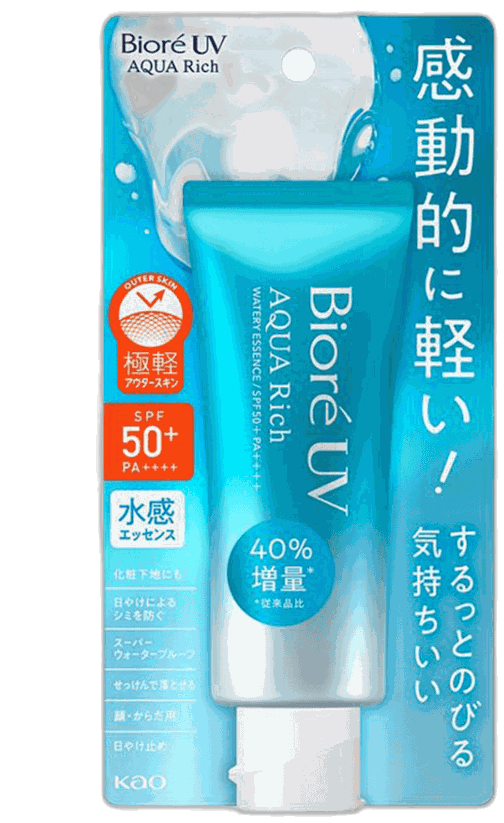
For example, when you look at a bottle of Biore UV Aqua Rich Watery Essence SPF50+/PA++++, the back label will say 日焼け止め (sunscreen) or UVエッセンス (UV essence). The SPF and PA ratings are always in Western numerals and letters, so those are easy to spot regardless of language.
Hair Care Terms
| Japanese | Reading | Meaning |
|---|---|---|
| シャンプー | shanpū | Shampoo |
| コンディショナー | kondishonā | Conditioner |
| トリートメント | torītomento | Treatment (hair mask/deep conditioner) |
| ヘアオイル | hea oiru | Hair oil |
The Three Product Categories (This Matters More Than You’d Think)
Japanese products fall into three regulatory categories, and the category is always printed on the label. This tells you more about the product than any marketing claim:
化粧品 (Keshōhin): Cosmetics
The majority of skincare products. These are general cosmetics with no specific therapeutic claims. Moisturizers, cleansers, basic sunscreens, and makeup all fall here.
医薬部外品 (Iyaku Bugaihin): Quasi Drugs
This is uniquely Japanese and important to understand. Quasi drugs contain government approved active ingredients at regulated concentrations. They can make specific claims (brightening, wrinkle improvement, acne prevention) that regular cosmetics cannot.
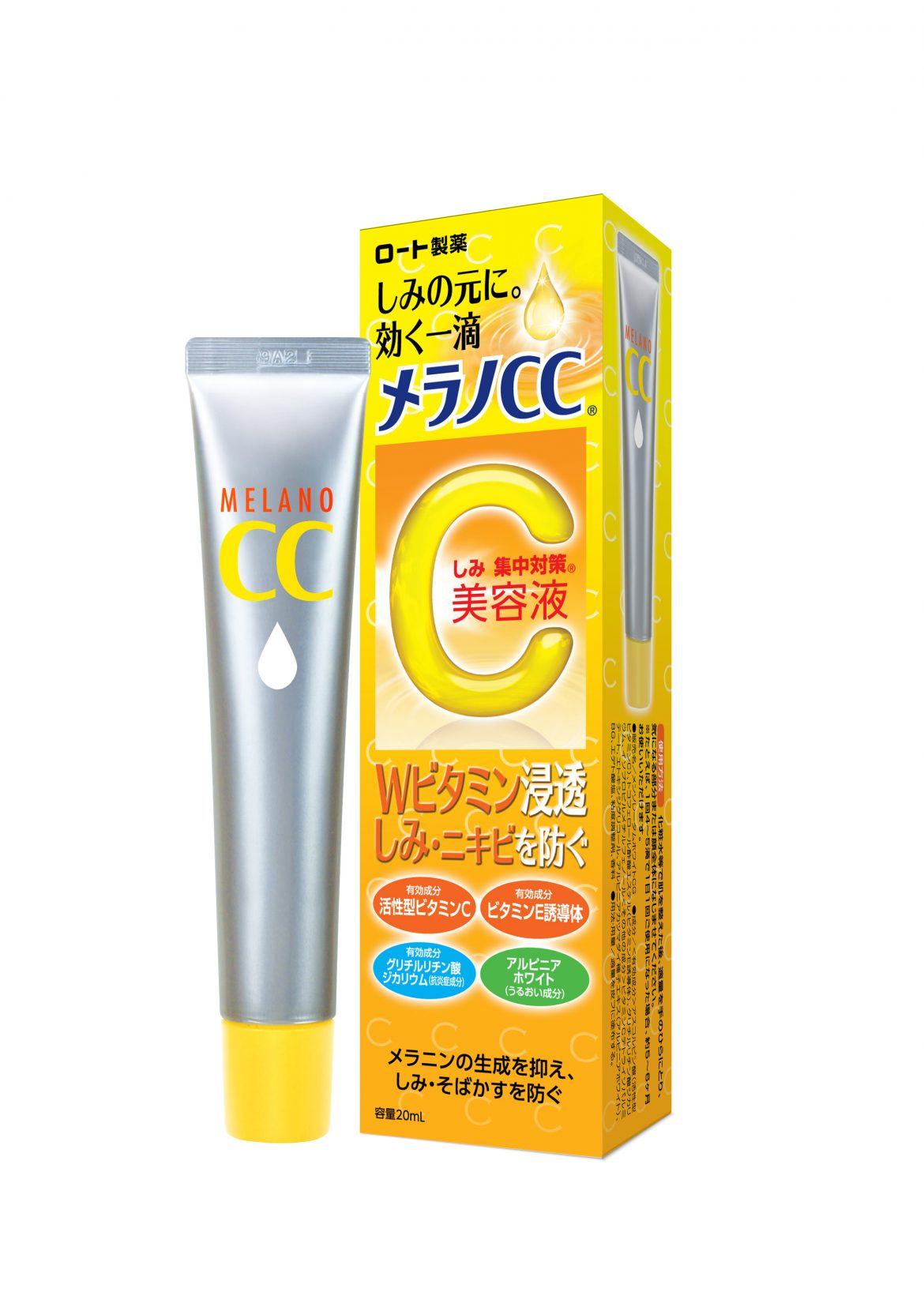
When you see 医薬部外品 on the label, the product has been reviewed by Japan’s Ministry of Health, Labour and Welfare (MHLW) and contains designated active ingredients. Products like Melano CC Intensive Measures Essence carry this designation because they contain regulated active ingredients like ascorbic acid (vitamin C) for brightening.
On quasi drug labels, the ingredient list is split into two sections:
有効成分 (yūkō seibun): Active ingredients. These are the regulated actives that earned the quasi drug designation. They appear first on the label.
その他の成分 (sonota no seibun): Other ingredients. Everything else in the formula.
This split is helpful because it tells you exactly which ingredients are doing the heavy lifting.
医薬品 (Iyakuhin): Pharmaceuticals
Actual drugs, sold in pharmacies. You won’t encounter these in normal skincare shopping, but medicated acne treatments or prescription creams fall here.
Reading the Ingredient List
Japanese ingredient lists follow the same general principle as Western ones: ingredients are listed from highest to lowest concentration (for ingredients above 1%). Below 1%, they can appear in any order.
Where to Find It
The ingredient list is almost always on the back of the product, preceded by 成分 (seibun, meaning “ingredients”) or 全成分 (zen seibun, meaning “full ingredients”). For quasi drugs, look for 有効成分 first, then その他の成分.
Common Ingredients in Japanese
Many ingredients use katakana and are recognizable if you sound them out:
| Japanese | Reading | English |
|---|---|---|
| ヒアルロン酸 | hiaruronsan | Hyaluronic acid |
| セラミド | seramido | Ceramide |
| コラーゲン | korāgen | Collagen |
| ビタミンC | bitamin C | Vitamin C |
| レチノール | rechinōru | Retinol |
| ナイアシンアミド | naiashin’amido | Niacinamide |
| グリセリン | guriserin | Glycerin |
| スクワラン | sukuwaran | Squalane |
| アルブチン | arubuchin | Arbutin |
| トラネキサム酸 | toranekisamu san | Tranexamic acid |
Kanji Ingredients Worth Knowing
| Japanese | Reading | English |
|---|---|---|
| 水 | mizu | Water |
| 油 | abura | Oil |
| 椿油 | tsubaki abura | Camellia oil |
| 米 | kome | Rice |
| 米ぬか | komenuka | Rice bran |
| 酒 | sake | Sake (rice wine) |
| 緑茶 | ryokucha | Green tea |
| 大豆 | daizu | Soybean |
Allergen and Sensitivity Terms
| Japanese | Reading | Meaning |
|---|---|---|
| アルコールフリー | arukōru furī | Alcohol free |
| 無香料 | mukōryō | Fragrance free |
| 無着色 | muchakushoku | No artificial colorants |
| パラベンフリー | paraben furī | Paraben free |
| 鉱物油フリー | kōbutsuyu furī | Mineral oil free |
Usage Instructions: How Often, How Much, When
Usage instructions are usually on the back, near the bottom. These kanji will help you decode them:
| Japanese | Reading | Meaning |
|---|---|---|
| 使用方法 | shiyō hōhō | How to use |
| 朝 | asa | Morning |
| 夜 | yoru | Evening/night |
| 毎日 | mainichi | Every day |
| 週 | shū | Week |
| 回 | kai | Times (as in frequency) |
| 適量 | tekiryō | Appropriate amount |
| 顔 | kao | Face |
| 目 | me | Eye(s) |
| 手 | te | Hand(s) |
| 肌 | hada | Skin |
| 塗る | nuru | Apply/spread |
| なじませる | najimaseru | Blend in/pat until absorbed |
| 洗い流す | arainagasu | Rinse off |
So when you see 朝と夜、適量を顔になじませてください, that’s “morning and evening, blend an appropriate amount into your face.”
A common instruction pattern on cleansers: 適量を手に取り、泡立ててから顔を洗い、水またはぬるま湯で洗い流してください means “take an appropriate amount in your hands, lather, wash your face, and rinse with water or lukewarm water.”
Skin Type Labels
Products marketed for specific skin types will have these terms prominently on the front:
| Japanese | Reading | Meaning |
|---|---|---|
| 乾燥肌 | kansōhada | Dry skin |
| 脂性肌 | shiseihada | Oily skin |
| 敏感肌 | binkanhada | Sensitive skin |
| 普通肌 | futsuuhada | Normal skin |
| 混合肌 | kongōhada | Combination skin |
| 全肌タイプ | zenhada taipu | All skin types |
| エイジングケア | eijingu kea | Aging care |
| 美白 | bihaku | Brightening/whitening |
| ニキビ | nikibi | Acne |
| 毛穴 | keana | Pores |
| しわ | shiwa | Wrinkles |
| シミ | shimi | Dark spots/pigmentation |
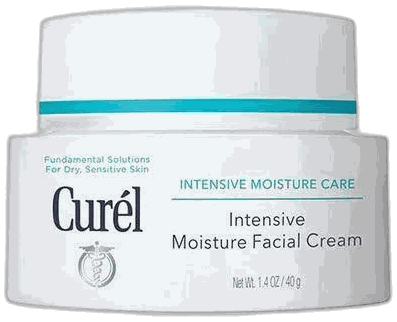
Curel products, for example, prominently display 乾燥性敏感肌 (kansōsei binkanhada, meaning “dry sensitive skin”) on their packaging. That’s a quick indicator that products like the Curel Intensive Moisture Facial Cream are formulated for compromised skin barriers.
Expiration Dates and Batch Codes
This trips up a lot of international buyers. Most Japanese skincare products don’t print an expiration date. Under Japan’s Pharmaceutical and Medical Device Act, products with a shelf life exceeding three years are not required to display one.
Instead, you’ll find a batch code (lot number) stamped or printed on the bottom or back, labeled ロット (rotto, “lot”) or 製造番号 (seizō bangō, “manufacturing number”). You can decode these using sites like CheckFresh.com or CheckCosmetic.net by entering the brand and code.
Some products do print dates:
- 使用期限 (shiyō kigen): Expiration date. Format is usually YYYY.MM or YYYY/MM/DD.
- 製造年月日 (seizō nengappi): Manufacturing date.
FANCL is a notable exception. They print expiration dates on everything because their products are formulated without preservatives and have shorter shelf lives. Once opened, most FANCL products should be used within 60 to 120 days.
For a deeper dive, see our expiration date guide.
Quantity and Size
| Japanese | Reading | Meaning |
|---|---|---|
| 内容量 | naiyōryō | Net contents/volume |
| mL | (same) | Milliliters |
| g | (same) | Grams |
| 枚 | mai | Sheets (for masks) |
| 個 | ko | Pieces/units |
| 本 | hon | Bottles/tubes |
The actual numbers are in Western (Arabic) numerals, so 内容量:170mL is straightforward once you know 内容量 means net volume.
Warning Labels and Cautions
| Japanese | Reading | Meaning |
|---|---|---|
| 注意 | chūi | Caution/warning |
| 使用上の注意 | shiyōjō no chūi | Usage precautions |
| 目に入らないように | me ni hairanai yō ni | Avoid contact with eyes |
| 異常がある場合は使用を中止 | ijō ga aru baai wa shiyō o chūshi | Discontinue use if irritation occurs |
| 直射日光を避けて保管 | chokusha nikkō o sakete hokan | Store away from direct sunlight |
| 高温多湿を避ける | kōon tashitsu o sakeru | Avoid high temperature and humidity |
| お子様の手の届かない所に | okosama no te no todakanai tokoro ni | Keep out of reach of children |
Smartphone Tools That Do the Work
You don’t need to memorize everything above. These tools handle the heavy lifting:
Google Translate (camera mode): Point your phone camera at the label and get instant overlay translations. Works well for large text like product names and usage instructions. Less reliable for tiny ingredient list text, but still useful for getting the gist. Free and already on most phones.
Google Lens: Similar to Translate camera but better at identifying products. Take a photo, and it can often match the product to English language results, reviews, or shopping pages. Also free.
Payke app: Specifically built for Japanese product barcodes. Scan the barcode and get product info in English, including ingredients and usage. Coverage varies by product but it’s worth having installed if you buy a lot of Japanese products.
INCIDecoder and CosDNA: Not translation tools, but once you have the INCI (International Nomenclature of Cosmetic Ingredients) list, these sites break down what each ingredient does. Many Japanese products list INCI names alongside or instead of Japanese names, especially on the brand’s website even if not on the physical packaging.
RatzillaCosme: The most comprehensive English language database of Japanese cosmetics. Search by brand or product name and you’ll often find full ingredient lists already translated. Covers hundreds of products across major brands.
Putting It All Together: Reading a Real Label
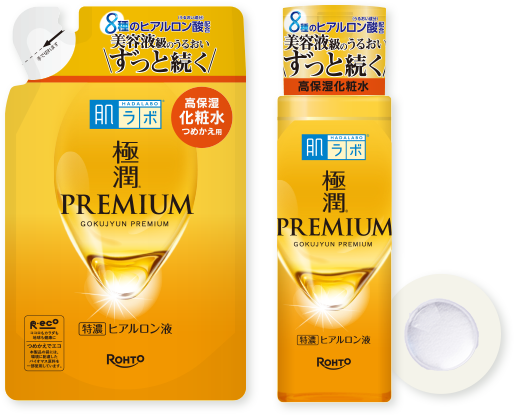
Let’s walk through what you’d see on a bottle of Hada Labo Gokujyun Premium Lotion:
Front of the bottle:
- 肌ラボ (Hada Labo, the brand name. 肌 means “skin,” ラボ is katakana for “lab”)
- 極潤プレミアム (Gokujyun Premium. 極潤 means “extreme moisture,” プレミアム is “premium”)
- 化粧水 (keshōsui, “lotion,” which in Japanese means hydrating toner)
Back of the bottle:
- 成分 or 全成分 (ingredients list)
- ヒアルロン酸 appears multiple times (different molecular weights of hyaluronic acid)
- 使用方法 (usage instructions): tells you to pat into skin after cleansing
- 内容量:170mL (net contents: 170mL)
- A batch code stamped on the bottom (no expiration date, because shelf life exceeds 3 years)
Just knowing five kanji terms (化粧水, 成分, 使用方法, 内容量, and 肌) lets you navigate this entire label.
Hada Labo
11 retailersSee retailers →
Quick Reference Cheat Sheet
Product Types
| Japanese | Meaning |
|---|---|
| 化粧水 | Toner / lotion |
| 乳液 | Emulsion |
| 美容液 | Serum / essence |
| クリーム | Cream |
| 日焼け止め | Sunscreen |
| 洗顔料 | Face wash |
| クレンジング | Makeup remover |
Label Sections
| Japanese | Meaning |
|---|---|
| 成分 | Ingredients |
| 使用方法 | How to use |
| 内容量 | Net volume |
| 注意 | Caution |
| 使用期限 | Expiration date |
Skin Concerns
| Japanese | Meaning |
|---|---|
| 美白 | Brightening |
| ニキビ | Acne |
| 毛穴 | Pores |
| しわ | Wrinkles |
| シミ | Dark spots |
| 敏感肌 | Sensitive skin |
| 乾燥肌 | Dry skin |
Quality Markers
| Japanese | Meaning |
|---|---|
| 医薬部外品 | Quasi drug (contains regulated actives) |
| 無香料 | Fragrance free |
| アルコールフリー | Alcohol free |
FAQ
Do all Japanese skincare products have ingredient lists?
Yes. Japanese cosmetics law requires full ingredient disclosure on packaging. Cosmetics (化粧品) list ingredients from highest to lowest concentration for those above 1%. Quasi drugs (医薬部外品) separate active ingredients (有効成分) from other ingredients (その他の成分). If a product you’re looking at doesn’t have an ingredient list, it may be a sample size, a promotional item, or not a legitimate Japanese cosmetic.
Can I just use Google Translate for everything?
Google Translate’s camera mode handles large text well but struggles with the tiny print on ingredient lists. It also sometimes mistranslates skincare specific terms. For example, it might translate 化粧水 as “cosmetic water” instead of the more useful “toner/lotion.” Use it as a starting point, then cross reference specific ingredients on INCIDecoder or RatzillaCosme.
What does PA++++ mean on Japanese sunscreens?
PA measures UVA protection (the rays that cause aging and pigmentation). The plus signs indicate strength: PA+ is some protection, PA++++ is the highest grade. This system is used across Asia and gives more detail than the Western “broad spectrum” label, which doesn’t indicate UVA protection level. For a full breakdown, see our PA rating guide.
Are ingredient lists on Japanese products the same as INCI lists?
Not always. Japan uses its own ingredient naming system set by the MHLW, which sometimes differs from the international INCI system used in the US and EU. However, many brands also provide INCI lists on their websites, and sites like RatzillaCosme and CosDNA cross reference Japanese ingredient names with their INCI equivalents.
How can I tell if a Japanese product is a quasi drug?
Look for 医薬部外品 printed on the front or back of the packaging. It’s usually near the product name or on the back near the ingredient list. Quasi drugs also have their ingredient list formatted differently, with active ingredients (有効成分) listed separately from other ingredients (その他の成分).