Japanese beauty explained
Sana Nameraka vs Hada Labo: Soy Isoflavones vs Hyaluronic Acid
Sana Nameraka Honpo and Hada Labo are two of the most affordable skincare lines in Japan, and both offer complete routines from cleanser to moisturizer for under $20 per product. But they solve completely different problems.
Nameraka Honpo is built around fermented soy milk and soy isoflavones. Hada Labo is built around hyaluronic acid. One targets early signs of aging and firmness. The other targets pure hydration. They overlap in price, in format, and in the way they line up product for product, but the ingredient philosophy behind each brand is nothing alike.
Here’s how they compare, which skin types benefit most from each, and whether it makes sense to combine them.
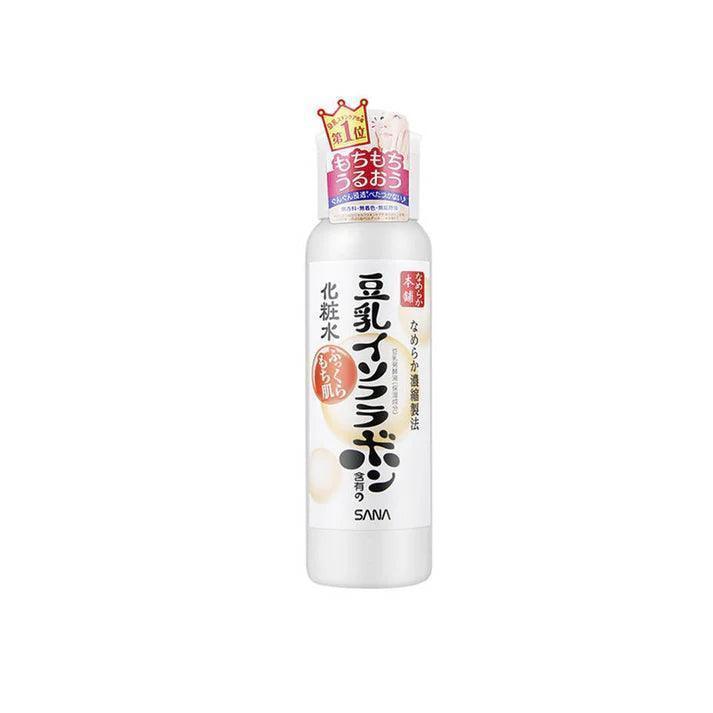
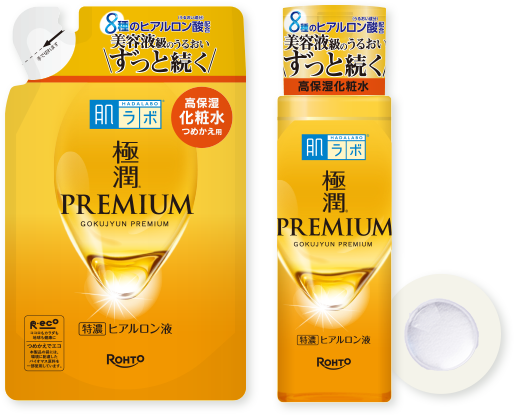
The Philosophy Gap: Soy Isoflavones vs Hyaluronic Acid
This is the core difference. Everything else follows from it.
Sana Nameraka Honpo: Soy Milk Ferment
Nameraka Honpo’s entire range is built on three soy derived ingredients: soymilk ferment filtrate, soy isoflavones, and soybean seed extract. Soy isoflavones are phytoestrogens, meaning they have a structure similar to human estrogen and can interact (weakly) with estrogen receptors in the skin.
What does that mean in practice? Soy isoflavones have been shown to support collagen production, improve skin elasticity, and help with firmness. Research published in PMC found that soy isoflavone supplementation improved skin hydration and reduced signs of photoaging, particularly in postmenopausal women whose natural estrogen levels had declined. The fermentation process used by Sana also produces amino acids and organic compounds that support the skin barrier.
The pitch: gentle, plant based anti aging through soy science. The wrinkle care line adds retinol and retinyl palmitate on top of the soy base for a more targeted approach.
Hada Labo: Hyaluronic Acid Layering
Hada Labo (made by Rohto Pharmaceutical) takes the opposite approach. Rather than targeting aging, it targets dehydration. The Hada Labo Gokujyun Premium Lotion uses multiple types of hyaluronic acid at different molecular weights, each designed to hydrate at a different depth. The Premium formula includes up to eight forms of HA (the count has increased with reformulations), from nano hyaluronic acid for deeper penetration to sodium hyaluronate crosspolymer for a moisture retaining network on the surface.
The pitch: layer your hydration, trap it in, and let your other products do the anti aging work. Hada Labo is not trying to firm or brighten. It’s trying to make your skin as hydrated as possible.
What This Means for You
If your main concern is dehydration, dullness from dryness, or you just need a hydrating base layer for your routine, Hada Labo is the more straightforward choice (see our full Hada Labo guide for product line details). If you’re noticing early loss of firmness, want to support your skin’s elasticity, or you’re drawn to a ferment based approach, Nameraka Honpo offers something Hada Labo does not (see our Sana Nameraka guide for the full product breakdown).
Full Line Comparison: Product by Product
Both brands follow the standard Japanese skincare lineup: cleanser → toner (lotion) → emulsion → cream/gel. Here’s how they match up.
Toners (Lotions)
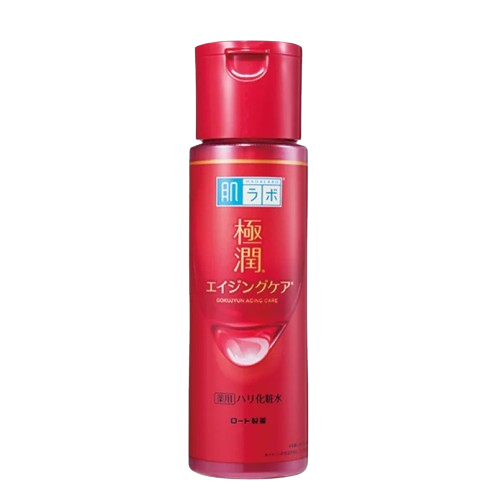
The Nameraka toners have a slightly milky, emulsion like texture thanks to the soy content. Hada Labo toners are clear to slightly viscous liquids. The Gokujyun Premium is notably thick and gel like compared to the lighter Nameraka equivalent. Both layer well, but Hada Labo is the better choice if you want to build up multiple thin layers of hydration (the “seven skins” method).
Cleansers
The Nameraka face wash has a creamy, lotion like consistency. Users on r/AsianBeauty have compared it to Senka Perfect Whip in texture, though the soy formula is generally considered gentler and less stripping. The Hada Labo foam cleanser is a straightforward, low pH foaming wash designed to cleanse without disrupting the moisture barrier.
Moisturizers and Gels
| Sana Nameraka | Hada Labo | |
|---|---|---|
| All in one gel | Sana Soy Milk Moisture 6 In 1 Gel Cream Moist | Hada Labo Gokujyun Perfect Gel |
| Cream | Soy Milk Moisture Cream NC | Hada Labo Gokujyun Premium Cream |
| Enriched gel | Sana Soy Milk Moisture 6 In 1 Gel Cream Enriched | Hada Labo Gokujyun Water Gel |
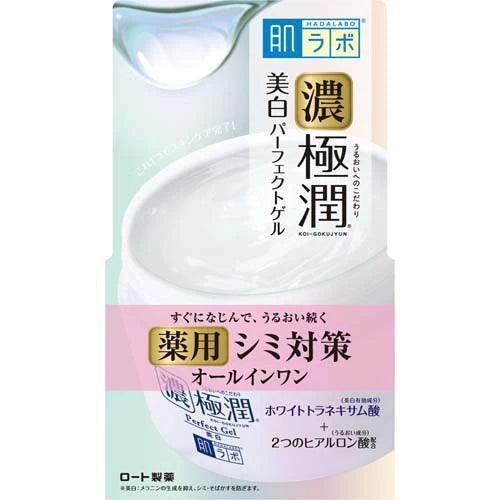
The Nameraka 6 in 1 Gel Cream is a versatile product that works as toner, serum, emulsion, cream, mask, and makeup base. It’s a solid choice for anyone who wants a minimal routine with soy benefits. The Hada Labo Gokujyun Perfect Gel serves a similar all in one role but with hyaluronic acid as the core hydrator. For a richer cream step, the Nameraka cream has a denser, more occlusive texture, while the Hada Labo Premium Cream is lighter and more gel like.
Eye Creams
| Sana Nameraka | Hada Labo | |
|---|---|---|
| Eye cream | Soy Milk Wrinkle Care Eye Cream N | Hada Labo Gokujyun Premium Hyaluronic Eye Cream |
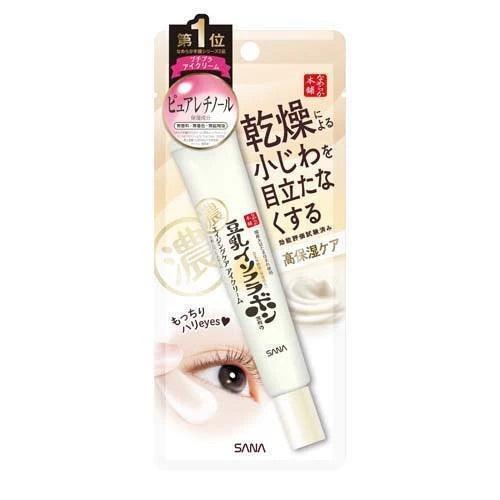
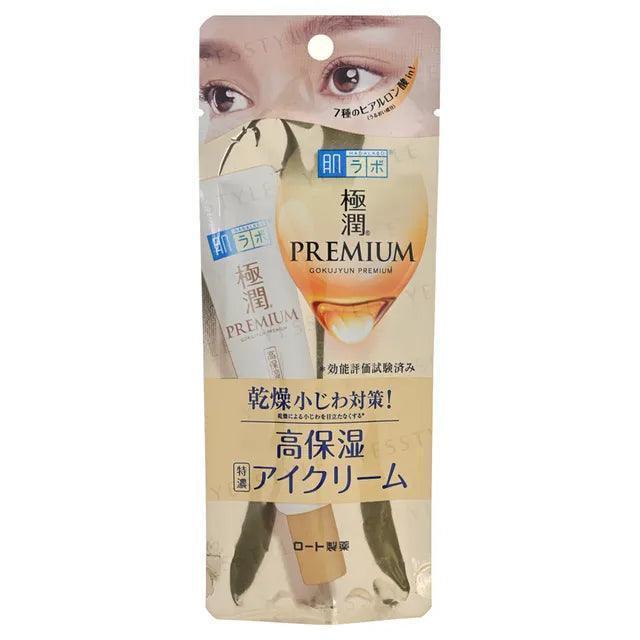
The Nameraka Wrinkle Care Eye Cream contains retinol plus soy isoflavones, targeting fine lines around the eyes with both immediate hydration and longer term firming. This is one of the standout products in the Nameraka range. The Hada Labo eye cream focuses purely on deep hydration for the under eye area.
Which Skin Types Benefit Most
Nameraka Honpo Works Best For
Skin in the 30s and beyond noticing early firmness loss. Soy isoflavones support skin elasticity in a way that pure hydrators do not. If your skin looks fine when it’s hydrated but seems to lose bounce and density as the day goes on, the soy approach targets that specific concern.
Sensitive skin that reacts to stronger anti aging actives. Retinol in the wrinkle care line is at a low concentration. Soy isoflavones are gentle. This is a good entry point for anti aging if your skin cannot tolerate high strength retinoids or vitamin C serums.
People who prefer a milky, emollient texture. Nameraka products have a soft, almost lotion like feel even in the toner step. If you find watery toners unsatisfying, this line has more body.
Hada Labo Works Best For
Dehydrated skin at any age. Whether you’re 20 or 50, if your skin needs water, Hada Labo delivers it efficiently. The multiple molecular weights of hyaluronic acid in the Premium formula mean hydration at every level of the skin.
Oily or combination skin that needs hydration without heaviness. The Gokujyun line is lightweight, layers without pilling, and doesn’t leave a greasy film. The Water Gel and Light formulas are especially good for oily skin types.
Routine builders who want a hydrating base. Hada Labo works as a first step that enhances everything applied after it. If you already have dedicated anti aging serums, vitamin C treatments, or niacinamide products, Hada Labo provides the moisture foundation without overlapping their function.
The Wrinkle Care Lines: Retinol + Soy vs Niacinamide + HA
Both brands have dedicated anti aging sub lines, but the active ingredient strategies are different.
Sana Nameraka Wrinkle Care
The Nameraka wrinkle care line (sometimes labeled “aging care” in English) adds pure retinol and retinyl palmitate to the standard soy isoflavone base. Products include Sana Soy Milk Wrinkle Care Lotion N, Sana Soy Milk Wrinkle Care Emulsion N, Sana Soy Milk Wrinkle Care Night Cream, and Soy Milk Wrinkle Care Eye Cream N.
The retinol concentration is on the lower end, which means less irritation but also a slower timeline for visible results. The combination of retinol with soy isoflavones creates a dual approach: retinol for cell turnover and fine line reduction, soy for firmness and elasticity support.
There’s also a Wrinkle Care White sub line that swaps in brightening actives alongside the retinol and soy: Sana Soy Milk Wrinkle Care Emulsion White, Sana Soy Milk Wrinkle Care Eye Cream White, and Sana Soy Milk Wrinkle Care Night Cream White. This targets dark spots and uneven tone in addition to fine lines.
Hada Labo Aging Care (Gokujyun Red)
The Hada Labo aging care line uses niacinamide as its key anti aging active alongside the hyaluronic acid base. Products include Hada Labo Gokujyun Aging Care Lotion, Hada Labo Gokujyun Aging Care Emulsion, and Hada Labo Gokujyun Aging Care Cream.
Niacinamide supports skin barrier function, helps with fine lines, and has brightening properties. It’s well tolerated by most skin types. The trade off is that niacinamide doesn’t have the same direct cell turnover effect as retinol. It’s a gentler, more broadly beneficial ingredient.
Which Wrinkle Care Line to Pick
Choose Nameraka wrinkle care if you want retinol in your routine but at a gentle, approachable level combined with soy firmness benefits. Choose Hada Labo aging care if you want niacinamide’s multi benefit approach with deep hydration as the base. If you already use a separate retinol product, the Hada Labo aging care line pairs better since stacking retinol from multiple products can increase irritation risk.
Brightening Lines: Soy Whitening vs Shirojyun
Both brands also offer dedicated brightening lines.
Nameraka’s Pure White line uses arbutin as its primary brightening active alongside soy isoflavones: Sana Soy Milk Pure White Lotion, Sana Soy Milk Pure White Serum, and Sana Soy Milk Pure White Emulsion. Arbutin is a melanin inhibitor that works gradually to reduce the appearance of dark spots.
Hada Labo’s Shirojyun line uses tranexamic acid as its key brightening active (covered in depth in our Hada Labo Shirojyun vs Melano CC comparison): Hada Labo Shirojyun Premium Whitening Lotion, Hada Labo Shirojyun Premium Milky Lotion, and Hada Labo Shirojyun Premium Brightening Cream. Tranexamic acid interrupts the melanin production process at an earlier stage than arbutin. The Premium version of Shirojyun includes hyaluronic acid alongside the tranexamic acid for combined hydration and brightening.
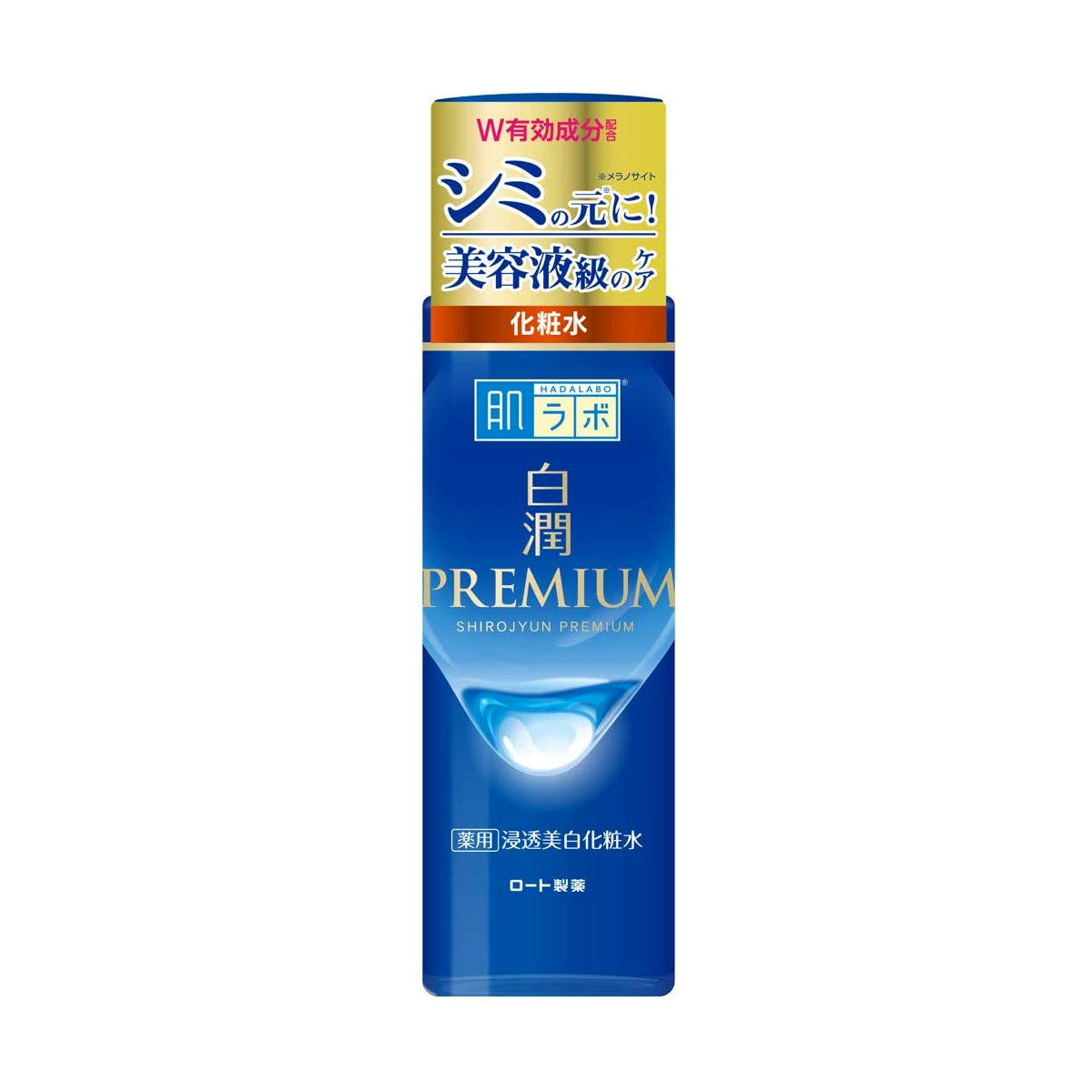
For stubborn hyperpigmentation, the Shirojyun tranexamic acid approach tends to show faster results. For overall tone evening with a gentler touch, the Nameraka arbutin and soy combination is a solid choice.
Ingredient Safety: Soy Isoflavones as Phytoestrogens
This comes up in every conversation about soy based skincare, so it’s worth addressing directly.
Soy isoflavones (primarily genistein and daidzein) are classified as phytoestrogens because their molecular structure resembles human estrogen, allowing them to interact weakly with estrogen receptors. This is what gives them their skin firming properties. It’s also what raises questions about safety.
The research context: The European Food Safety Authority (EFSA) has reviewed soy isoflavones and concluded that dietary intake at normal levels does not pose endocrine risks to healthy adults. The European Commission’s Scientific Committee on Consumer Safety (SCCS) reviewed their use in cosmetics and flagged the phytoestrogen mechanism as something to monitor, but the concentrations used in topical skincare products like Nameraka Honpo are well below thresholds of concern.
What this means practically: Topical application of soy isoflavones delivers far less systemic exposure than dietary soy intake (eating tofu, drinking soy milk). The amounts absorbed through the skin from a toner or moisturizer are minimal. Published studies on topical soy in dermatology journals have not identified significant safety concerns at cosmetic use levels.
Who might want to be cautious: Anyone with a soy allergy should avoid soy based skincare entirely. People with hormone sensitive conditions may want to consult a dermatologist before adding soy products to their routine, though the topical route delivers far less isoflavone exposure than dietary soy. For the general population, soy skincare products are considered safe by regulatory bodies in Japan, the EU, and the US.
Price and Value
Both lines sit in the same budget friendly range, which is part of their appeal. Most individual products from either brand fall between $10 and $18 for full size versions available through retailers.
Hada Labo tends to offer more refill options, which can bring the per use cost down further. The Gokujyun Premium Lotion refill is a particularly good deal. Nameraka products are slightly less widely available outside Japan but can be found through Japanese beauty specialty retailers and some major retailers.
Both brands offer significantly more product per dollar than mid range or luxury alternatives. A full Hada Labo routine (cleanser, toner, gel) can cost less than a single prestige moisturizer. The same is true for Nameraka. The budget angle makes it realistic to try products from both lines without a major commitment.
Building a Hybrid Routine: Using Both Together
Soy isoflavones and hyaluronic acid don’t conflict. They address different aspects of skin health, which means they can work together in the same routine.
Approach 1: Hada Labo as the Hydration Base, Nameraka for Targeted Concerns
Use Hada Labo Gokujyun Premium Lotion as your toner step for hydration, then follow with a Nameraka product for firmness or anti aging. The Soy Milk Wrinkle Care Eye Cream N works well as a targeted treatment after the Hada Labo toner, and the Soy Milk Moisture Cream NC can serve as the final moisturizing step to lock everything in.
Approach 2: Nameraka Base Routine, Hada Labo for Extra Hydration Days
Use the Nameraka line as your daily routine. On days when your skin feels particularly dehydrated (dry winter weather, post travel, after sun exposure), add the Hada Labo Premium Lotion before your Nameraka moisturizer for a hydration boost. The Hada Labo Gokujyun Perfect Gel also works as an overnight sleeping mask layered over Nameraka products.
Approach 3: Mix by Product Category
Pick the best performer from each brand at each step. For example: Hada Labo cleanser (less stripping) → Nameraka toner (soy benefits) → Hada Labo Premium essence → Nameraka cream (more occlusive). There are no ingredient conflicts between the two lines, so mix freely based on what your skin responds to.
How They Compare to Other Budget Options
Nameraka and Hada Labo aren’t the only budget Japanese skincare lines. Kiku-Masamune Sake Brewing Skin Care Lotion High Moist offers a ferment based approach similar in spirit to Nameraka but using sake instead of soy. For a more detailed comparison of Hada Labo vs Kikumasamune, see Kikumasamune vs Hada Labo.
Naturie Hatomugi Skin Conditioner is another popular budget toner in Japan, using pearl barley extract for lightweight hydration. And Curél offers a ceramide based approach for sensitive skin that complements either Nameraka or Hada Labo well as an additional barrier support step.
The bigger picture: Japanese drugstore skincare excels at doing one thing well per brand. Hada Labo does hydration. Nameraka does soy based firming. Melano CC does vitamin C. Biore does sunscreen. Building a routine from multiple affordable brands gives you targeted performance at each step rather than relying on one brand to do everything.
FAQ
Is Sana Nameraka the same as Nameraka Honpo?
Yes. Sana is a brand under Tokiwa Pharmaceutical Co., Ltd. Nameraka Honpo is the product line name within the Sana brand. You’ll see it labeled as “SANA Nameraka Honpo Soy Milk” on English language packaging. The full Japanese name is なめらか本舗 (Nameraka Honpo), which translates roughly to “smooth origin.”
Can I use Sana Nameraka and Hada Labo products in the same routine?
Yes. Soy isoflavones and hyaluronic acid target different skin concerns and don’t interfere with each other. A common approach is using Hada Labo for the hydration step and adding Nameraka products for firming or anti aging benefits.
Which brand is better for oily skin?
Hada Labo, particularly the Gokujyun Moist (not Premium) or the Water Gel. The lightweight, watery textures absorb quickly without adding oiliness. Nameraka products tend to have a slightly richer, more emollient texture that may feel heavy on oily skin, though the 6 in 1 Gel Cream in the Moist formula works for many skin types.
Are soy isoflavones in skincare safe during pregnancy?
The topical exposure from skincare products is far lower than dietary soy intake. However, because soy isoflavones are phytoestrogens, it’s reasonable to consult your healthcare provider if you have concerns. Many people continue using soy skincare during pregnancy without issues, but individual circumstances vary.
Where can I buy Sana Nameraka products Outside Japan?
Sana Nameraka products are available through Japanese beauty specialty retailers that ship to the US. Hada Labo tends to have wider US distribution, including through major retailers, but Nameraka availability has been growing steadily. Check our Sana Nameraka guide for more details on specific products and where to find them.
