Japanese beauty explained
How to Use Japanese Sheet Masks: Tips, Timing, and Common Mistakes
Japanese sheet masks are not a once a week treat. In Japan, sheet masking is a daily habit built into the routine the same way toner or moisturizer is. Bulk packs of 7, 28, or 50 masks from brands like Lululun and Kose make this affordable, and the lightweight formulations are designed for frequent use without overwhelming the skin.
This guide covers how to use them well: where they go in your routine, how long to leave them on, the Japanese lotion mask technique, and the mistakes that can undo the benefits.
Japanese Sheet Masks Are Different
If your experience with sheet masks is the thick, gel soaked single sachets from Western or Korean brands, Japanese masks will feel different.
Daily use is the default. Most popular Japanese sheet masks come in bulk resealable pouches, not individual packets. Lululun Pure Everys Pink Face Mask comes in a 36 pack. Kose Clear Turn Vitamin C Mask comes in a 30 pack. The price per sheet is low enough to use one every single day, and the formulations are designed for exactly that.

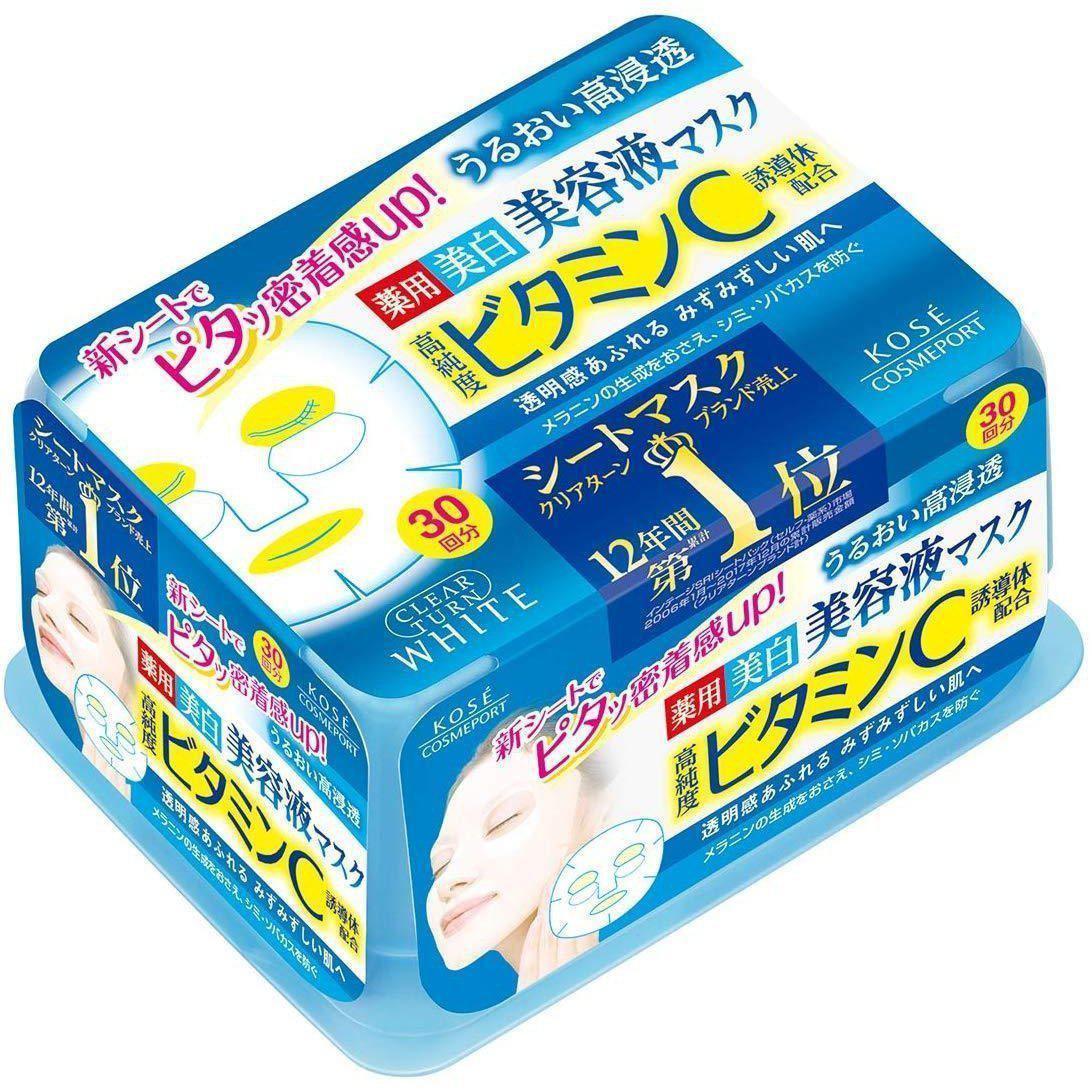
The essence is lighter. Japanese mask essences tend to be watery and humectant heavy, loaded with hyaluronic acid, ceramides, and fermented ingredients. They absorb cleanly and layer well under other products. You will not peel off a Japanese daily mask and feel like you need to wash your face.
The sheet material matters. Brands like Lululun engineer their mask sheets to stretch and grip, using microfiber or multilayer cotton instead of flat cellulose. Better contact with the skin means better absorption. A mask that slides around or gaps at the nose is not doing its job.
Where Sheet Masks Fit in Your Routine
This is the question that trips people up. The answer depends on the type of mask.
Daily hydrating masks (Lululun, Kose Clear Turn bulk packs, Hada Labo Koi-Gokujyun 3D Lift Perfect Mask) slot in after cleansing and toner. They replace your serum step, or act as a concentrated toner boost. Apply the mask, remove it, then go straight to moisturizer or cream to seal everything in.
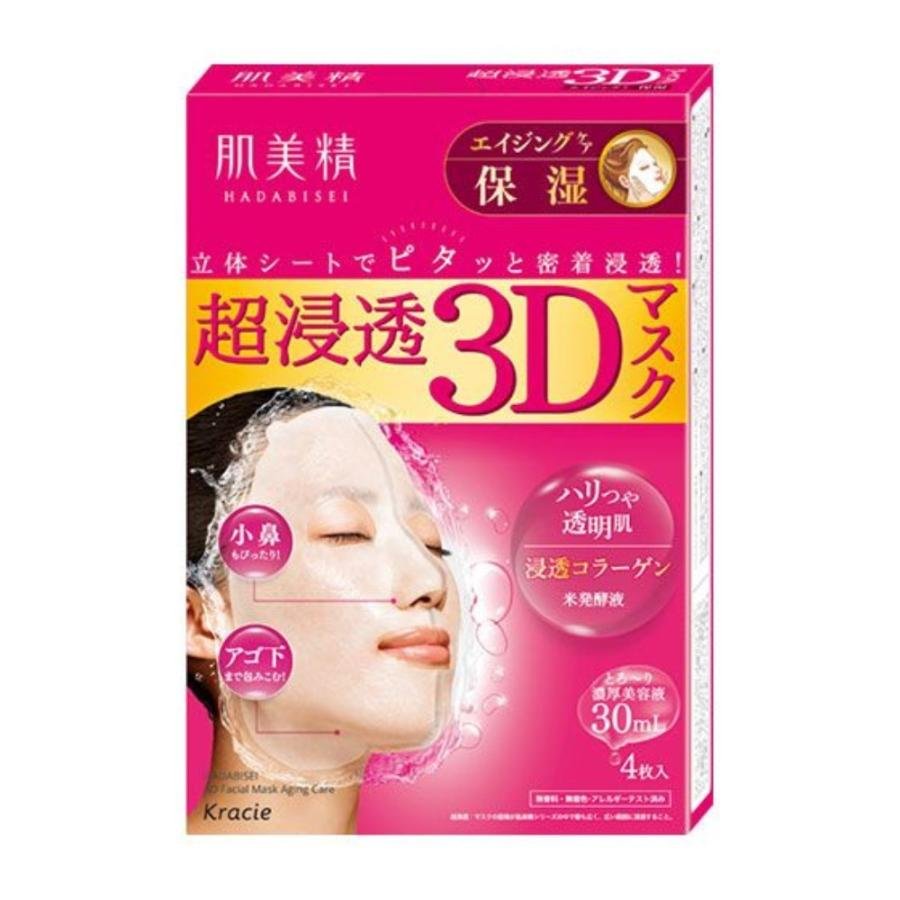
Treatment masks (SK-II Facial Treatment Mask, FANCL Brightening Mask, Kracie Hadabisei 3D Beauty Facial Mask (Aging Care)) are more potent and meant for one to three times a week. These also go after cleansing and toner, but because they contain higher concentrations of active ingredients, they can replace both your serum and essence steps.
Morning shortcut masks like Saborino Morning Sheet Mask are designed to replace your entire AM routine. Cleansing, toner, and moisturizer in one sheet. You peel one out of the pack, press it on for 60 seconds (realistically, give it three to five minutes), remove, and apply sunscreen.
BCL
0 retailersSee retailers →
The basic order:
- Cleanse
- Toner (optional if using a daily mask, since the mask delivers hydration directly)
- Sheet mask
- Eye cream (if you use one)
- Moisturizer or cream
- Sunscreen (AM only)
Skip the serum on mask days unless you are using a daily hydrating mask that is lighter than your serum. Layering a heavy serum under a mask, or immediately after one, can feel greasy and does not improve absorption.
For a full breakdown of how each step fits together, see Japanese Skincare Routine for Beginners.
How to Use a Sheet Mask: Step by Step
This sounds obvious, but small details make a real difference.
1. Start with clean, slightly damp skin
Wash your face. If you use toner, apply it first. Slightly damp skin absorbs the mask essence better than completely dry skin. If you are using a daily mask as your toner replacement, just cleanse and go straight to the mask.
2. Unfold carefully and position from the forehead down
Take the mask out of the pouch and unfold it gently. Start by aligning the forehead section, then smooth it down over the nose, cheeks, and chin. Press out air bubbles as you go. Most masks need a small adjustment around the nose to lay flat.
3. Leave it on for the recommended time
This is the part people get wrong most often. More is not better.
Daily masks: 5 to 15 minutes. Check the packaging. Lululun recommends 5 to 10 minutes. Kose Clear Turn bulk masks recommend 10 to 15. If the mask starts to feel dry at the edges before the time is up, remove it.
Treatment masks: 15 to 20 minutes. SK-II and Kracie Hadabisei are in this range. Some masks specify up to 30 minutes, but only if the sheet is still wet at that point.
Morning masks (Saborino): 60 seconds per the packaging, but three to five minutes is more realistic for absorption.
4. Remove and pat the remaining essence in
Peel the mask off. Do not rinse your face. There will be leftover essence on your skin, and that is the point. Pat it gently into your skin with your hands until it absorbs. If there is excess essence in the pouch, press the inside of the pouch onto the backs of your hands or your neck.
5. Seal with moisturizer
Apply your moisturizer or cream immediately after the essence absorbs. This locks the hydration in. Skipping this step is like hydrating your skin and then leaving the door open. The water evaporates.
The Japanese Lotion Mask Technique
This is a DIY alternative to sheet masks that has been popular in Japan for decades, popularized by beauty expert Chizu Saeki. It uses cotton pads soaked in Japanese lotion (toner) as a makeshift mask.
What you need:
- Thin, splittable cotton pads (Japanese brands like Silcot or Unicharm make pads designed for this)
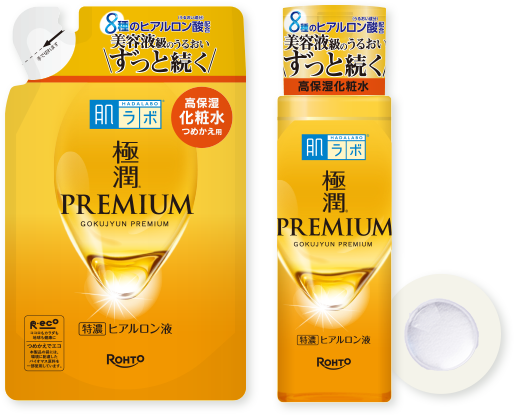
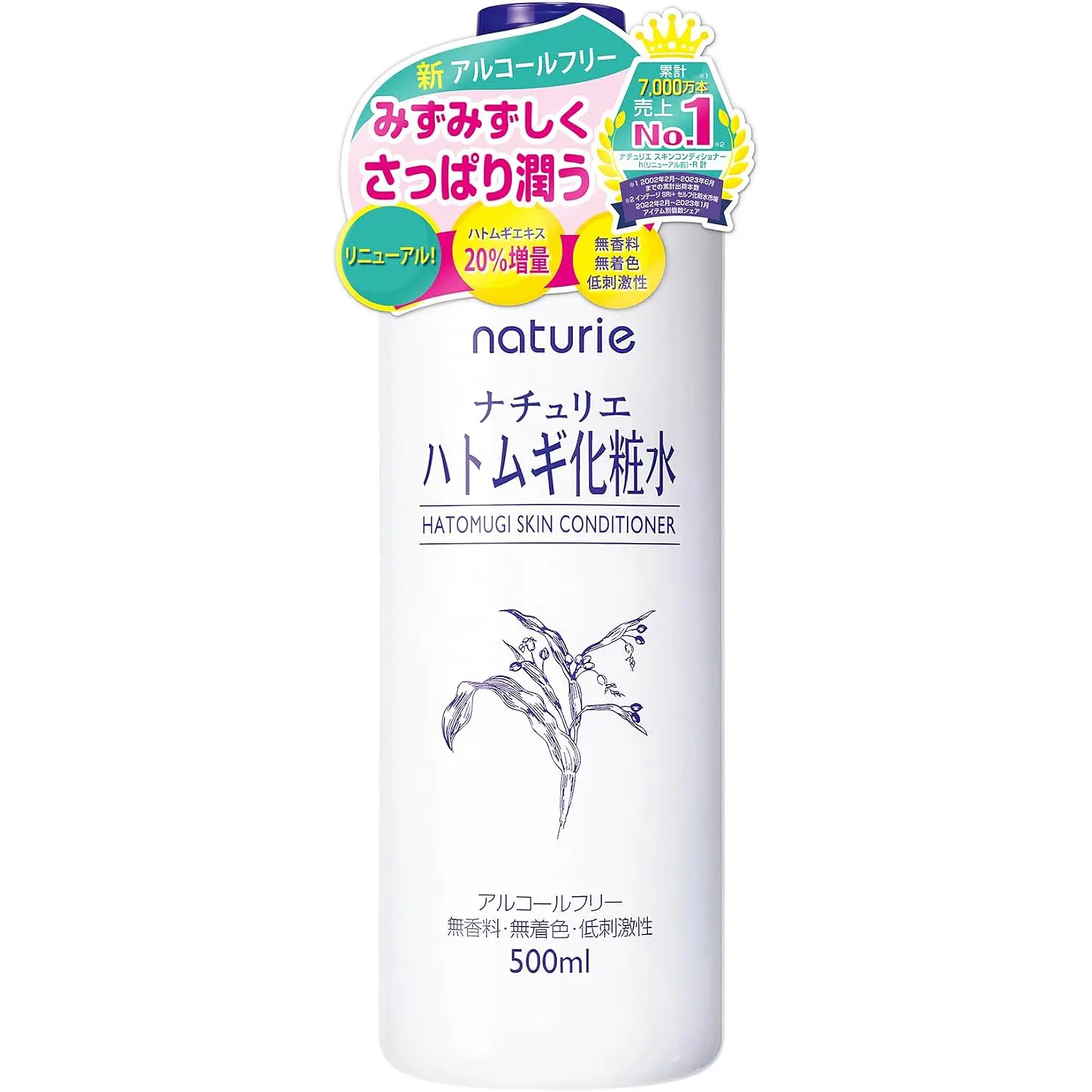
- A hydrating Japanese lotion: Hada Labo Gokujyun Premium Lotion, Naturie Hatomugi Skin Conditioner, or Kiku-Masamune Sake Brewing Skin Care Lotion High Moist all work well

How to do it:
- Soak three to five cotton pads with your lotion until saturated
- If using thick pads, peel each one into two or three thinner layers
- Place the soaked layers on your forehead, both cheeks, nose, and chin
- Leave for three to five minutes. No longer.
- Remove the pads and pat any remaining lotion into the skin
This technique is especially useful on days when your skin feels dehydrated but you do not want to use a full sheet mask. It is also more economical if you already own a large bottle of Japanese lotion. Kiku-Masamune’s 500ml bottle and Naturie’s 500ml Hatomugi are popular choices specifically because the generous size makes daily lotion masking affordable.
For a deeper guide on Japanese lotions and how to use them, see How to Use Japanese Lotion: The Toner That Confuses Everyone.
Daily Masks vs. Weekly Treatment Masks
These are different products with different goals. Using them interchangeably misses the point.
Daily masks
Purpose: Consistent hydration as a routine step. Think of these as your toner and serum in mask form.
Frequency: Every day, or as often as you like.
Formulation: Lightweight, humectant based. Hyaluronic acid, ceramides, amino acids. Low concentration of actives. Designed to be gentle enough for repeated use.
Examples:
- Lululun Pure Everys Pink Face Mask (balance, 36 pack)
- Lululun Precious White Clear Face Mask (brightening, 32 pack)
- Lululun Precious RED Face Mask (moisture, 32 pack)
- Kose Clear Turn Moist Charge Mask 50 Sheets (hydration, 50 pack)
- Kose Clear Turn Vitamin C Mask (brightening, 30 pack)
- Kose Clear Turn Hyaluronic Acid Mask (hydration, 30 pack)


Weekly treatment masks
Purpose: Targeted treatment for specific concerns like wrinkles, dullness, or loss of firmness.
Frequency: One to three times per week. Some are potent enough that daily use could irritate.
Formulation: Richer, thicker essences with higher concentrations of active ingredients. Retinol, vitamin C derivatives, niacinamide, Pitera, collagen. Often sold in smaller packs of 3 to 7.
Examples:
- SK-II Facial Treatment Mask (Pitera, brightening and texture, 1 per pack)
- FANCL Brightening Mask (brightening, 6 per box)
- Kracie Hadabisei 3D Beauty Facial Mask (Aging Care) (anti aging, 4 per box)
- Kracie Hadabisei Super Penetrating 3D Moist Face Mask (deep hydration, 4 per box)
- Utena Premium Puresa Golden Jelly Face Mask Collagen (firming, gel type)
- Shiseido Vital Perfection LiftDefine Radiance Face Mask (luxury anti aging)
- Minon Amino Moist Purupuru Sheet Mask (sensitive skin, amino acid hydration)

5 Common Sheet Mask Mistakes
1. Leaving the mask on too long
This is the most common mistake and the most counterproductive. When a sheet mask dries out on your face, it can start pulling moisture back out of your skin as the dry sheet absorbs whatever is left on the surface. A mask that was supposed to hydrate you ends up dehydrating you. Follow the time on the packaging. If the edges start drying before the timer is up, remove it. Ten minutes of a wet mask beats thirty minutes of a dry one.
2. Using a treatment mask every day
Daily use masks and treatment masks exist for a reason. Treatment masks with high concentration vitamin C, AHAs, or other potent actives can irritate or sensitize the skin if used daily. Save them for two to three times a week and use a gentle daily mask on the other days. If a mask makes your skin tingle, that is a sign it should not be an everyday product.
3. Skipping moisturizer after masking
A sheet mask delivers hydration, but it does not seal it in. Without a cream or moisturizer on top, the hydration evaporates. This is especially true in dry climates, air conditioned rooms, or during winter. Always follow your mask with an occlusive or emollient layer.
4. Masking on compromised skin
Open wounds, active breakouts, sunburned skin, over exfoliated skin: these are all situations where a sheet mask can make things worse. The essence can sting broken skin, and occluding an active breakout traps bacteria. Wait until your skin barrier is intact before masking.
5. Wrong routine order
Applying a sheet mask before cleansing, or layering one over a thick serum, blocks absorption. The mask essence needs direct contact with clean skin (or skin with only a light toner layer) to penetrate. If you layer the mask over a heavy cream, the essence just sits on top.
Best Japanese Sheet Masks by Goal
For full reviews of every mask mentioned here, see our Best Japanese Sheet Masks roundup. For a deep dive into the Lululun lineup specifically, see the Lululun Mask Guide.
For daily hydration
- Lululun Pure Everys Pink Face Mask: The entry point. Gentle, affordable, comes in a 36 pack. Good for all skin types.
- Kose Clear Turn Moist Charge Mask 50 Sheets: Best value. 50 sheets per bag with a ceramide and hyaluronic acid formula.
- Hada Labo Koi-Gokujyun 3D Lift Perfect Mask: 3D shape that fits the face closely. Loaded with hyaluronic acid.

For brightening
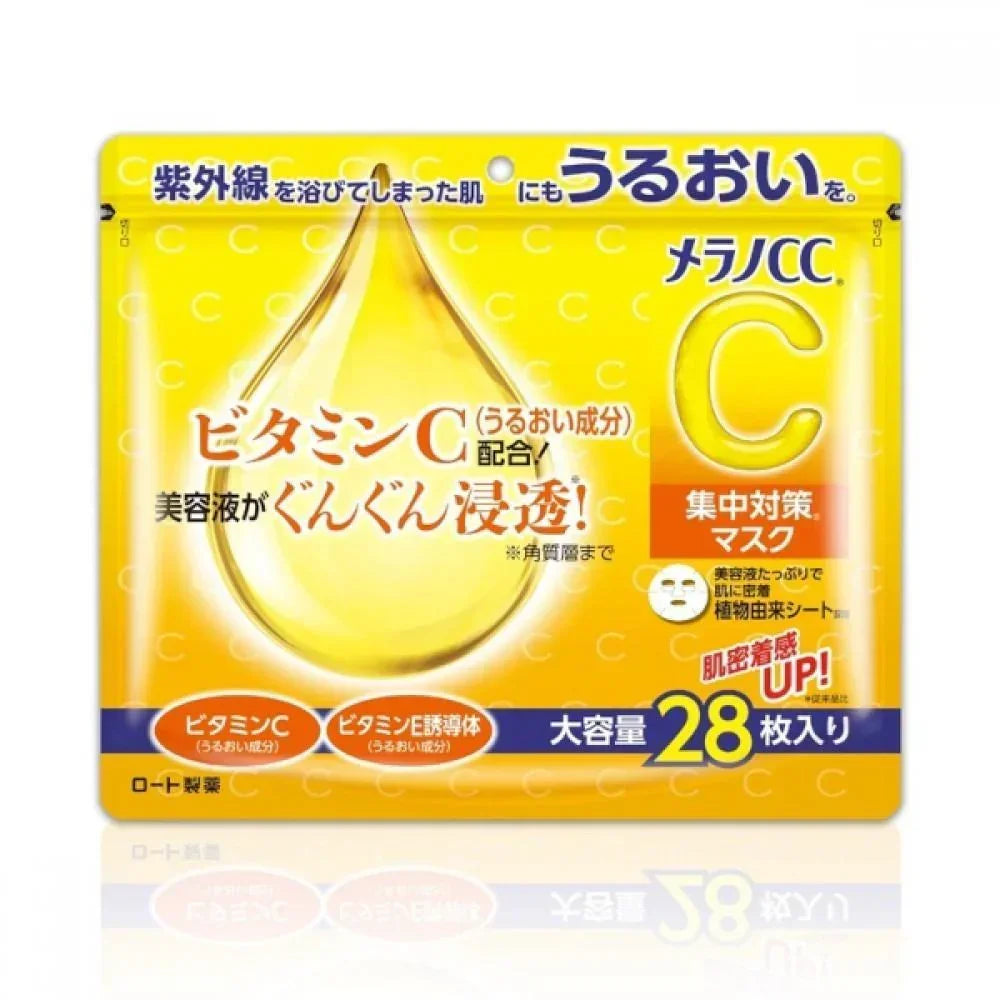
- Melano CC Vitamin C Mask: Vitamin C and vitamin E derivatives. Affordable, available in a 20 pack.
- Kose Clear Turn Vitamin C Mask: Budget bulk option with a stable vitamin C derivative (ascorbyl glucoside).
- Lululun Precious White Clear Face Mask: Daily brightening with a gentle formula safe for frequent use.
- FANCL Brightening Mask: Preservative free weekly treatment with stronger brightening actives.
For anti aging
- Kracie Hadabisei 3D Beauty Facial Mask (Aging Care): 3D fit with collagen and vitamin E for firming. Weekly use.
- Lululun Precious RED Face Mask: Daily option with camellia oil and moisturizing focus for mature skin.
- SK-II Facial Treatment Mask: Luxury Pitera treatment. Significant price per sheet, but the glow is real. Special occasion or weekly use.
- Shiseido Vital Perfection LiftDefine Radiance Face Mask: High end lifting and radiance treatment.

For soothing and sensitive skin
- Lululun Hydra EX Mask: Soothing formula focused on barrier support.
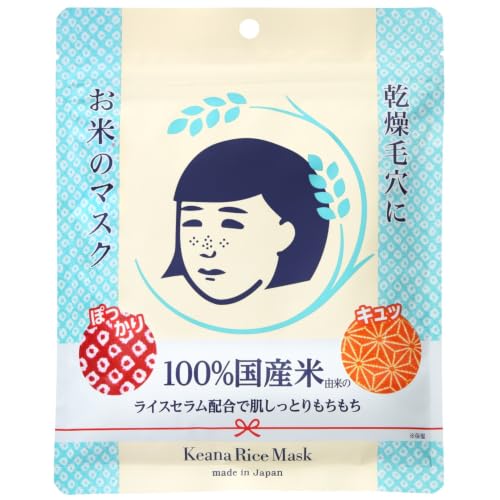
- Keana Nadeshiko Rice Mask: Rice bran extract for calming and pore care. Fragrance free.
- Minon Amino Moist Purupuru Sheet Mask: Nine types of amino acids for deep hydration without irritation. Designed for sensitive and dry skin.
- ALFACE Diamond Moisture Mask: Barrier strengthening formula with ceramides and hyaluronic acid. Free from alcohol, preservatives, and fragrance.

FAQ
Can you use a Japanese sheet mask every day?
Yes, if you are using a mask formulated for daily use. Lululun, Kose Clear Turn bulk packs, and similar daily masks are designed for frequent use with gentle, low irritation formulas. Treatment masks with stronger actives (retinol, high concentration vitamin C) should be limited to a few times a week.
Should you wash your face after using a sheet mask?
No. The essence left on your skin after removing the mask is still working. Pat it in and follow with moisturizer. Rinsing washes away the active ingredients you just spent 10 to 15 minutes absorbing.
Do you apply toner before a sheet mask?
It depends on the mask. For treatment masks, applying a light toner first can help the skin absorb the essence more effectively. For daily hydrating masks (which are essentially a toner and serum in one), you can skip toner and go straight from cleansing to masking. Check the instructions on your specific mask.
How long should you leave a Japanese sheet mask on?
Follow the time printed on the packaging, which is typically 5 to 15 minutes for daily masks and 15 to 20 minutes for treatment masks. The key rule: remove the mask while it is still wet. A dried out mask reverses the hydration benefit.
What is the difference between Japanese and Korean sheet masks?
Japanese masks tend to prioritize lightweight hydration, bulk daily use formats, and humectant heavy formulas. Korean masks more often come as single use sachets with thicker, more varied essences (snail mucin, propolis, tea tree) targeted at specific concerns. Neither approach is better. They reflect different masking philosophies: Japanese brands treat masking as a daily routine step, while Korean brands lean toward it as a weekly treatment.