Japan Trip Beauty Haul Guide: What to Buy at Japanese Drugstores in 2026
You’re going to Japan, and your suitcase is coming back heavier than it went out. That’s just how it works. Japanese drugstores carry some of the best skincare, haircare, and makeup in the world, often at a fraction of what you’d pay for them overseas. The trick is knowing what to prioritize.
This guide breaks down the best products to buy by category, where to shop, and how to get your favorites once you’re back home. Use the quick reference table below to screenshot for your trip, then read the full breakdowns for context on each pick.
Quick Reference: Your Japan Beauty Packing List
Why Buy Beauty in Japan?
Japanese drugstore products are cheaper in Japan. That probably sounds obvious, but the price gap is bigger than most people expect. Products that sell for $15 to $20 on retailers can run ¥700 to ¥1,000 (roughly $5 to $7) at a Japanese drugstore. The savings alone justify stuffing a suitcase.
Beyond price, there’s the selection factor. Many Japanese beauty products are Japan exclusive or get released there months before they reach international markets. Seasonal limited editions, regional Lululun masks, and new formulations from brands like Skin Aqua and Anessa often never make it overseas at all.
There’s also the freshness question. Products on Japanese drugstore shelves tend to have recent manufacture dates because turnover is high. When you buy Japanese sunscreen through a third party overseas, you occasionally get stock that’s been sitting in a warehouse. Buying in person removes that variable.
Sunscreen
Japanese sunscreens are the reason a lot of people get into J beauty in the first place. The textures are lighter, the finishes are more elegant, and the UV filters available in Japan include newer generation ingredients that aren’t approved for US sunscreens yet.
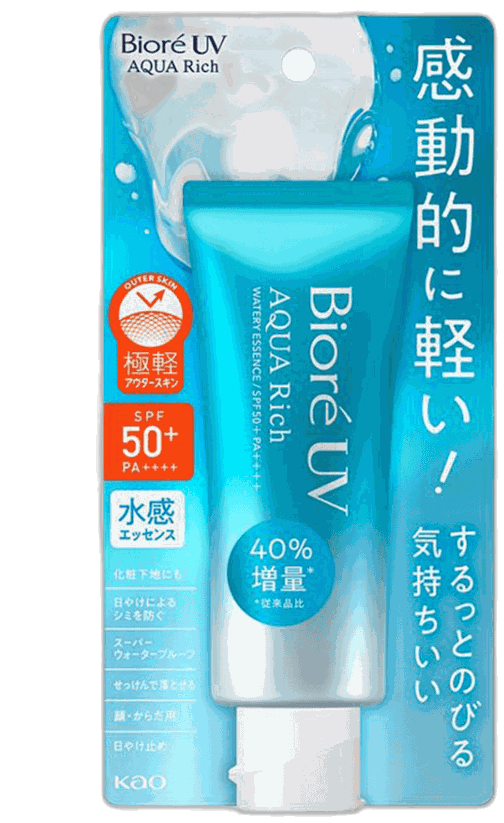
Biore UV Aqua Rich Watery Essence is the entry point for most people. It feels more like a lightweight moisturizer than a sunscreen, absorbs fast, layers well under makeup, and costs around ¥800 at any drugstore. It does contain alcohol, so if your skin is sensitive to that, keep reading.
Biore
12 retailersSee retailers →
Canmake Mermaid Skin Gel UV doubles as a makeup primer. The gel texture smooths over pores and creates a slightly dewy base. It’s alcohol free, which makes it a better option for dry or reactive skin types. It’s also one of the more affordable options at around ¥700.
Canmake
9 retailersSee retailers →
Anessa Perfect UV Sunscreen Skincare Milk is the premium pick. Anessa’s UV film technology strengthens with heat and moisture, which makes it ideal for humid Japanese summers or beach days. The texture is thicker than Biore’s and leaves a slightly more matte finish. It costs more (around ¥2,500 to ¥3,000) but the protection level is hard to beat.
Anessa
2 retailersSee retailers →
Skin Aqua UV Super Moisture Gel is the “apply it and forget it” option. The gel texture is incredibly lightweight, and the large pump bottle makes it easy to be generous with application. Community favorites for a reason.
Rohto
7 retailersSee retailers →
For sensitive skin, look at the Verdio UV line from OMI Brotherhood. The Verdio UV Tone Up Gel skips alcohol and fragrance, uses physical and chemical UV filters, and has a gentle, hydrating feel. It’s been gaining traction in the skincare community as a solid option for reactive skin.
For a deeper comparison, see our full Japanese sunscreen guide.
Cleansing
Oil cleansers are a J beauty staple, and buying them in Japan means getting larger sizes at better prices.
DHC Deep Cleansing Oil is the original cult favorite. It’s olive oil based, removes even waterproof sunscreen in one pass, and rinses clean without residue. The 200ml bottle is widely available and costs around ¥2,400 at drugstores. If you want to compare oil cleansers in depth, our review of the top Japanese cleansing oils covers the major options.
DHC
11 retailersSee retailers →
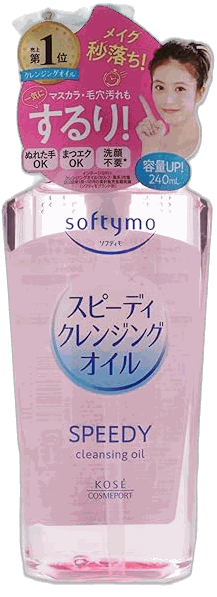
Kose Softymo Speedy Cleansing Oil is the budget alternative that r/AsianBeauty loves. It’s a mineral oil base, works fast, and costs less than half of DHC. The “Speedy” version emulsifies quickly, making it a good choice if you don’t like the feel of oil sitting on your face.
Kose
11 retailersSee retailers →
Kanebo Suisai Beauty Clear Powder Wash is a different kind of cleanser entirely. These are individually wrapped enzyme powder capsules that foam up with water. They’re excellent for smoothing texture and clearing out clogged pores without being harsh. A box of 32 capsules runs around ¥1,800 and is incredibly easy to pack. For more enzyme powder options, check out our enzyme cleanser comparison.
Kanebo
5 retailersSee retailers →
Shiseido Senka Perfect Whip is the drugstore face wash you’ll see stacked floor to ceiling at every Matsumoto Kiyoshi. It creates a dense, cushiony lather that feels satisfying to use. It’s a straightforward foaming cleanser at a very low price point. Some people find it slightly stripping, so it works best for normal to oily skin types.
Senka
9 retailersSee retailers →
Toner and Moisturizer
Japanese “lotions” are hydrating toners, and they’re the step in a J beauty routine that surprises most Western skincare users. They’re watery, layerable, and designed to prep your skin to absorb everything that follows.
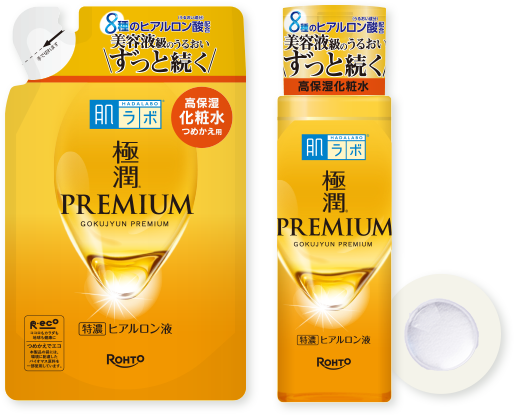
Hada Labo Gokujyun Premium Lotion is the gold standard. Seven types of hyaluronic acid in a thick, slightly viscous formula that makes skin feel plump and hydrated after just one layer. The premium version is richer than the original, and the refill pouches are extremely affordable (around ¥800 for 170ml). Stock up on refills while you’re there.
Hada Labo
13 retailersSee retailers →
Naturie Hatomugi Skin Conditioner is the high volume option. The 500ml bottle costs around ¥500 to ¥700, making it one of the best deals in Japanese skincare. The formula is lightweight and simple, mostly just hatomugi (job’s tears) extract and water. Great for layering or using as a body toner.
Naturie
12 retailersSee retailers →
Cezanne Skin Conditioner High Moist is the budget ceramide toner that the r/AsianBeauty community has been recommending for years. It contains ceramides, hyaluronic acid, and amino acids in a large 500ml bottle for under ¥1,000. If your skin leans dry and you want barrier support without spending a lot, this is the pick.
Cezanne
2 retailersSee retailers →
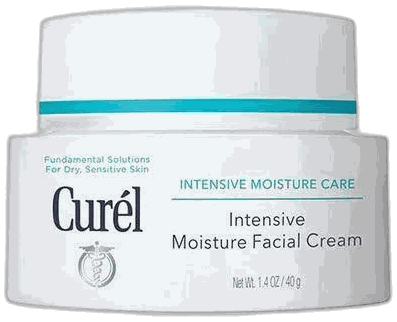
Curel Intensive Moisture Facial Cream is for sensitive skin that needs a proper moisturizer, not just a toner. Curel’s pseudo ceramide technology is designed for compromised skin barriers, and this cream is fragrance free, alcohol free, and about as gentle as moisturizers get. It’s pricier than drugstore average but still cheaper in Japan.
Curel
6 retailersSee retailers →
Serums and Treatments
Melano CC Intensive Measures Essence is the vitamin C serum that shows up in almost every Japan beauty haul on Reddit. It’s a stable, oil based vitamin C formula in a tube with a dropper tip that dispenses one drop at a time. The texture is oily but absorbs well, and the tube format means it stays potent longer than most vitamin C serums. Around ¥1,000 at drugstores.
Rohto
3 retailersSee retailers →
Rohto Melano CC Vitamin C Premium Essence is the upgraded version with higher concentration vitamin C plus added pyridoxine (vitamin B6) and allantoin. If you’ve used the original and want more intensity, this is the step up. For a full comparison, see our Melano CC guide.
Rohto
3 retailersSee retailers →
Sheet Masks
Sheet masks are one of the best value buys in Japan because they’re light, packable, and significantly cheaper there.
Lululun Pure Everys Pink Face Mask is Lululun’s daily use mask. The 36 pack costs around ¥1,500 at drugstores, which works out to roughly ¥40 per mask. The formula is simple hydration focused, and the sheet fit is one of the better ones on the market. Lululun also makes regional limited editions (Hokkaido lavender, Setouchi lemon, Kyoto green tea) that are only sold in specific parts of Japan, making them great souvenirs. For the full breakdown, see our Lululun mask guide.
Lululun
2 retailersSee retailers →
Saborino Morning Sheet Mask is designed for mornings when you’re short on time. It combines toner, serum, and moisturizer in a single 60 second mask. The menthol tingle wakes you up, and you can skip several morning skincare steps. The 28 pack is around ¥1,300.
BCL
0 retailersSee retailers →
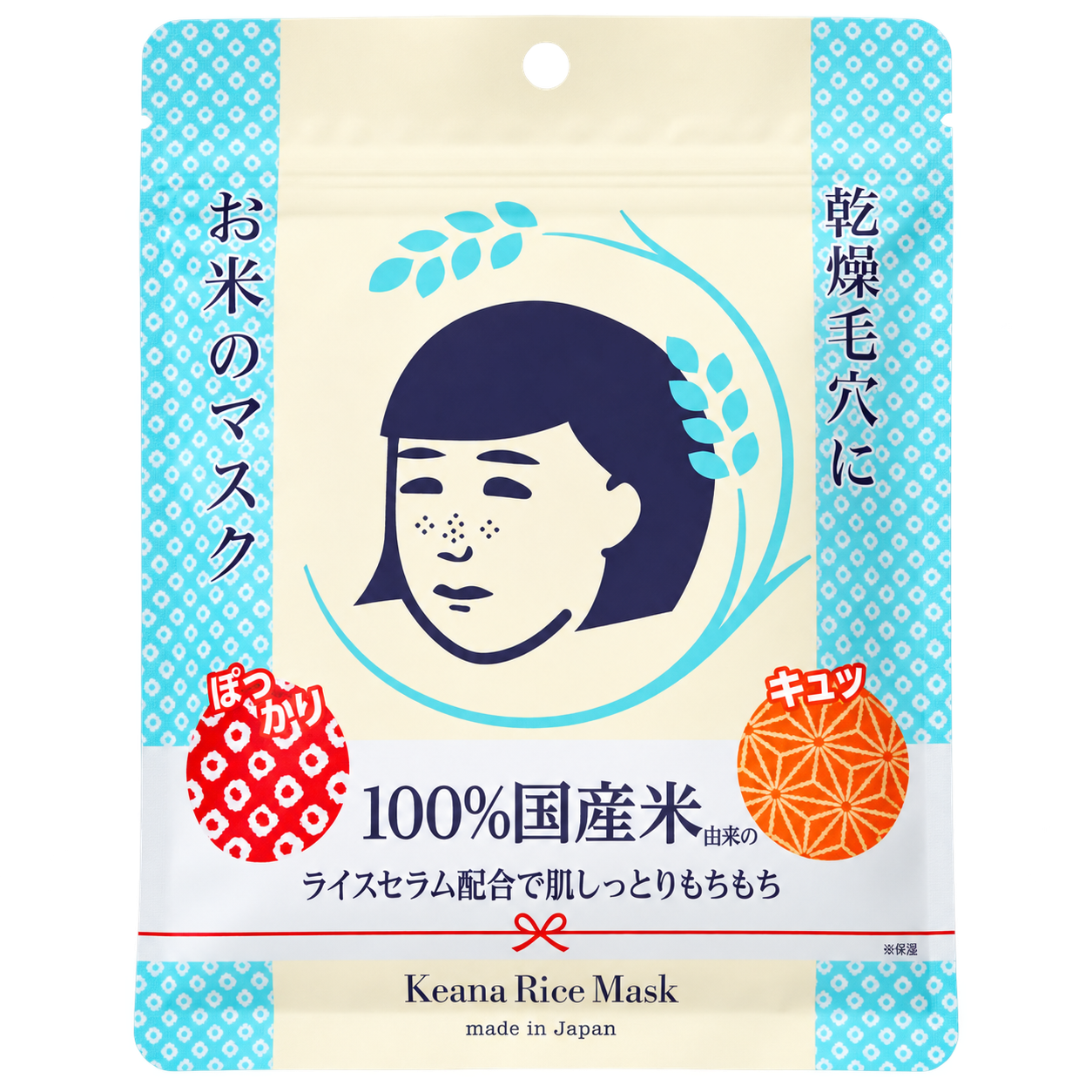
Keana Nadeshiko Rice Mask is formulated with Japanese rice derived ingredients (rice ferment filtrate, rice bran oil, rice bran extract) to brighten and tighten pores. It’s a five minute mask that leaves skin feeling noticeably smoother. A 10 sheet box runs around ¥700. Look for it at Matsumoto Kiyoshi or Don Quijote.
Ishizawa
1 retailerSee retailers →
Hair Care
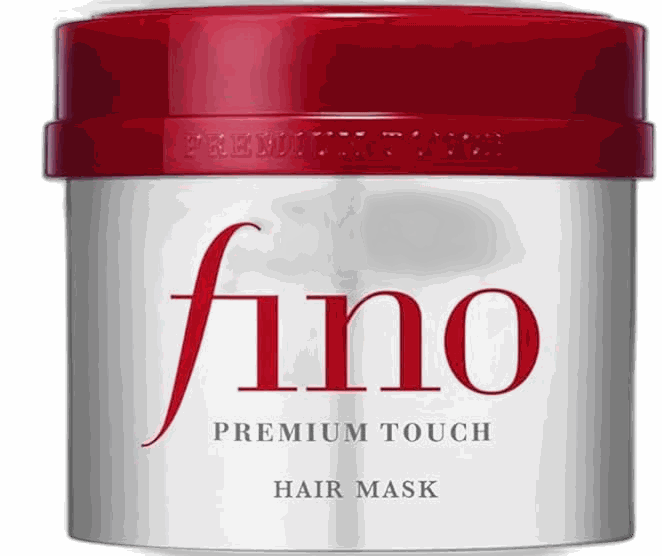
Fino Premium Touch Penetrating Essence Hair Mask is arguably the most famous Japanese hair product worldwide. The rich, honey like texture coats damaged hair and leaves it silky after just a few minutes. A single tub (230g) costs around ¥700 to ¥900 and lasts months because you only need a small amount per use. Buy two. For a deeper look, see our Fino hair mask review and the full best Japanese hair treatment roundup.
Fino
6 retailersSee retailers →
Tsubaki Premium Repair Shampoo is Shiseido’s drugstore hair line, and the Premium Repair version is the standout. It contains camellia oil and amino acids to repair damage without weighing hair down. The matching Tsubaki Premium Repair Conditioner rounds out the set. For a head to head comparison, check our Tsubaki vs Fino breakdown.
Tsubaki
1 retailerSee retailers →
Makeup
Japanese drugstore makeup punches well above its price point. Most of these are under ¥1,000 and perform comparably to mid range Western brands.
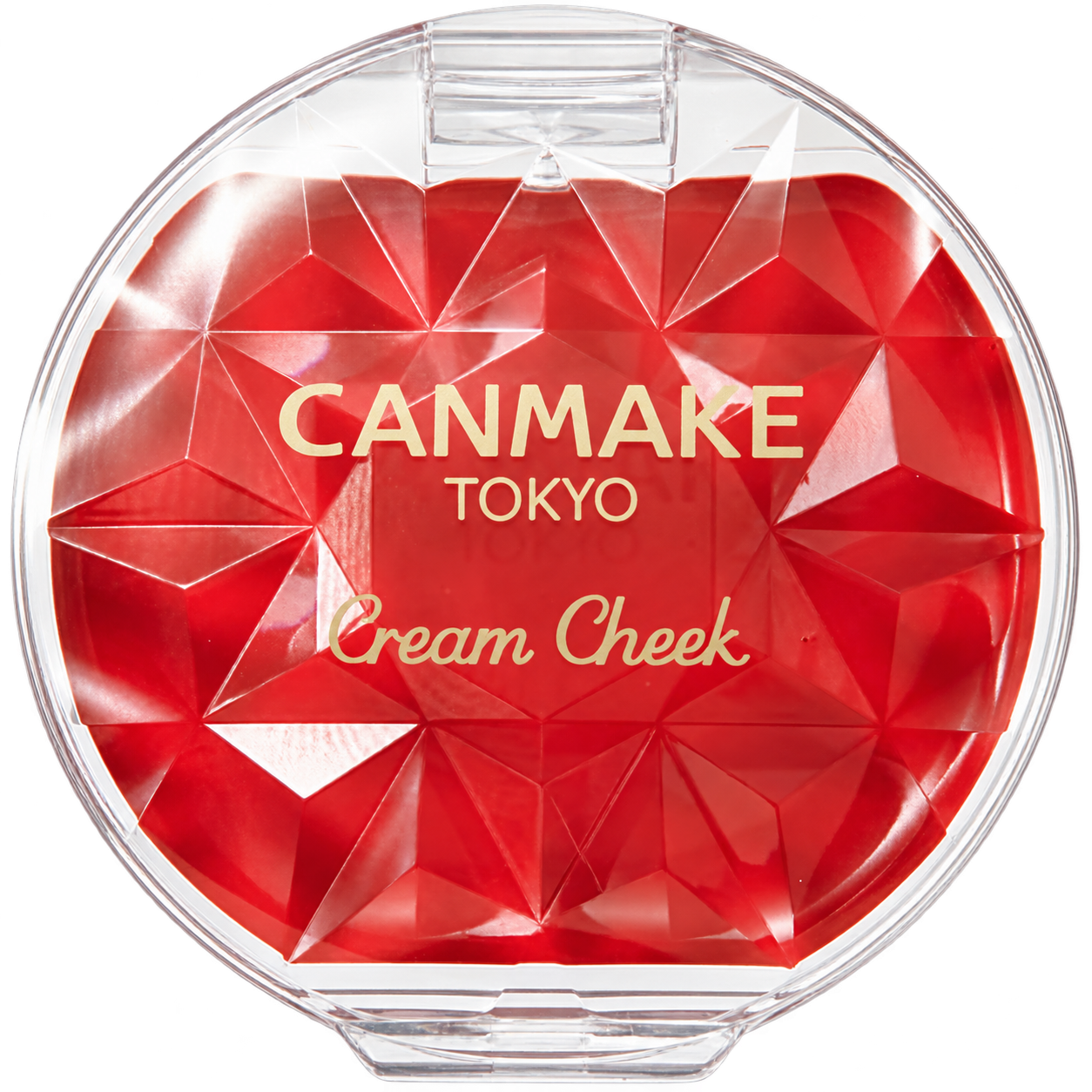
Canmake Cream Cheek is a gel type blush that melts into skin and builds from a sheer wash of color to a vivid pop. It starts dewy and sets to a natural finish that lasts. The compact is tiny, which makes it ideal for travel. Around ¥600.
Canmake
7 retailersSee retailers →
Kate Lip Monster is the lip product that went massively viral in Japan. The transfer proof formula stays put through eating and drinking without drying your lips out. The shade range leans toward muted, flattering tones that work across skin tones. Around ¥1,500.
Kate
0 retailersSee retailers →
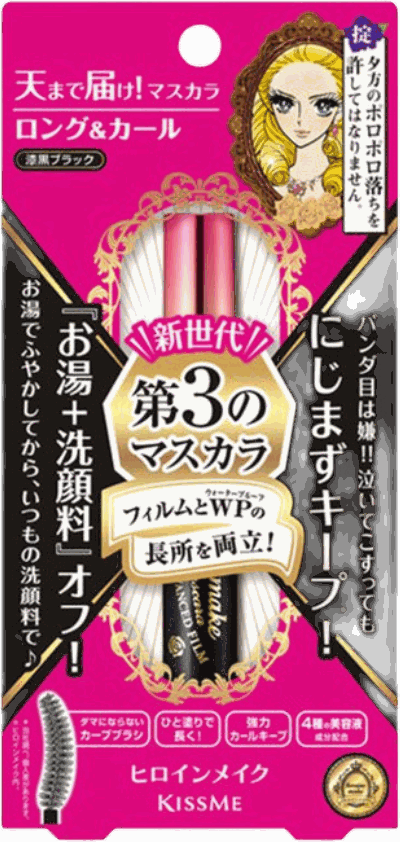
Heroine Make Long & Curl Mascara Super WP from KissMe is the waterproof mascara that survives Tokyo humidity, onsen steam, and emotional movies. It holds a curl all day and removes cleanly with a dedicated mascara remover (the Heroine Make Speedy Mascara Remover is worth picking up alongside it). Around ¥1,200.
KissMe
1 retailerSee retailers →
Canmake Marshmallow Finish Powder is a pressed setting powder that creates a soft focus, matte finish without looking cakey. It contains SPF and comes in multiple shades. This is one of Canmake’s best sellers for a reason.
Cezanne Pearl Glow Highlight is the ¥600 highlighter that rivals formulas three times its price. The finely milled shimmer gives a natural, wet look glow without chunky glitter. The “Champagne Beige” shade works on a wide range of skin tones.
Canmake Creamy Touch Liner is a gel eyeliner with a 1.5mm tip thin enough to draw between individual lashes. Waterproof, smudge proof, and around ¥700.
Kate Designing Eyebrow 3D is a three shade eyebrow palette with a nose shadow shade. It’s one of the most repurchased eyebrow products in Japan and costs around ¥1,200.
Where to Shop
Not all Japanese drugstores are created equal. Here’s where to spend your time.
Matsumoto Kiyoshi (マツモトキヨシ) is the most well known drugstore chain for tourists. Locations in major shopping districts (Shibuya, Shinjuku, Harajuku, Shinsaibashi) carry a wide beauty selection and offer tax free shopping for purchases over ¥5,000. The downside: tourist heavy locations can be crowded, and some stores spread across multiple floors with no elevator.
Don Quijote (ドン・キホーテ) is the chaotic, 24 hour discount store that carries everything from snacks to electronics to beauty products. Prices are competitive and many locations are open late, which is useful if your shopping schedule doesn’t align with regular drugstore hours. The beauty section is usually packed floor to ceiling with limited organization, so know what you’re looking for before you go in.
Welcia (ウエルシア) is a local favorite that tourists often overlook. The beauty selection is strong, especially for makeup, and the stores are less crowded than Matsumoto Kiyoshi. Some locations are open 24 hours.
@cosme Tokyo in Harajuku is a beauty specialty store based on Japan’s largest beauty review platform. It’s organized by @cosme rankings, so you can easily find the top rated products in every category. Good for discovery, though prices are standard retail (no discounts).
Loft and Tokyu Hands are lifestyle stores with curated beauty sections. They carry a mix of drugstore and mid range brands, plus exclusive collaborations and limited editions you won’t find at regular drugstores.
Bic Camera and Yodobashi Camera are electronics megastores that also have surprisingly large beauty floors. Their tax free process is straightforward (one stop for all your purchases), and the selection rivals dedicated drugstores.
Convenience stores (konbini) carry travel size versions of popular products and sometimes exclusive collaborations. Hada Labo travel sets and Biore sunscreen minis are common finds at Family Mart, Lawson, and 7-Eleven.
Tax Free Shopping Tips
Foreign visitors can shop tax free (10% off) on consumable goods at most drugstores and department stores when spending over ¥5,000 at a single store. Bring your passport. Some stores have dedicated tax free counters; others process it at the register. Tax free items are sealed in a bag that you’re not supposed to open until you leave Japan. Note: from November 2026, Japan is switching to a refund based system where you pay full price and claim the tax back at the airport before departure. The sealed bag requirement will be removed under the new system.
How to Get These Products Outside Japan
Ran out of your haul? Most of the products in this guide are available from international retailers.
Check the product pages linked above for retailer options. Major options include Amazon (watch for third party seller authenticity), Biore and DHC direct US stores, and specialty J beauty retailers that ship domestically.
For a complete breakdown of where to buy Japanese skincare and how to avoid fakes, see our buying guide.
FAQ
How much should I budget for a beauty haul in Japan?
A solid haul of 10 to 15 products typically runs ¥10,000 to ¥20,000 ($65 to $130 USD), depending on whether you stick to drugstore or include mid range picks like Anessa sunscreen. That same haul would cost roughly double through retailers.
Can I bring liquid beauty products in my carry on?
Liquids, gels, and creams must follow the 3.4 oz (100ml) rule for carry on bags. Most Japanese beauty products are under 100ml already (toners and large bottles are the exceptions). If you’re hauling full size toners or 500ml bottles, pack them in checked luggage wrapped in zip lock bags.
Are Japanese drugstore products tested on animals?
Japan does not require animal testing for domestic cosmetics, and most Japanese drugstore brands (Canmake, Hada Labo, Biore, Kate) do not test on animals for products sold domestically. However, brands that sell in mainland China may conduct testing to comply with Chinese regulations. Check individual brand policies if this is important to you.
What’s the difference between Japanese and US formulations?
Some products, most notably Biore UV Aqua Rich Watery Essence, have different formulations for the Japanese and US markets. The Japanese version typically uses newer UV filters not approved by the FDA. When buying in Japan, you’re getting the Japanese formulation. Our sunscreen comparison guide covers the specific differences.
When is the best time to buy beauty products in Japan?
Cherry blossom season (late March through April) is peak travel season and drugstores are well stocked. Year end @cosme awards (announced in December) often trigger restocks of winning products in January. Limited edition seasonal products appear in spring and fall. Sales are less common at Japanese drugstores than Western ones, but Don Quijote regularly offers discounts and coupons through their app.