Japanese beauty explained
We Analyzed 1,000 Japanese Beauty Products: Here's What We Found
We built a database of 1,022 Japanese beauty products from 189 brands, tracked across 60 US accessible retailers. Instead of writing another “best of” list, we ran the numbers.
Here’s what the data says about J beauty in the international market: which products are easiest to find, which brands dominate, what ingredients keep showing up, and where the biggest gaps are.
Every number below comes from our product directory. No industry reports, no paid market research. Just what’s actually on shelves and screens for buyers right now.
How We Built the Database
We tracked every Japanese beauty product we could verify as available to international buyers through at least one retailer. For each product, we recorded the brand, category, subcategory, key ingredients, price in Japan (where available), and every US accessible retailer carrying it.
The result: 1,022 products, 189 brands, 1,467 individual retailer listings across 60 stores. That’s our working dataset.
A few notes on methodology:
- “Available to international buyers” means the product can be purchased and shipped to a US address. This includes US based retailers, US specific brand sites, and international retailers that ship to the US.
- Categories include skincare, makeup, haircare, bodycare, and tools (brushes, sponges, accessories).
- Listings count each product/retailer pairing separately. One product sold at 5 retailers = 5 listings.
- This is a snapshot of availability, not a sales ranking. We can tell you which products are most widely stocked, not which ones sell the most units.
The Category Breakdown: Skincare Dominates Everything
Of our 1,022 products, the split looks like this:
| Category | Products | Share |
|---|---|---|
| Skincare | 590 | 57.7% |
| Tools | 219 | 21.4% |
| Makeup | 108 | 10.6% |
| Haircare | 54 | 5.3% |
| Bodycare | 51 | 5.0% |
Skincare accounts for nearly 6 out of every 10 products. That tracks with broader market data: skincare represents roughly 43% to 49% of Japan’s entire domestic cosmetics market.
The tools category at 21% might surprise you. That’s driven by Rosy Rosa (96 products: puffs, sponges, brushes) and Mapepe (74 products: hair accessories, styling tools). These two brands alone account for nearly all of the tools category. If you strip out tools, skincare’s share jumps to about 73%.
Makeup at 10.6% feels low for a country with brands like Canmake, Kate, and Heroine Make. This reflects a real gap in Availability rather than a lack of Japanese makeup products. Most Japanese drugstore makeup is still hard to find outside Japan.
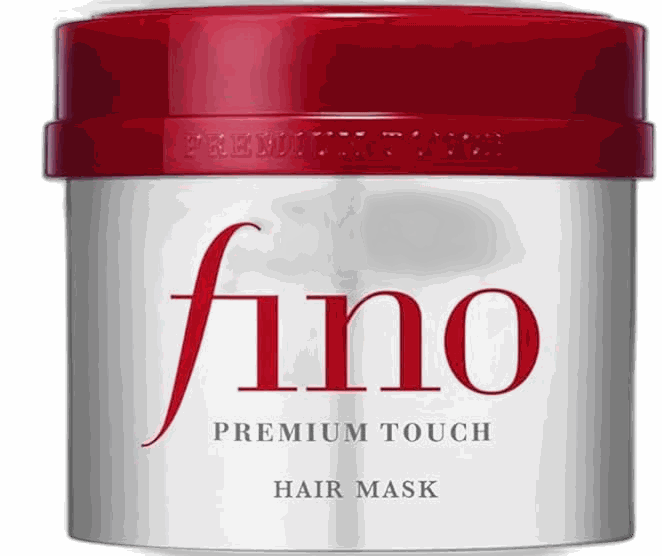
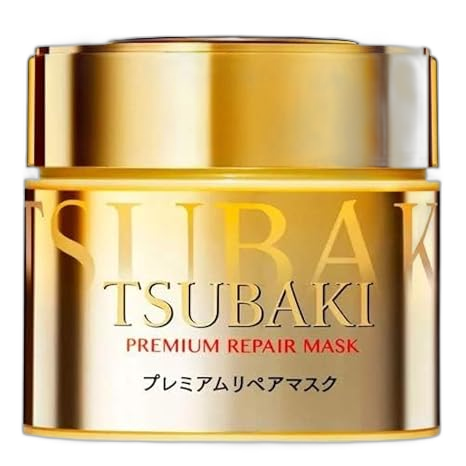
Haircare at 5.3% is a category that’s growing fast. Fino Premium Touch Penetrating Essence Hair Mask went viral on TikTok in 2023 and opened the floodgates. Products like TSUBAKI Premium Hair Mask and the &honey line are following that path into US retail.
Within Skincare: What Types of Products Make It to the US
Drilling into the 590 skincare products:
| Subcategory | Products |
|---|---|
| Lotions (toners) | 70 |
| Sheet masks | 59 |
| Moisturizers | 47 |
| Cleansers | 47 |
| Sunscreens | 36 |
| Toners | 33 |
| Emulsions | 24 |
| Serums | 23 |
| Gel sunscreens | 15 |
| Chemical sunscreens | 13 |
| All in ones | 13 |
| Oil cleansers | 12 |
| Creams | 11 |
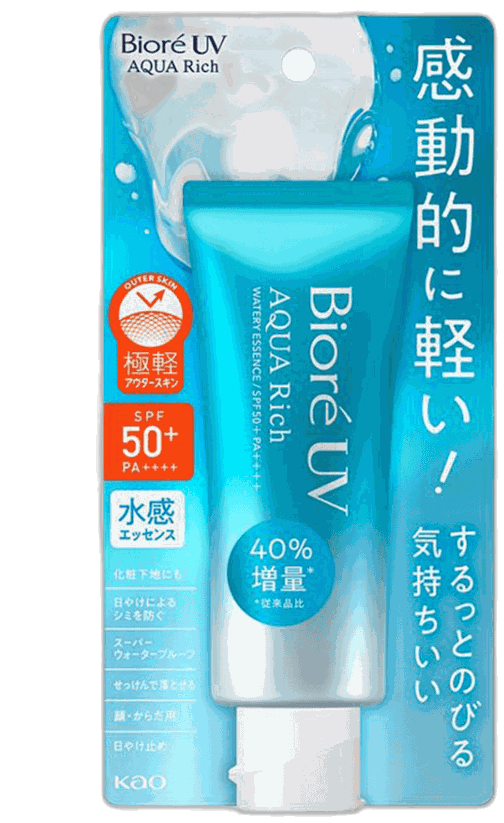
The combined sunscreen count (sunscreens + gel sunscreens + chemical sunscreens) hits 64 products, making UV protection the single largest skincare focus for internationally available products. That makes sense: Japanese sunscreens are the gateway product for most Western buyers. You try the Biore UV Aqua Rich Watery Essence SPF50+/PA++++ (Japanese Version), realize Western SPF formulas feel like paste by comparison, and fall down the J beauty rabbit hole.
Lotions (remember, that means “toner” in Japanese skincare terminology) lead the individual subcategories with 70 products. Combined with the separate toner category (33), hydrating liquids represent the largest product type. This reflects the Japanese skincare philosophy: layered hydration is the foundation, not an optional step.
Sheet masks at 59 products are dominated by Lululun (33 products, most of any single brand in our entire database). Japan treats sheet masking as a daily routine step, not a weekly luxury. That’s reflected in the sheer volume of mask products making it to US shelves.
The 20 Most Widely Available Japanese Beauty Products Outside Japan
These are the products carried by the most US accessible retailers. Think of this as a proxy for demand: retailers stock what sells.


A few things jump out:
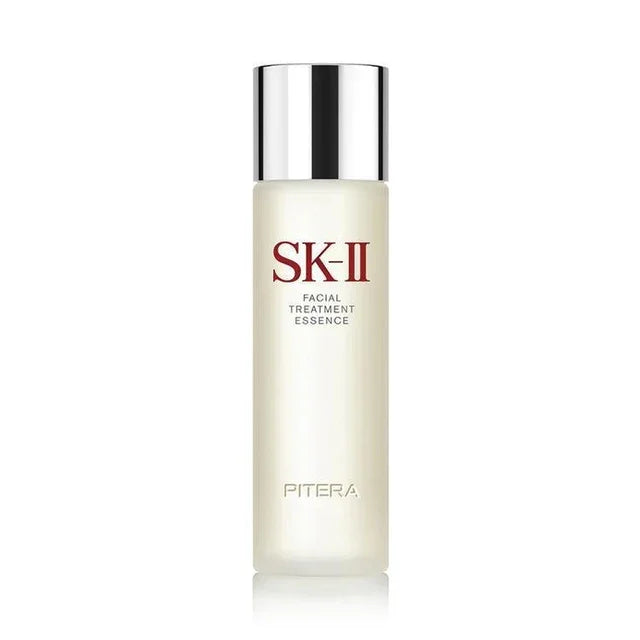
SK-II leads with 14 retailers. At $100+ per bottle, the Facial Treatment Essence appears in luxury department stores, Sephora, and specialty J beauty shops alike. It’s the one product that bridges the prestige and mass channels.
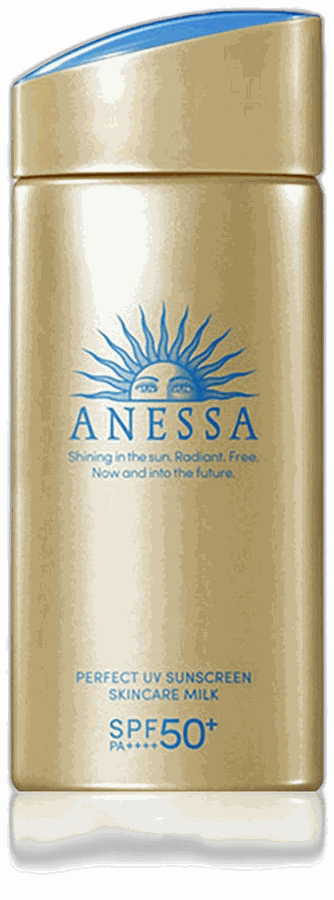
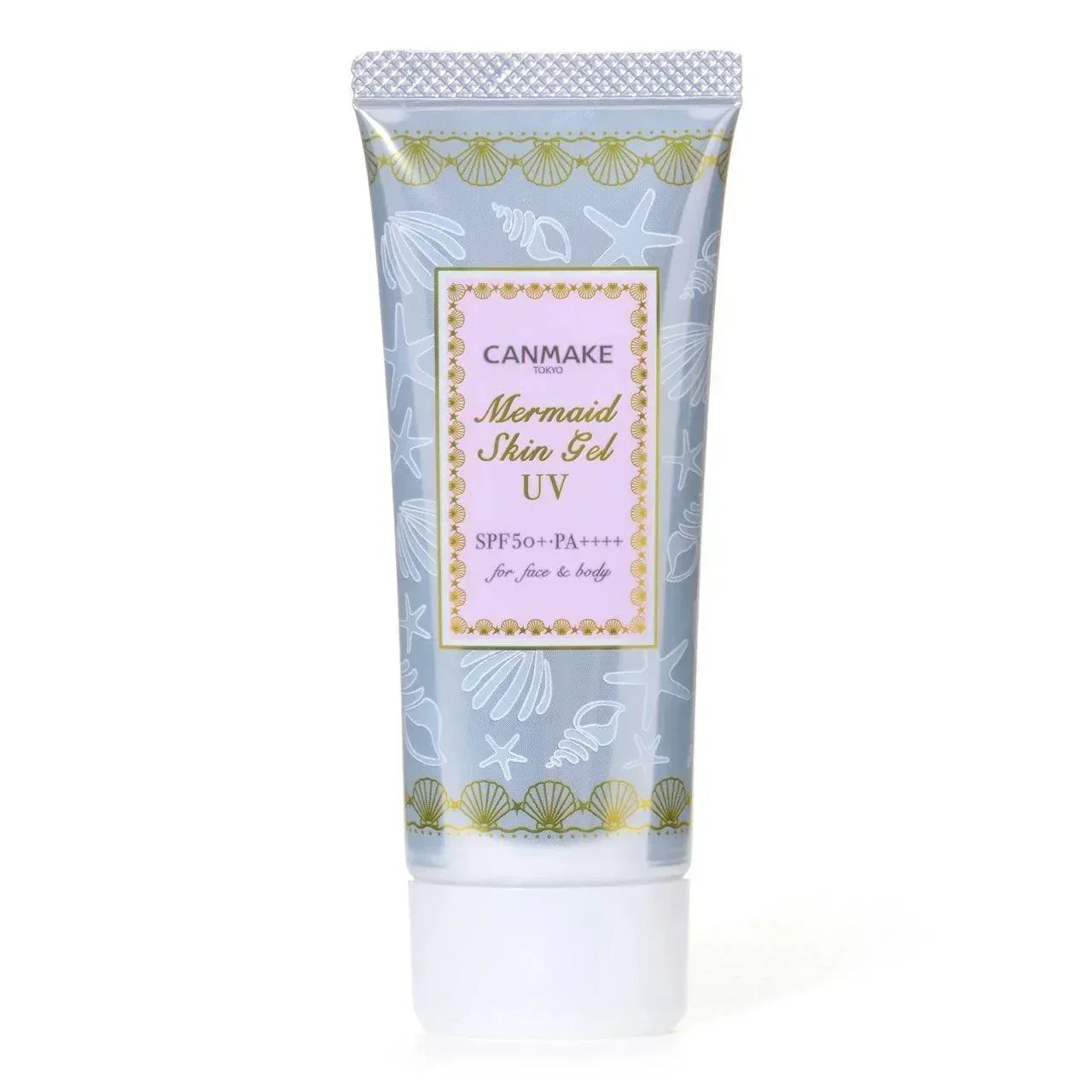
Sunscreens claim 5 of the top 20 spots. Anessa, Biore (twice), Canmake Mermaid, and Skin Aqua Tone Up. This confirms sunscreen as the entry point for buyers into J beauty.
Cleansing oils punch above their weight. DHC, Kose Softymo, Attenir, and FANCL all land in the top 20. Four cleansing oils. Japan didn’t invent oil cleansing, but it commercialized it for the mass market. DHC Deep Cleansing Oil alone is available at 11 retailers.
One haircare product cracks the list. TSUBAKI Premium Hair Mask at 13 retailers ties for second place. For context, that’s more retailers than the Biore sunscreen. Hair masks are the haircare equivalent of what sunscreen was for skincare five years ago: the viral gateway product. (For more on the haircare takeover, see our Japanese hair treatment roundup.)
Shiseido appears four times under its own brand name (Benefiance, Vital Perfection, Ultimune, Senka). Add Anessa (Shiseido group) and that’s five of the top 20 from one conglomerate.
The Brand Landscape: 189 Brands, 4 Conglomerates
Here are the top 25 brands by product count:
| Brand | Products | Category Focus |
|---|---|---|
| Rosy Rosa | 96 | Tools |
| Mapepe | 74 | Tools/accessories |
| Hada Labo | 64 | Skincare |
| Ducato | 60 | Nail care |
| Canmake | 56 | Makeup |
| Shiseido | 55 | Skincare |
| Rohto | 49 | Skincare/sun |
| Kose | 45 | Skincare |
| Sana | 44 | Skincare |
| Lululun | 33 | Sheet masks |
If you focus on skincare and beauty products (excluding tools and nail accessories), the picture shifts. Hada Labo at 64 products is the most product diverse skincare brand available to international buyers. That’s 64 different SKUs spanning cleansers, toners, moisturizers, serums, sunscreens, and sheet masks.
But individual brand counts don’t tell the real story. Japanese beauty is dominated by a handful of conglomerates that own dozens of sub brands:
| Conglomerate | Products in DB | Key Brands |
|---|---|---|
| Rohto Pharmaceutical | 123 | Hada Labo, Melano CC, Skin Aqua, Obagi, Mentholatum |
| Shiseido Group | 103 | Shiseido, Anessa, Senka, Elixir, d program, HAKU, Fino, Tsubaki |
| Kao Group | 54 | Biore, Curel, Kanebo, Kate, KissMe/Heroine Make |
| Kose Group | 53 | Kose, Decorté, Sekkisei, Visée |
Rohto leads with 123 products, mostly because Hada Labo alone accounts for 64 of them. When you’re browsing the toner aisle of a Japanese drugstore, roughly one in five products you see is Rohto. They own the affordable hydration category.
Shiseido Group at 103 products has the broadest range, from ¥500 Senka face washes to ¥50,000+ Clé de Peau creams. They’re the only conglomerate with meaningful presence across drugstore, mid range, and luxury tiers. (We mapped every sub brand in our Shiseido sub brands guide, and there’s a similar breakdown for Rohto.)
Together, these four companies account for 333 of our 1,022 products, about a third of the entire database. The remaining two thirds are spread across 150+ independent brands. Japanese beauty has more brand diversity than most people realize.
The Ingredient Map: What Japanese Products Are Made Of
We analyzed the key ingredients listed across all products with ingredient data. The top 15 most common:
| Ingredient | Products | Notes |
|---|---|---|
| Hyaluronic acid | 104 | In roughly 1 out of every 10 products |
| Niacinamide | 34 | Despite Japan’s reputation for skipping it |
| Ceramides | 33 | Pseudo ceramide technology pioneered by Kao |
| Collagen | 28 | Primarily in moisturizers and sheet masks |
| Squalane | 26 | Plant derived in most Japanese formulas |
| Rice ferment filtrate | 20 | Distinctly Japanese ingredient |
| Vitamin C | 19 | Often as stabilized derivatives |
| Vitamin E | 18 | Antioxidant support |
| Glycyrrhizin | 16 | Licorice root, anti inflammatory |
| Tranexamic acid | 15 | Japan’s brightening workhorse |
| Camellia oil | 14 | Haircare and luxury skincare |
| Zinc oxide | 13 | Mineral sunscreens |
| Tinosorb S | 12 | Next gen UV filter |
| Uvinul A Plus | 12 | Next gen UV filter |
| Shea butter | 12 | Moisturizers and lip care |
Hyaluronic acid dominates with 104 appearances, more than three times the next most common ingredient. This isn’t surprising if you know J beauty: Hada Labo’s entire brand identity is built on hyaluronic acid, and the ingredient shows up in everything from toners to sunscreens.
Rice ferment filtrate at 20 products is the most distinctly Japanese ingredient on the list. This includes sake lees (used by Kikumasamune), koji ferment, and rice bran extract. It’s an ingredient category that barely exists in Western skincare but has centuries of tradition in Japan. Kiku-Masamune Sake Brewing Skin Care Lotion High Moist is the budget benchmark at around $13 for 500ml.
Tranexamic acid appears 15 times. Japan approved tranexamic acid for brightening decades before Western brands started using it. Products like HAKU Melanofocus and the Hada Labo Shirojyun Premium Lotion use it as a primary active ingredient. (For a deeper look at Japanese brightening products, see our dark spots and hyperpigmentation guide.) For comparison, tranexamic acid only started appearing in mass market Western products around 2020.
Tinosorb S and Uvinul A Plus (12 each) are next generation UV filters widely used in Japanese sunscreens but not yet FDA approved in the US. These filters are why Japanese sunscreens feel lighter and offer broader UV protection than most American SPF products. They’ve been approved in Japan, the EU, and Australia for years.
Niacinamide at 34 products is interesting because Japanese skincare has a reputation for avoiding it (many sensitive skin focused brands deliberately exclude it). The data shows it’s less common than in Korean or Western formulas, but it’s far from absent.
The Availability Gap: Most Products Have Just One Retailer
This might be the most revealing finding in the entire dataset.
| Retailers Carrying Product | Number of Products |
|---|---|
| 0 (in DB but no listing) | 143 |
| 1 | 636 |
| 2 | 138 |
| 3 | 41 |
| 4 | 16 |
| 5+ | 48 |
636 products, a full 62% of the database, are available from just one retailer. If that single retailer goes out of stock or stops carrying the product, international buyers have no other option.
Only 48 products (less than 5%) are available from 5 or more retailers. These are the “safe bets” that you can reliably find: the SK-IIs, the Biore sunscreens, the Hada Labo lotions.
The average product has 1.7 retailer listings. That means the typical Japanese beauty product available to international buyers has fewer than two places to buy it.
This is the core problem for buyers of Japanese beauty products. It’s not that the products don’t exist here. It’s that most of them are hanging by a thread of a single retailer relationship. One stockout, one business closure, one shipping policy change, and your favorite product becomes impossible to find.
Where international buyers Can Shop: The Retailer Landscape
Our database tracks 60 retailers. Here’s how the listings distribute:
| Retailer | Listings | Type |
|---|---|---|
| JJ Cosmetics | 256 | Specialty J beauty |
| Takashima Shop | 234 | Specialty J beauty |
| TokTok Beauty | 169 | Specialty J beauty |
| YesStyle | 159 | Multi brand Asian beauty |
| Senti Senti | 91 | Specialty J beauty |
| Kiyoko | 90 | Specialty J beauty |
| Stylevana | 81 | Multi brand Asian beauty |
| Amazon US | 76 | Marketplace |
| Japanese Taste | 34 | Specialty Japanese goods |
| Walmart | 31 | Mass market |
| Target | 26 | Mass market |
Specialty J beauty retailers dominate. The top 6 stores by listing count are all specialty Japanese beauty shops. JJ Cosmetics alone carries 256 listings, more than three times Amazon’s selection.
Amazon US at 76 listings ranks 8th. That’s a fraction of what specialty stores carry. And Amazon’s Japanese beauty selection comes with well documented authenticity concerns that specialty retailers don’t have.
Mass retail is limited. Walmart (31 listings) and Target (26 listings) together carry fewer products than a single specialty retailer. If you’re shopping for J beauty at Target, you’re seeing roughly 2.5% of what’s available.
42 of 60 tracked retailers ship from the US. Another 13 ship from Japan. The rest ship from Hong Kong, the UK, the Netherlands, or Canada. For US buyers worried about tariffs and shipping times, this matters: US based specialty retailers like JJ Cosmetics, Senti Senti, and Kiyoko ship domestically with standard delivery times.
The Price Story: Drugstore to Luxury
For products where we have Japan retail pricing (204 products):
| Price Range (¥) | Products | Roughly in USD |
|---|---|---|
| Under ¥1,000 | 63 | Under ~$7 |
| ¥1,000 to ¥2,999 | 90 | ~$7 to $20 |
| ¥3,000 to ¥4,999 | 21 | ~$20 to $33 |
| ¥5,000 to ¥9,999 | 19 | ~$33 to $67 |
| ¥10,000+ | 11 | $67+ |
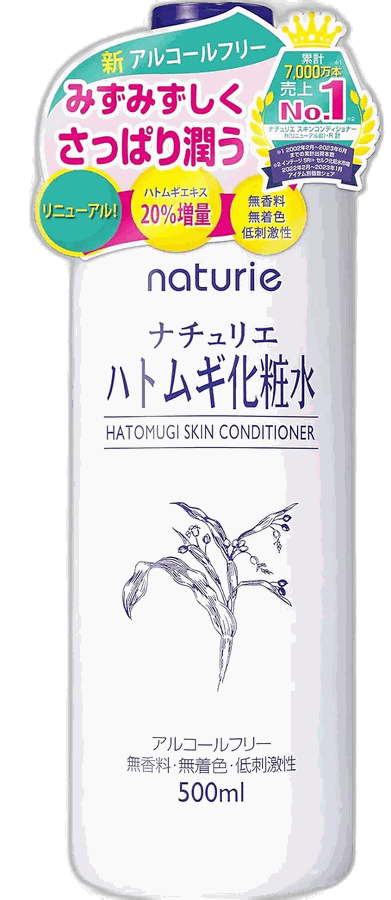
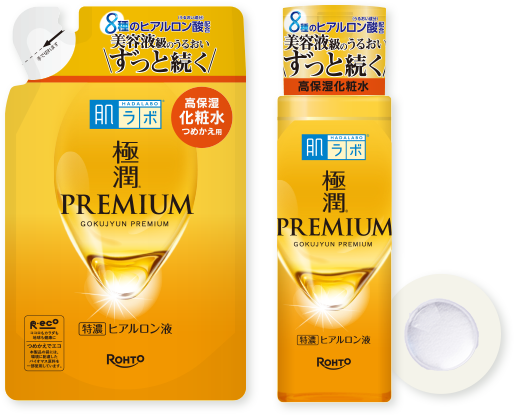
75% of Japanese beauty products available to international buyers cost under ¥3,000 ($20) at Japan retail prices. This is the drugstore sweet spot that J beauty is famous for. Products like Hada Labo Gokujyun Premium Lotion (around ¥1,000), Naturie Hatomugi Skin Conditioner (around ¥700), and Melano CC Premium Brightening Essence (around ¥1,000) are formulated to compete at this price point.
The luxury tier (¥10,000+) includes 11 products, mostly from SK-II, Decorté, Clé de Peau Beauté, and Shiseido’s prestige lines. SK-II Facial Treatment Essence (Pitera Essence) at ¥12,650 is the most expensive product with the widest Availability.
US prices are typically 20% to 50% higher than Japan retail, depending on the retailer and import costs. A product that’s ¥1,000 ($7) in a Tokyo drugstore might run $10 to $14 from a US based specialty retailer.
Sunscreen: The Category That Punches Above Its Weight
Sunscreen products make up about 9% of the total database (93 products across all sunscreen subcategories). But they account for a disproportionate share of the most available products: 5 of the top 20 most stocked products are sunscreens.
The sunscreen data reveals something else: Japanese sunscreen innovation happens in formulation format, not just SPF numbers.
Our database tracks gel sunscreens, essence sunscreens, milk sunscreens, chemical sunscreens, and mineral sunscreens as separate subcategories. This granularity doesn’t exist in Western sunscreen markets because Western brands don’t differentiate formats the same way. In Japan, whether your sunscreen is a gel, a milk, or an essence determines its texture, finish, and ideal use case.
The most widely available sunscreen, Anessa Perfect UV Sunscreen Skincare Milk SPF50+/PA++++ at 12 retailers, uses a milk format designed for water resistance. The most viral, Biore UV Aqua Rich Watery Essence SPF50+/PA++++ (Japanese Version), uses a watery essence format designed for daily wear under makeup.
Both are SPF50+/PA++++. The protection level is identical. The experience of wearing them is completely different. That’s the Japanese sunscreen approach in a nutshell. (We break down every format in our Japanese sunscreen types guide.)
What the Data Doesn’t Show (Yet)
Every dataset has gaps. Here are ours:
Makeup is underrepresented. 108 products out of 1,022 doesn’t reflect Japan’s massive cosmetics industry. Brands like Addiction, Suqqu, Three, RMK, Jill Stuart, and dozens of drugstore brands are largely absent from our database because they’re harder to find through US accessible retailers.
Men’s products are nearly invisible. Japan has dedicated men’s skincare lines from Shiseido (Uno), Gatsby, Lucido, and others. Almost none appear in our data because retailers don’t carry them.
Bodycare is thin. 51 products. Japan has rich bodycare traditions (onsen culture, body milks, medicated baths) that barely register in what’s available to international buyers.
Tool prices are missing. 818 of our 1,022 products lack Japan retail price data, mostly in the tools and accessories categories. The pricing analysis above only covers about 20% of the full database.
These gaps are real and worth flagging. The data shows what international buyers can access today, not the full universe of Japanese beauty products.
What This All Means
If you strip away the numbers, a few practical takeaways emerge:
Start with the widely available products. The 48 products sold at 5+ retailers are your safest bets. They’re easier to find, easier to restock, and you can comparison shop across retailers. The most widely available products include the usual J beauty hits: Hada Labo lotions, Biore sunscreens, SK-II essence, DHC cleansing oil.
Specialty retailers are where the selection lives. If you’re only shopping Amazon and Target, you’re seeing a fraction of what’s available. JJ Cosmetics, Takashima Shop, TokTok Beauty, and Kiyoko carry 5x to 10x the selection of mass retailers. (For a full retailer breakdown, see our where to buy Japanese skincare outside Japan guide.)
Sunscreen is the gateway, but it’s not the whole story. Sunscreens get the viral moments and the Reddit threads, but lotions (toners), sheet masks, and cleansing oils represent the deeper product ecosystem. The Japanese skincare routine is built on hydrating layers and gentle cleansing, and the product data reflects that.
Look beyond Shiseido and Hada Labo. Four conglomerates dominate, but the most interesting products often come from the independent 150+. Brands like Naturie, Cure, Meishoku, Tunemakers, and BCL don’t have the marketing budgets of Shiseido, but they make products that keep showing up in community recommendations.
The availability problem is real. Most products have one retailer. When people on Reddit say “I can’t find this anymore,” the data explains why. Bookmark your specialty retailers, consider buying backups of hard to find favorites, and don’t assume a product will always be available just because it is today.
FAQ
How many Japanese beauty products are available to international buyers?
Our database tracks 1,022 products from 189 brands across 60 US accessible retailers. This isn’t the total universe of Japanese beauty products (Japan’s domestic market has thousands more), but it represents what a US buyer can reasonably purchase and have shipped to their door.
What’s the most widely available Japanese beauty product Outside Japan?
SK-II Facial Treatment Essence (Pitera Essence) leads with 14 retailers, followed by Hada Labo Gokujyun Premium Lotion and TSUBAKI Premium Hair Mask at 13 each. These are the products you can find almost anywhere that sells Japanese beauty.
What category has the most Japanese beauty products available?
Skincare dominates with 590 products (57.7%), followed by tools/accessories (219), makeup (108), haircare (54), and bodycare (51). Within skincare, lotions (toners) and sheet masks are the largest subcategories.
Which Japanese beauty conglomerate has the most products available Outside Japan?
Rohto Pharmaceutical leads with 123 products across its sub brands (Hada Labo, Melano CC, Skin Aqua, Obagi, Mentholatum), followed by Shiseido Group at 103 products. Together with Kao (54) and Kose (53), the top four conglomerates account for roughly a third of all products.
What’s the most common ingredient in Japanese beauty products?
Hyaluronic acid appears in 104 products, more than three times any other ingredient. Ceramides (33), niacinamide (34), collagen (28), and squalane (26) round out the top five. Rice ferment filtrate, a distinctly Japanese ingredient, appears in 20 products.