Japanese beauty explained
Rohto Sub Brands Explained: The Japanese Skincare Empire Behind Hada Labo, Melano CC, and More
You buy a Hada Labo Gokujyun Premium Lotion because Reddit told you to. A few months later you pick up a Melano CC Intensive Measures Essence for dark spots. Then someone recommends Skin Aqua Tone Up UV Essence SPF50+/PA++++ for sunscreen. Three completely different products, three different names on the packaging, and it takes a surprisingly long time to realize they all come from the same company.
Rohto Pharmaceutical is one of the largest skincare conglomerates in Japan, but it doesn’t operate like Western beauty companies that plaster the parent name on everything. Each sub brand has its own identity, packaging, and retail presence. Unless you go looking, there’s no obvious sign that your Hada Labo toner and your Melano CC serum are siblings.
This guide maps every Rohto sub brand that matters for buyers, what each one does, and which one to pick based on your skin concerns.
A Quick History: From Eye Drops to Skincare Empire
Rohto Pharmaceutical was founded in 1899 in Osaka by Yasutami Yamada as Shintendo Pharmacy, initially selling a gastrointestinal medicine called Ikatsu. The company pivoted to eye care in the early 20th century and became Japan’s dominant eye drop brand, a position it still holds with roughly 40% market share in Japan’s OTC eye drop category.
The name “Rohto” comes from August von Rothmund, a German ophthalmologist. It’s a pharmaceutical heritage, not a beauty one, and that distinction matters. Rohto approaches skincare the way a pharma company would: ingredient research first, marketing second.
The major expansion into skincare came through two moves. First, Rohto launched Hada Labo in 2004, built around hyaluronic acid research from its pharmaceutical division. Second, Rohto acquired The Mentholatum Company (an American company) in 1988, gaining a global distribution network and the Mentholatum brand for lip and body care.
Today, Rohto operates sub brands across every skincare category. Here’s how they break down.
Hada Labo: Hydration
Known for: Hyaluronic acid everything Price tier: Drugstore ($10 to $25) Best for: Dry skin, dehydration, anyone who needs a hydrating toner or moisturizer
Hada Labo is Rohto’s biggest skincare brand and the one most Western buyers encounter first. The entire line is built around hyaluronic acid in various molecular weights, which is straight from Rohto’s pharmaceutical research.
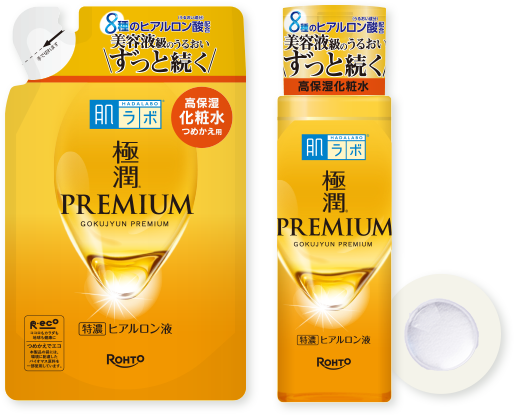
The Gokujyun line is the core range. Hada Labo Gokujyun Premium Lotion is the hero product and one of the most recommended toners in the Asian beauty community. It layers multiple types of hyaluronic acid (seven in the premium version) for deep hydration without heaviness. The regular Gokujyun Moist version is lighter and works better in humid climates.
Hada Labo
11 retailersSee retailers →
Beyond Gokujyun, Hada Labo has several sub lines:
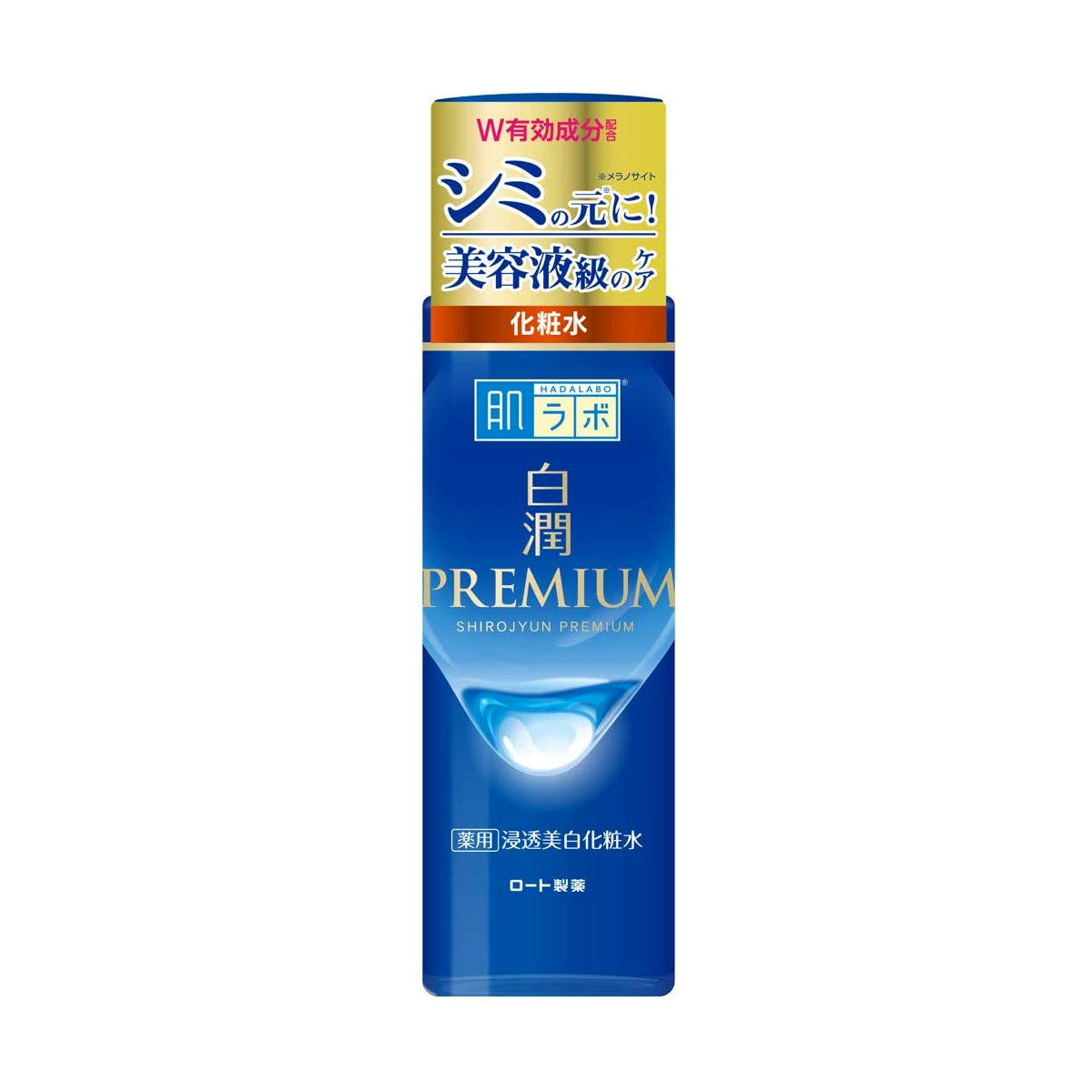
- Shirojyun: brightening line using arbutin and tranexamic acid. Hada Labo Shirojyun Premium Whitening Lotion is the standout. See the Shirojyun vs Melano CC comparison for how it stacks up against Rohto’s own vitamin C line.
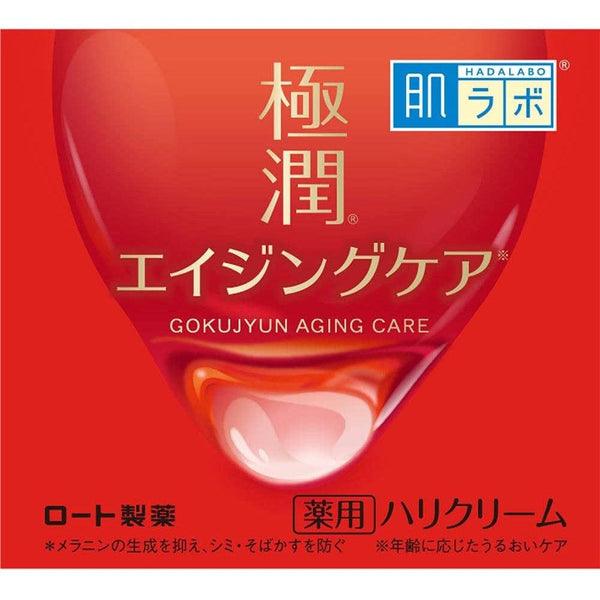
- Gokujyun Alpha: anti aging line adding retinol and collagen to the hyaluronic acid base. Hada Labo Gokujyun Alpha Anti-Aging Lift Cream is the key product.
- Koi Gokujyun: the “rich” version of Gokujyun with higher concentrations. Thicker textures aimed at very dry skin.
- Kouji Hada: fermented rice (koji) based products. A smaller line but Hada Labo Kouji Treatment Essence gets good community feedback.
Hada Labo’s approach is deliberately simple. Most products have short ingredient lists focused on doing one thing well. No fragrance, no colorants, no unnecessary extras. That pharmaceutical DNA shows up in the formulation philosophy: effective ingredients at functional concentrations, nothing else.
For a deep dive, see the full Hada Labo guide. For comparisons: Hada Labo vs CeraVe, Hada Labo vs Kikumasamune, Hada Labo vs Sana Nameraka.
Melano CC: Brightening and Dark Spots
Known for: Vitamin C serums and spot treatment Price tier: Drugstore ($12 to $20) Best for: Hyperpigmentation, acne scars, uneven skin tone
Melano CC is Rohto’s vitamin C focused line and probably the most popular Japanese vitamin C product outside of Japan. The line uses ascorbic acid (pure vitamin C) in a stabilized oil based formula, which is unusual since most drugstore vitamin C products use derivatives instead.
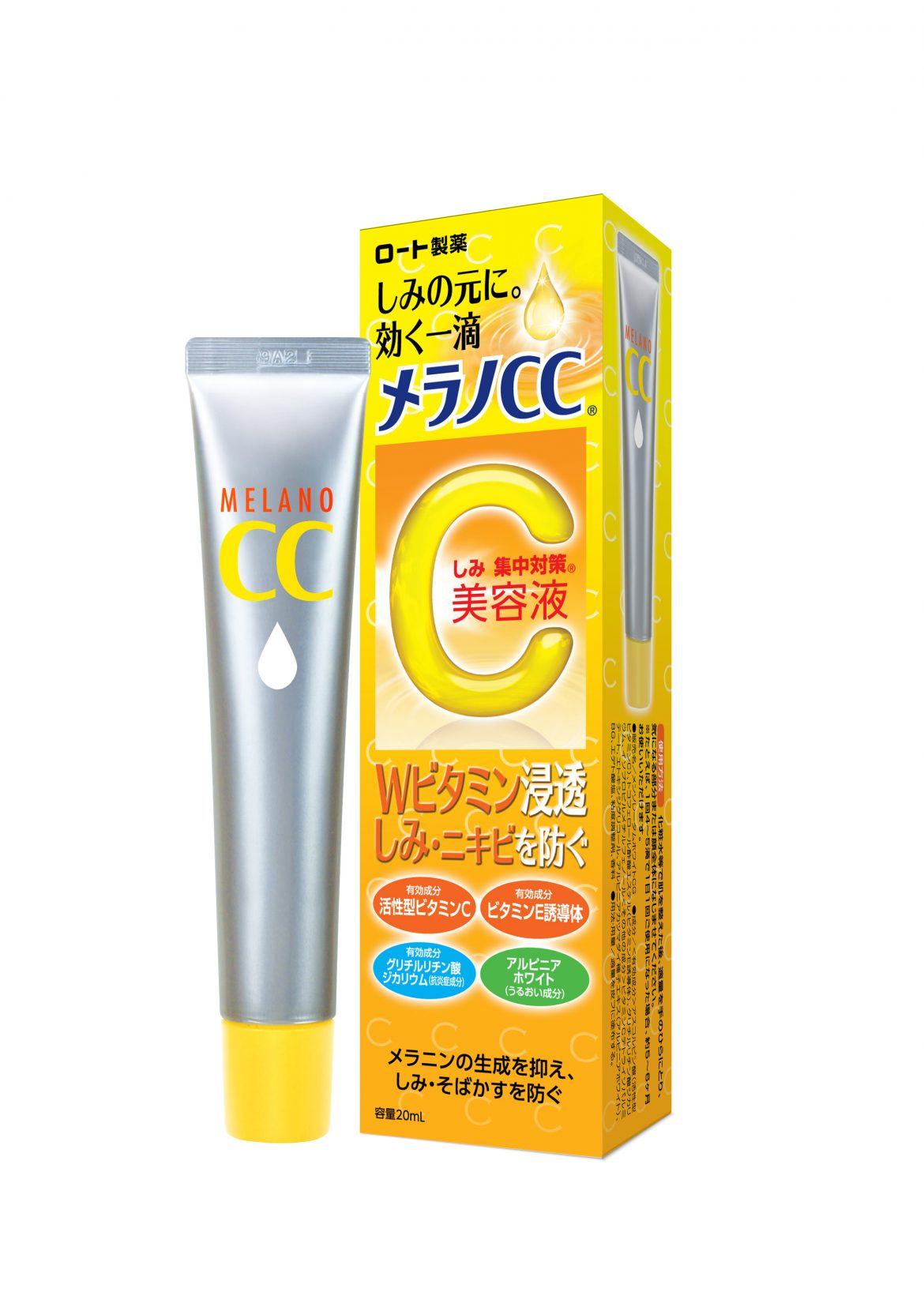
Melano CC Intensive Measures Essence is the original hero product. It’s an oil based serum in a small tube that dispenses one drop at a time, keeping the vitamin C stable by minimizing air exposure. The formula also contains vitamin E and dipotassium glycyrrhizinate (an anti inflammatory).
The Premium version, Melano CC Premium Brightening Essence, upgrades the formula with additional active ingredients including pyridoxine (vitamin B6). It’s the same packaging concept but a slightly richer formula.
Rohto
3 retailersSee retailers →
The rest of the line builds around the same vitamin C focus:
- Melano CC Medicated Whitening Lotion for Spots: a vitamin C toner for all over brightening
- Melano CC Brightening Lotion Rich - 170ml: a richer version of the toner
- Melano CC Vitamin C Brightening Gel: a lightweight gel moisturizer
- Melano CC Vitamin C Mask: sheet masks with the same vitamin C formulation
- Melano CC Vitamin C Deep Day Care UV Lotion SPF 50+ PA++++: a vitamin C sunscreen
- Melano CC Deep Clear Enzyme Face Wash: enzyme powder wash
For a full breakdown, see the Melano CC complete guide. For comparisons: Melano CC vs Obagi vs SkinCeuticals, Shirojyun vs Melano CC.
Skin Aqua: Sun Protection
Known for: Lightweight, cosmetically elegant sunscreens Price tier: Drugstore ($10 to $18) Best for: Daily sunscreen that doesn’t feel like sunscreen
Skin Aqua is Rohto’s dedicated sunscreen line, and it’s a community favorite for good reason. These sunscreens prioritize wearability. They’re lightweight, layer well under makeup, and many of them have a slight tone up effect that doubles as a primer.
Skin Aqua Tone Up UV Essence SPF50+/PA++++ is the breakout hit, especially the lavender version. It’s a chemical sunscreen with a subtle lavender tint that brightens skin tone while providing SPF50+ protection. See the Skin Aqua Tone Up review for details.

Rohto
8 retailersSee retailers →
Other key products:
- Skin Aqua UV Super Moisture Gel SPF50+/PA++++: a gel texture sunscreen that feels like a lightweight moisturizer. See the Moisture Gel review.
- Skin Aqua UV Super Moisture Milk SPF50+/PA++++: a milk texture for those who prefer a lighter finish
- Skin Aqua Super Moisture Essence SPF50+/PA++++: essence texture, very lightweight
- Skin Aqua Super Moisture Barrier UV Gel: adds barrier repair ingredients to the sunscreen
- Skin Aqua Tone Up UV Essence Latte Beige: a tinted version for a natural skin tone effect
- Skin Aqua Tone Up UV Essence Mint: a green tinted version for redness correction
- Skin Aqua Serum UV: a newer formula (2026) that combines serum and sun protection
Skin Aqua competes directly with Biore UV (a Kao product) in the affordable Japanese sunscreen space. For a head to head comparison, see Skin Aqua vs Biore. For the full breakdown of every Skin Aqua product, see the Skin Aqua Complete Guide.
Worth noting: Skin Aqua formulations can differ between the Japanese domestic version and versions sold in other Asian markets. The Japanese version is generally the one the community recommends.
Obagi: Clinical and Premium
Known for: High concentration vitamin C serums Price tier: Premium ($25 to $100+) Best for: Targeted treatment of pores, dark spots, and aging concerns
Obagi Japan is Rohto’s premium, clinically oriented skincare line. It’s based on a collaboration with Dr. Zein Obagi (the dermatologist behind the US Obagi brand), but the Japanese line is a separate entity with its own formulations developed by Rohto’s R&D team. In November 2025, Rohto purchased the full Obagi trademark rights in Japan for $82.5 million.
The Obagi C Series is the flagship, featuring pure vitamin C (ascorbic acid) at specific concentrations:
- Obagi C5 Serum: 5% vitamin C, entry level
- Obagi C10 Vitamin C Serum: 10% vitamin C, the most popular
- Obagi C25 Serum NEO: 25% vitamin C, the strongest in the line
- Obagi C Enzyme Face Wash Powder: an enzyme powder cleanser that’s become a cult favorite
Obagi
1 retailerSee retailers →
The key difference between Obagi and Melano CC is concentration and price. Melano CC doesn’t disclose its vitamin C percentage (it’s a quasi drug with regulated active ingredients), while Obagi clearly labels the concentration. Obagi also uses a different stabilization method and targets a more treatment focused audience. For a detailed comparison, see Melano CC vs Obagi vs SkinCeuticals.
The Obagi X line is the newer, more premium tier. Obagi X - Lift Lotion Beauty Toner - 150ml and the Derma Power range focus on anti aging through stem cell technology.
For the full brand breakdown, see the Obagi Japan guide.
50 no Megumi: Anti Aging for Mature Skin
Known for: All in one products for 40+ skin Price tier: Drugstore to mid range ($15 to $30) Best for: Mature skin wanting simplified routines with anti aging benefits
50 no Megumi (the name translates to “50’s Blessings”) is Rohto’s line specifically formulated for skin in its 40s, 50s, and beyond. The concept is straightforward: each product contains 50 nourishing ingredients (moisturizing and anti aging actives) packed into all in one formats that reduce the number of steps in a routine.
Hada Labo 50 no Megumi Multi Functional Anti Aging Collagen Lotion is the core product. It works as a lotion, emulsion, and serum in one step. The Rohto 50 No Megumi Aging Care Beauty Oil Face Mask is the sheet mask version, saturated with five beauty oils for intensive moisture.
The line also includes creams, wrinkle care treatments, and brightening products, all designed around the same principle: maximum benefit with minimum steps. This makes it particularly popular with people who want effective anti aging without a 10 step routine.
50 no Megumi is less well known outside Japan than Hada Labo or Melano CC, but it fills a gap that most J beauty brands ignore. The Japanese market takes age specific skincare seriously, and this line reflects that pharmaceutical approach to formulating for specific skin needs at specific life stages.
Mentholatum: Lip and Body Care
Known for: Lip balms, body care, topical treatments Price tier: Drugstore ($3 to $12) Best for: Lip care, minor skin irritation, body moisturizing
Mentholatum is the American brand Rohto acquired in 1988, and it’s the vehicle for most of Rohto’s lip care and body care products. In Japan, Mentholatum products are number one in the lip care category.
The lip balm lineup is extensive:
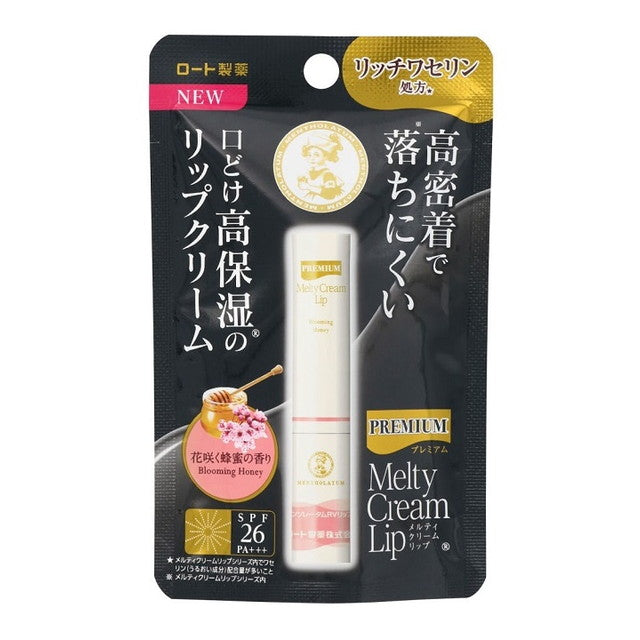
- Mentholatum Premium Melty Cream Lip Balm SPF26: the community favorite, with a rich melting texture and SPF
- Mentholatum Deep Moist Lip Balm: a more traditional moisturizing lip balm
- Mentholatum Water Lip Balm: a lighter, water based formula
- Mentholatum Repair One Lip Balm SPF25: a medicated lip balm for cracked or damaged lips
- Rohto Mentholatum - Lip Fondue: a tinted lip balm with a glossy finish
Rohto
1 retailerSee retailers →
Beyond lips, the Mentholatum umbrella also covers the Acnes line (acne treatment products for teens and young adults, number one in Japan’s acne care category), Sunplay (an affordable sunscreen sub line), and various topical treatments. Most of these are harder to find outside Japan but show up on Japanese import retailers.
The Ones You Might Not Know
Rohto operates several smaller sub brands that rarely get discussed in English language skincare communities but are worth knowing about:
Care Cera
A sensitive skin line built around ceramides. Care Cera products contain a proprietary blend of seven types of ceramides plus peptides for barrier repair. The Care Cera AP Face & Body Milk gets compared to CeraVe on Reddit but with more ceramide variety. It’s a niche pick for sensitive, dry skin that needs serious barrier support.
SKIO
Rohto’s online only brand focused on vitamin C and pore care. SKIO uses Rohto’s proprietary penetration technology to deliver vitamin C deeper into the skin. The VC White Peel Serum and VB Wrinkle Clear Serum are the key products. Currently only available through Rohto’s official online store and Rakuten in Japan, so it’s essentially a Japan exclusive.
Deoco
A body care line targeting age related body odor changes. Deoco uses lactone, a compound that decreases naturally with age, to address changes in body scent. It’s a uniquely Japanese concept with no real Western equivalent.
OXY and Deou
Rohto’s men’s skincare lines. OXY targets younger men with acne and oil control products, while Deou focuses on men’s aging concerns. Both are top sellers in Japan’s men’s skincare category but have limited availability outside Japan.
Epistem
A premium, science focused line positioned above Obagi. Epistem focuses on stem cell research and skin regeneration. It’s sold primarily through beauty counters and clinics in Japan.
Which Rohto Sub Brand Is Right for You
Instead of trying to compare every product, start with your primary skin concern:
“My skin is dry and dehydrated” Start with Hada Labo Gokujyun. The Premium Lotion is the gateway product for a reason. Layer it with the Perfect Gel or Cream for a complete hydrating routine.
“I have dark spots or acne scars” Two options, depending on budget. Melano CC Essence is the affordable choice at around $15. Obagi C10 or C25 is the concentrated treatment at $30 to $80. See the comparison guide to decide.
“I need a daily sunscreen that feels good” Skin Aqua. Pick the Tone Up version if you want a slight brightening tint, or the Moisture Gel if you want something invisible.
“I want anti aging without a complicated routine” 50 no Megumi if you’re 40+. Hada Labo Gokujyun Alpha if you’re in your 30s and want to start incorporating retinol alongside hydration.
“My skin is sensitive and reactive” Care Cera is designed for this, though it’s harder to find outside Japan. Hada Labo Gokujyun (the plain, unfragranced version) is the more accessible option.
“I want better lip care” Mentholatum. The Premium Melty Cream Lip is the one to try first.
“I want the most advanced treatments” Obagi for vitamin C at clinical concentrations. Obagi X or Epistem for anti aging.
Frequently Asked Questions
Are Hada Labo and Rohto the same company?
Yes. Hada Labo is a sub brand of Rohto Pharmaceutical. Rohto owns, develops, and manufactures all Hada Labo products. The same is true for Melano CC, Skin Aqua, Obagi Japan, and all the other brands listed in this guide.
Is Rohto Obagi the same as US Obagi?
No. Rohto’s Obagi line in Japan was developed in collaboration with Dr. Zein Obagi but has its own formulations created by Rohto’s R&D team. The US Obagi brand (now owned by Waldencast) has completely different products. In November 2025, Rohto purchased the full trademark rights for Obagi in Japan, making the separation permanent.
Why doesn’t Rohto put its name on everything?
Japanese conglomerates typically let sub brands operate with their own identity rather than stamping the parent name on every product. This lets each brand build credibility with its specific target audience. Hada Labo appeals to hydration seekers, Melano CC appeals to brightening seekers, and neither audience needs to know (or care) about eye drops.
Which Rohto brand is most popular in Japan?
Hada Labo is number one in Japan’s basic cosmetics category. Skin Aqua is one of the top selling UV care brands in Japan. Mentholatum is number one in lip care. Acnes is number one in acne care. Rohto dominates multiple categories simultaneously, which is unusual even among Japanese conglomerates.
Can I find all Rohto sub brands Outside Japan?
Hada Labo, Melano CC, Skin Aqua, and Obagi Japan are widely available through US based J beauty retailers and Amazon. Mentholatum lip products are also fairly easy to find. The smaller lines (Care Cera, SKIO, 50 no Megumi, Deoco, OXY) are harder to source and may require Japanese import services or purchasing during a trip to Japan.