Japanese beauty explained
Why K Beauty Fans Are Switching to Japanese Skincare
If you’ve spent any time on r/AsianBeauty lately, you’ve seen the posts. A favorite K beauty toner gets reformulated. A beloved serum is quietly discontinued. Someone’s entire routine falls apart because three products vanished in the same year.
“K beauty moves too fast,” one user wrote. “Trendy, fast moving K beauty gives me trust issues.”
That frustration is real, and it’s driving a growing number of skincare fans toward Japanese products. Not because Japanese skincare is inherently better, but because it solves a very specific problem: stability. When you find something that works, you want it to still exist next year. Japanese brands tend to deliver on that.
This isn’t a neutral comparison of J beauty vs K beauty. If you want that, we have a separate article for it. This is for people who already love their routine but are tired of rebuilding it every six months.
The Reformulation Problem
K beauty’s biggest strength is also its biggest weakness: speed. The Korean beauty industry moves fast. New ingredients trend on social media, brands race to launch products around them, and formulas get updated or replaced at a pace that keeps things exciting but makes it hard to build a reliable routine.
Here’s what that looks like in practice:
- A product launches, gets popular, and earns thousands of positive reviews
- The brand reformulates it (sometimes subtly, sometimes dramatically) within a year or two
- The new version doesn’t work the same, and the original is gone
- You’re back to square one, patch testing and hunting for replacements
This cycle isn’t unique to K beauty. Western brands do it too. But the speed and frequency in the Korean market is noticeably higher. Ingredients like snail mucin, centella, and propolis explode in popularity, and brands scramble to reformulate existing lines to include them, sometimes at the expense of what made the original formula work.
The result: a community full of people mourning discontinued products. Dr. Jart ceramide products, Illiyoon lotion reformulations, Shangpree ampoules, Village Factory sunscreens. Reddit is full of “what happened to my HG?” threads.
The J Beauty Stability Advantage
Japanese skincare culture operates differently. The emphasis is on perfecting a formula and keeping it consistent, not chasing trends. Japanese consumers expect their favorite products to be the same year after year, and brands respond to that expectation.
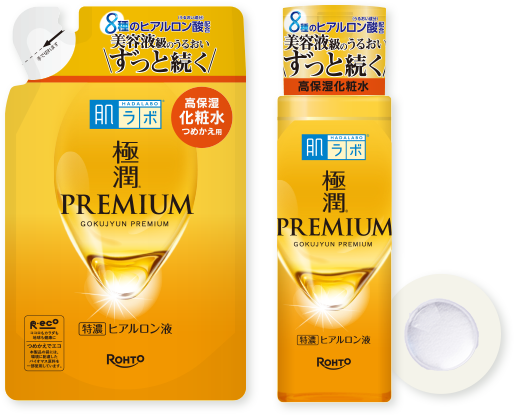
Hada Labo Gokujyun Premium Lotion is the most cited example. The Gokujyun line has been a staple since the mid 2000s, and the core formulation philosophy (layered hyaluronic acids for deep hydration) has stayed consistent even as the formula has been updated over the years (the 2020 version added more types of hyaluronic acid). The updates build on what worked rather than replacing it, which is a different philosophy from a full reformulation that changes the product’s character.
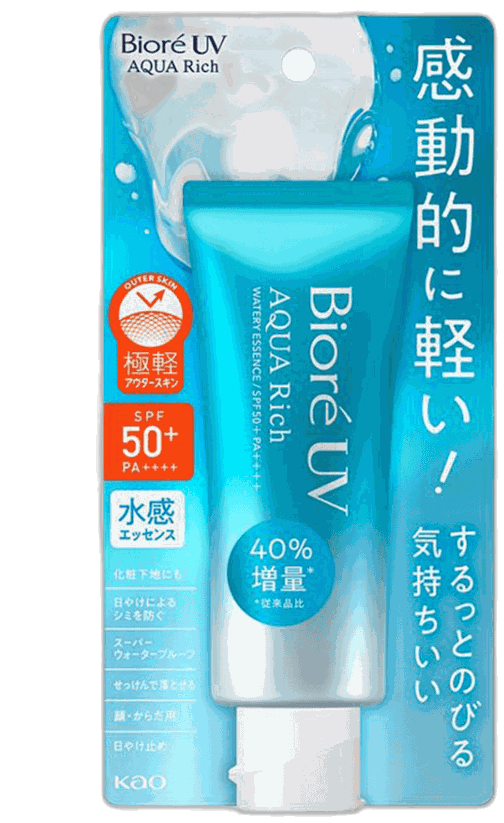
Biore UV Aqua Rich Watery Essence SPF50+/PA++++ (Japanese Version) is another. It’s been Japan’s top selling sunscreen category for years. The texture, finish, and wearability that made it popular are still there.
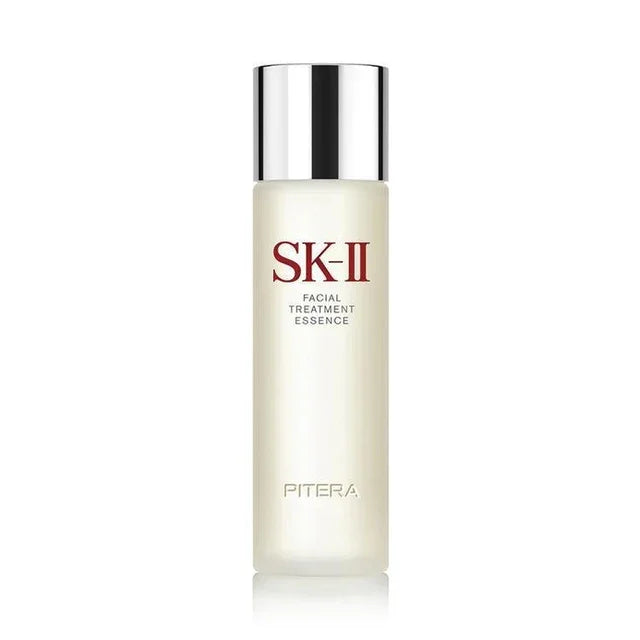
SK-II Facial Treatment Essence (Pitera Essence) has used the same core Pitera ferment since the 1980s. Four decades, same key ingredient, same product philosophy. The packaging changes. The formula stays.

This isn’t about Japanese brands being more virtuous. It’s a reflection of the Japanese market, where consumers reward consistency and punish unnecessary changes. A brand that reformulates a bestseller in Japan risks losing loyal customers permanently. In Korea, the market rewards novelty.
Category by Category: K Beauty to J Beauty Swaps
If you’re thinking about shifting some or all of your routine, here are the most common swaps people make, organized by product category.
Hydrating Toners
K beauty toners like Klairs Supple Preparation or the (frequently reformulated) COSRX offerings tend to be thicker and more heavily fragranced. Japanese hydrating lotions take a different approach: thinner, layerable, and focused on one or two key ingredients.
Top picks:
- Hada Labo Gokujyun Hyaluronic Lotion Moist for a lightweight version, or Hada Labo Gokujyun Premium Lotion for richer hydration. Both layer beautifully and absorb fast.
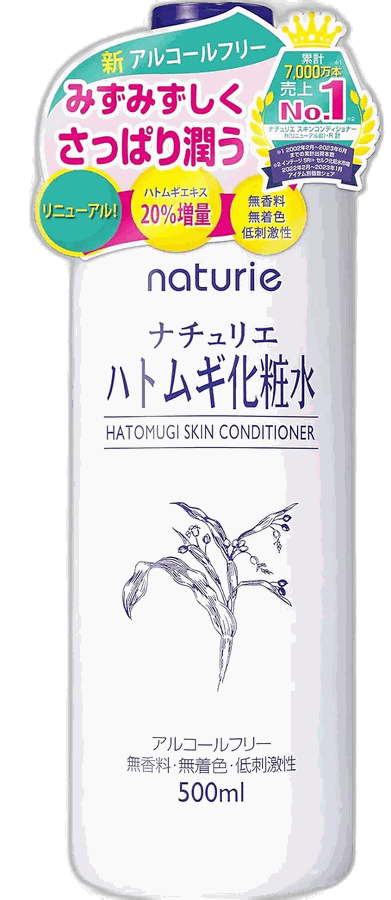
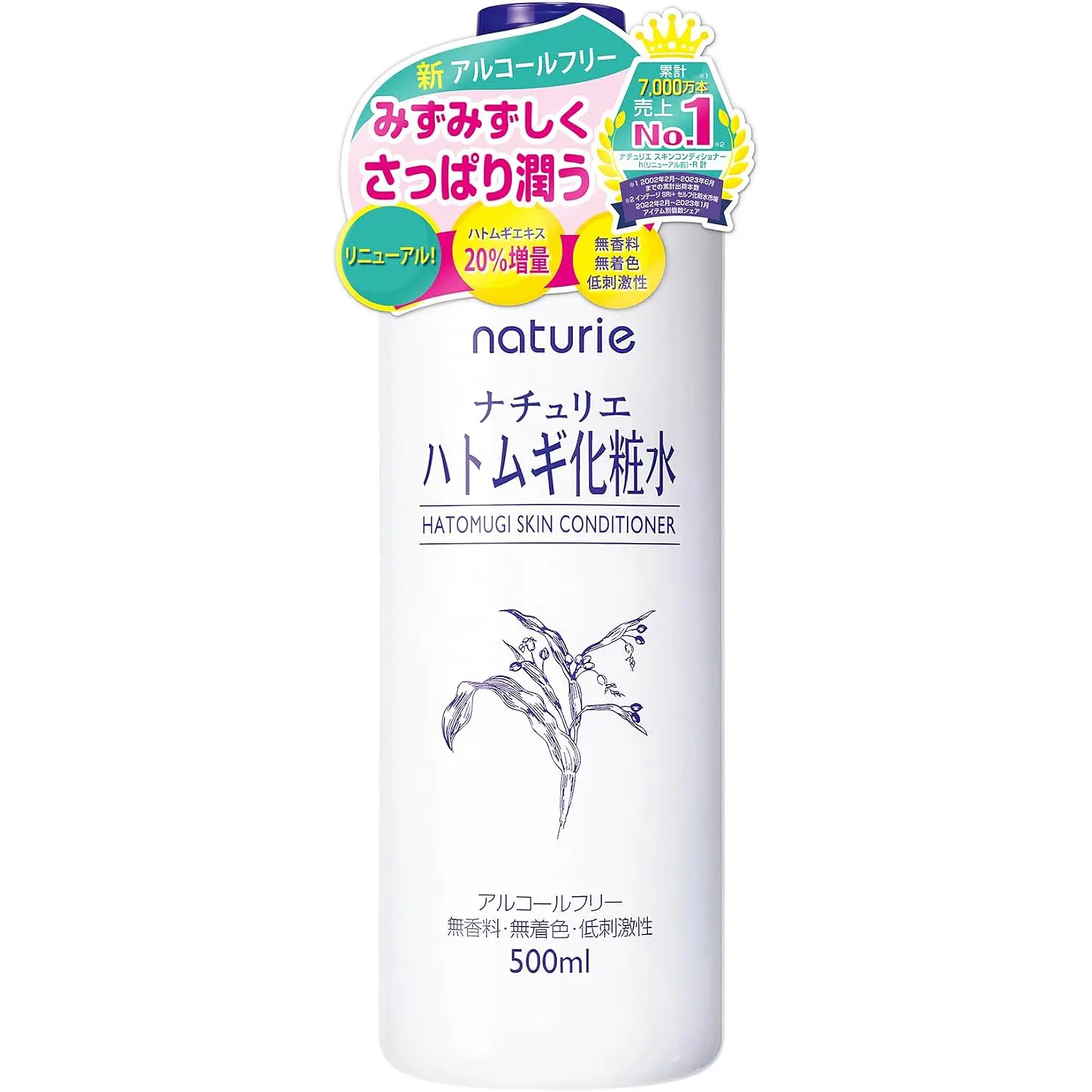
- Naturie Hatomugi Skin Conditioner if you want something ultra lightweight and affordable. The 500ml bottle lasts forever and works as a prep step before heavier layers.
- Kiku-Masamune Sake Brewing Skin Care Lotion High Moist for a ferment based option. Sake filtrate plus ceramides in a massive 500ml bottle. This one has a dedicated following for good reason.
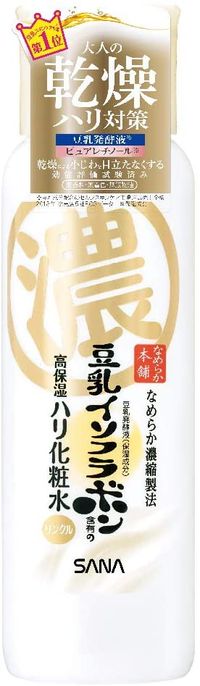
- Sana Nameraka Honpo Extra Moist Lotion NC for a soy based alternative. Soy isoflavones are associated with improved skin elasticity, and the texture sits somewhere between the lightweight Hada Labo Moist and the richer Premium.


Sunscreens
This is where most K beauty to J beauty switching starts. Japanese sunscreens have a reputation for elegant textures that sit well under makeup, and the community consensus backs it up.
Top picks:
- Biore UV Aqua Rich Watery Essence SPF50+/PA++++ (Japanese Version) is the default recommendation for a reason. Lightweight, no white cast, disappears into skin. Note: the US version uses different UV filters and has a different texture.
- Skin Aqua Tone Up UV Essence SPF50+ PA++++ adds a subtle lavender tone up effect that works as a primer. Popular with people who want sun protection and a bit of color correction in one step.
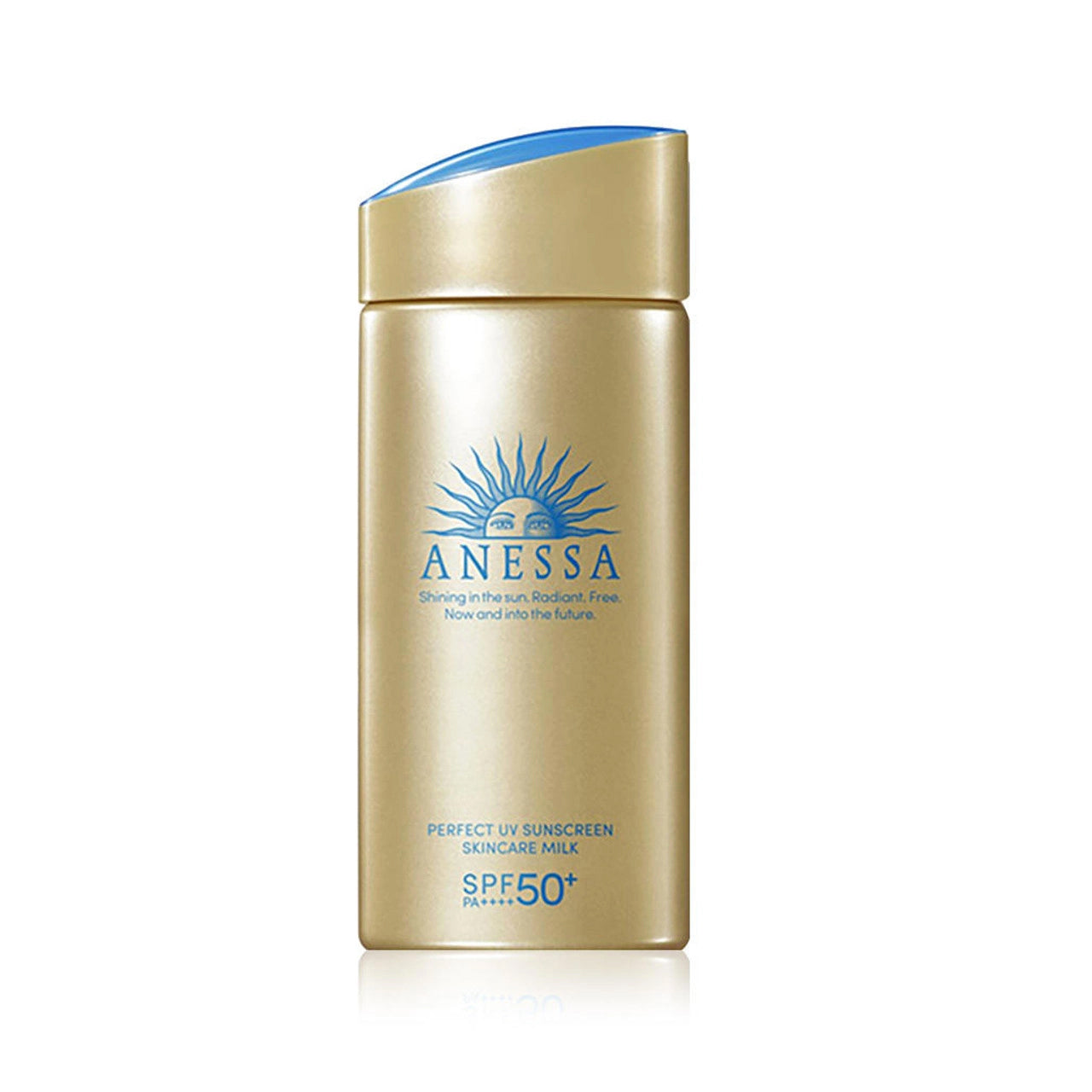
- Anessa Perfect UV Sunscreen Skincare Milk SPF50+/PA++++ for outdoor or active use. More resilient than most K beauty sunscreens and still comfortable to wear.
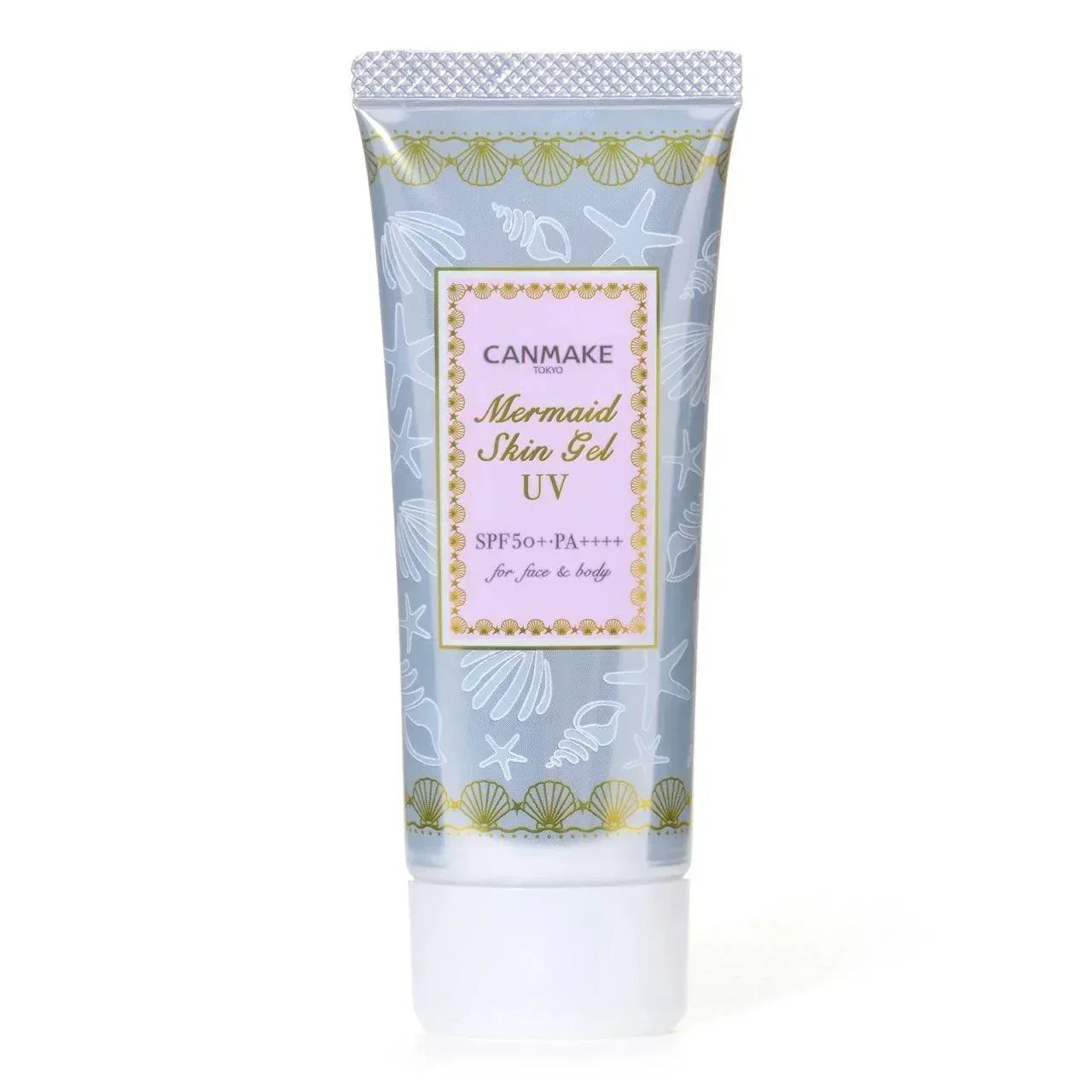
- Canmake Mermaid Skin Gel UV SPF50+/PA++++ as a budget option that doubles as a makeup primer. Gives a dewy, glass skin finish.

For a deeper comparison, see our Anessa vs Biore sunscreen breakdown or the full best Japanese sunscreen guide.
Cleansing Oils
K beauty popularized double cleansing, but Japanese brands have been making cleansing oils for decades. Two standouts:
- DHC Deep Cleansing Oil is olive oil based, effective, and has been around since the 1990s. It removes sunscreen and makeup thoroughly without stripping. Simple formula, simple job.
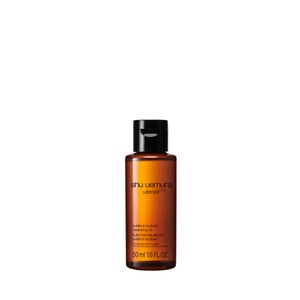
- Shu Uemura Ultime8∞ Sublime Beauty Cleansing Oil is the luxury pick. Eight plant oils, excellent for dry or mature skin, and it emulsifies cleanly. Often swapped in by people moving away from Banila Co Clean It Zero.

Moisturizers
K beauty moisturizers tend toward heavier creams and sleeping packs. Japanese moisturizers lean lighter, with gel creams and milky lotions that work well in humid climates or for people who prefer less occlusive formulas.
Top picks:
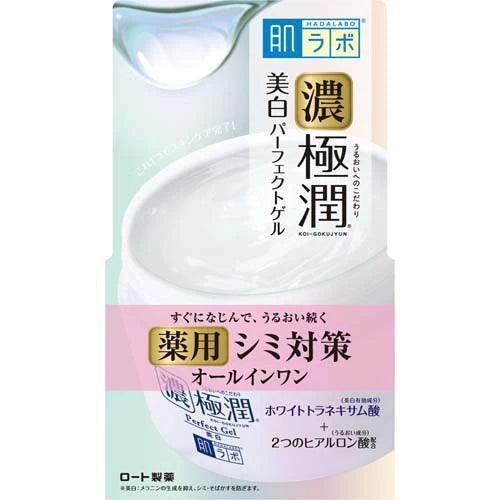
- Hada Labo Gokujyun Perfect Gel is an all in one gel that handles hydration and light moisture in a single step. Great for people trying to simplify their routine.
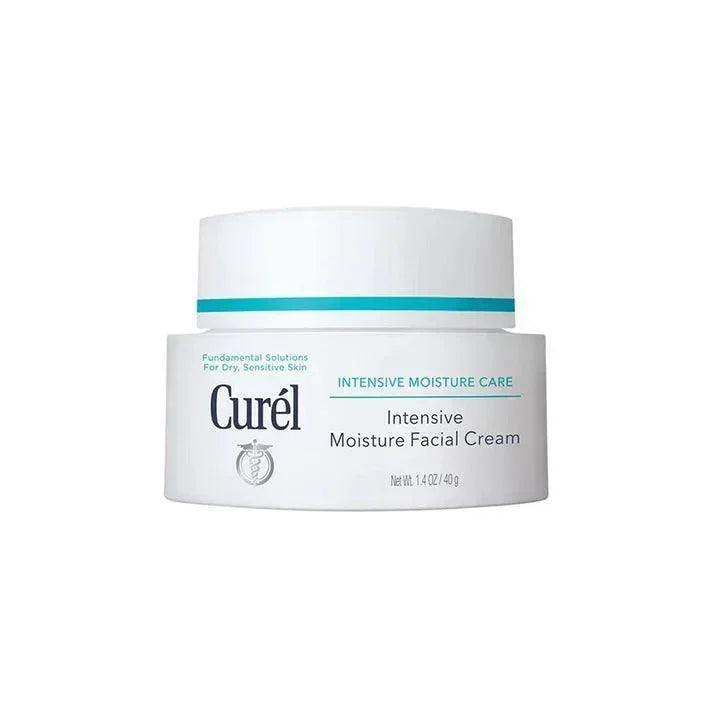
- Curel Intensive Moisture Facial Cream for sensitive or dry skin. Pseudo ceramides help restore the moisture barrier without fragrance or irritants. Curel is one of the most trusted Japanese brands for reactive skin.
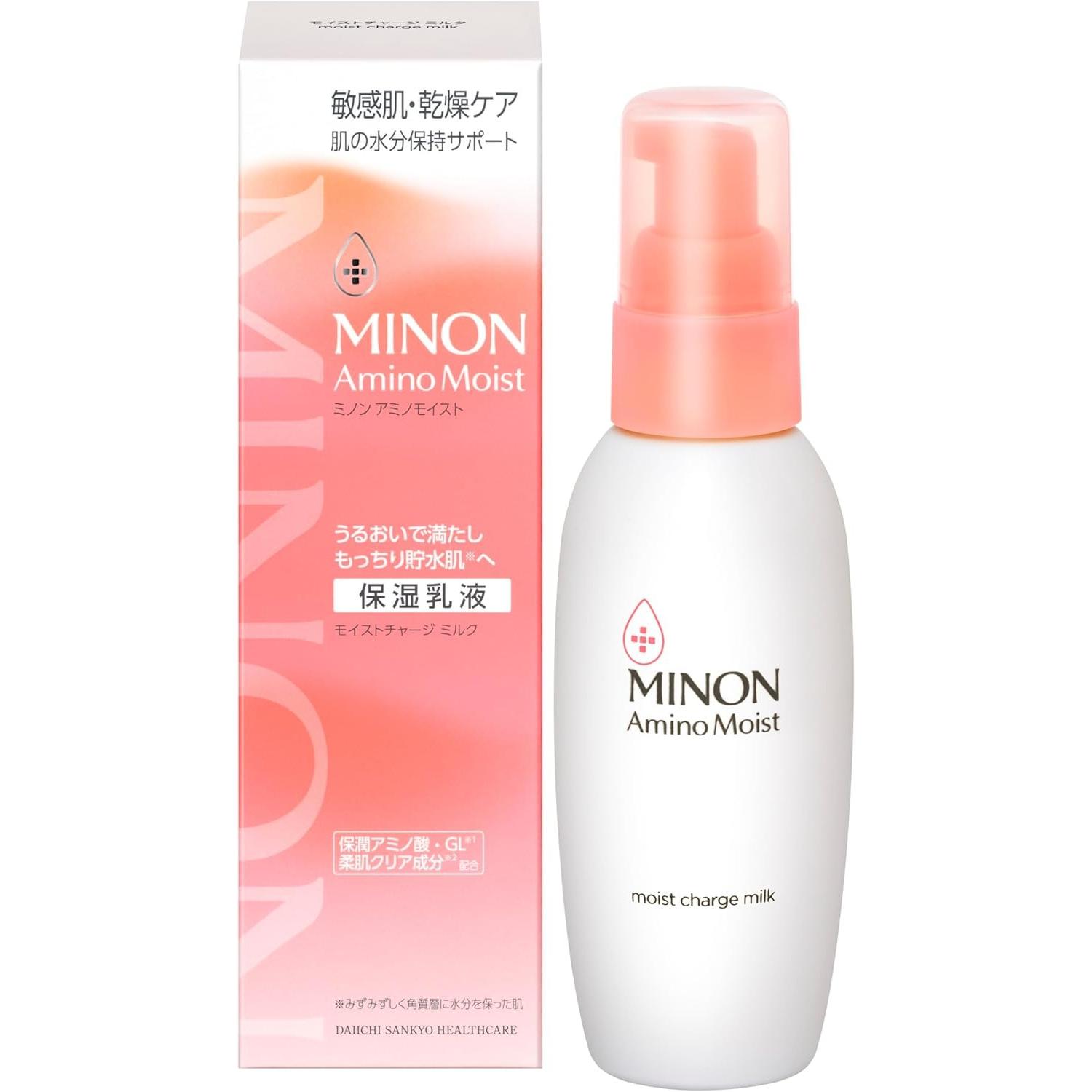
- Minon Amino Moist Charge Milk is a milky moisturizer with amino acids that strengthens the skin barrier. Another sensitive skin favorite that rarely gets mentioned outside J beauty circles.
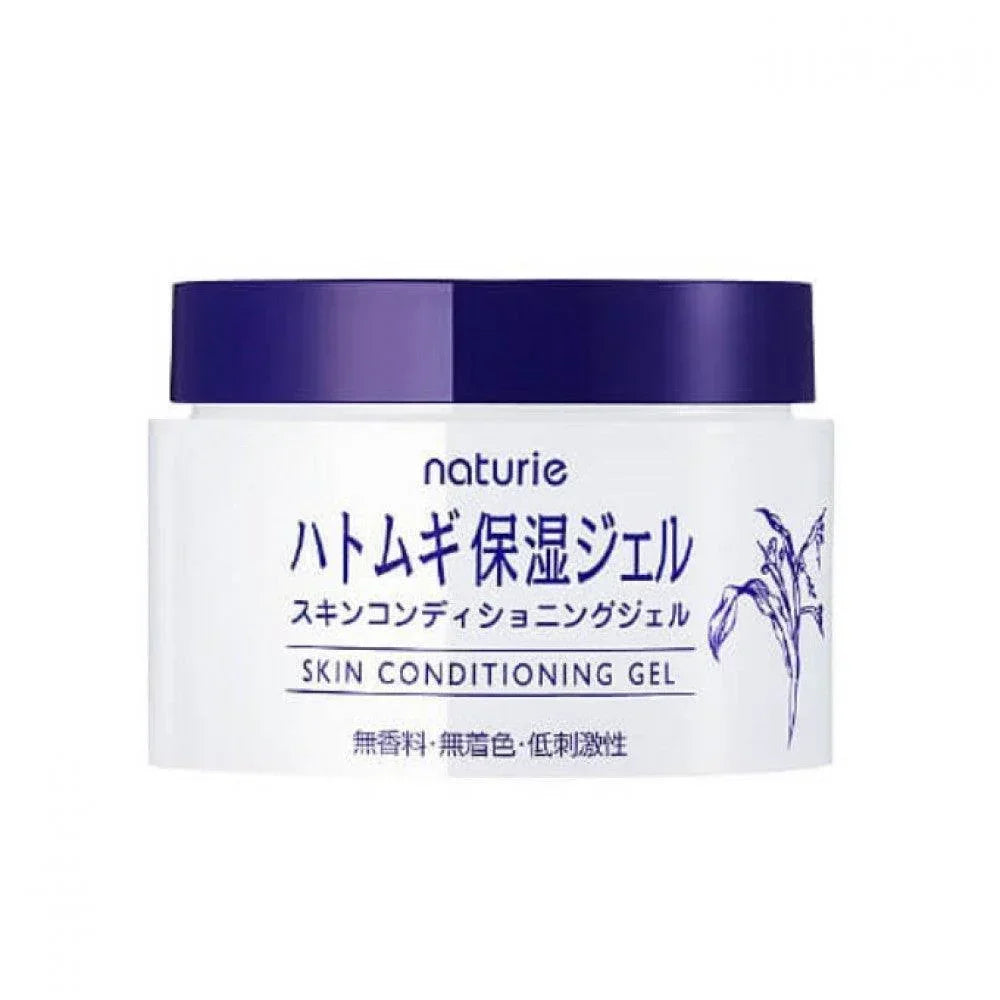
- Naturie Hatomugi Skin Conditioning Gel as a lightweight summer moisturizer. The gel texture absorbs instantly and layers well under sunscreen.
Vitamin C Serums
If you’ve been using a K beauty vitamin C product and want something comparable:
- Melano CC Premium Brightening Essence is the community favorite. Uses active vitamin C (ascorbic acid) in a tube format designed to minimize air exposure. No refrigeration needed, and the packaging helps prevent oxidation. Works on dark spots, acne marks, and general dullness.
- Hada Labo Shirojyun Medicated Whitening Body Lotion isn’t a direct serum swap, but Hada Labo’s Shirojyun line offers arbutin based brightening in the same reliable Hada Labo format. For the face, look at the Shirojyun vs Melano CC comparison.
Sheet Masks
K beauty dominates sheet masks, but Japanese options hold their own:
- Lululun makes daily use masks in bulk packs (the Pure and Precious lines come in 32 sheet bags). The Hydra V and Hydra EX variants target specific concerns like firming and barrier repair in smaller 7 sheet packs. Either way, the per mask cost is low enough for everyday use. A practical alternative to single use K beauty masks that often cost more per sheet.
The Minimalism Factor
Beyond individual product swaps, one of the biggest draws of J beauty for K beauty switchers is routine simplification.
The 10 step Korean skincare routine was great marketing, but most dermatologists and experienced skincare users have moved past it. What people want is fewer products that each do their job well.
Japanese routines typically look like this:
Morning: Cleanser (or water rinse) → Hydrating lotion → Sunscreen
Evening: Cleansing oil → Foaming cleanser → Hydrating lotion → Moisturizer
Four steps in the evening, three in the morning. That’s it. No essence, serum, ampoule, emulsion stack. The hydrating lotion (like Hada Labo) handles what multiple K beauty hydration layers try to do. The moisturizer seals it in.
This doesn’t mean you can’t add targeted treatments. A vitamin C serum in the morning or a retinol at night fits into a Japanese routine the same way it fits anywhere. But the baseline is simpler, and for people exhausted by product overload, that simplicity is the point.
What K Beauty Still Does Well
Switching doesn’t have to be all or nothing. K beauty still excels in certain categories:
- Lip products and color cosmetics: Korean brands lead in trendy makeup, gradient lips, and cushion compacts
- Centella/cica products: COSRX and Dr. Jart built the centella category, and while Japanese brands have options, the variety is wider in K beauty
- Ingredient variety and experimentation: If you like trying new actives (mugwort, propolis, rice bran extracts in novel formats), K beauty launches more frequently
The most practical approach for many people is a hybrid routine: Japanese staples for the products you need to be consistent (sunscreen, cleanser, hydrating toner) and Korean products for the categories where variety and experimentation add value.
FAQ
Is Japanese skincare better than Korean skincare?
Neither is categorically better. They reflect different market philosophies. Japanese brands prioritize formula consistency and ingredient refinement over long periods. Korean brands prioritize innovation and trend responsiveness. Which approach works better depends on what you value in a routine. If stability matters most, Japanese products tend to deliver it. If you enjoy trying new formulations frequently, K beauty offers more variety.
Why do Korean brands reformulate so often?
The Korean beauty market is intensely competitive, with thousands of brands vying for consumer attention. New ingredient trends (snail mucin, centella, galactomyces) drive rapid product cycles. When a trend peaks, brands update existing lines to include the popular ingredient, even if the original formula was working. Supply chain factors and regulation changes also play a role, but the primary driver is market pressure to stay relevant.
Can I mix Japanese and Korean skincare products?
Yes. There’s nothing about the formulations that makes them incompatible. Many people use Japanese sunscreens and cleansers alongside Korean serums or essences. Focus on what each individual product does for your skin rather than matching everything to one country of origin.
What’s the best Japanese product to try first if I’m coming from K beauty?
Sunscreen. Japanese sunscreens have the most noticeable difference in texture and wearability compared to Korean (and Western) options. Biore UV Aqua Rich Watery Essence SPF50+/PA++++ (Japanese Version) or Skin Aqua Tone Up UV Essence SPF50+ PA++++ are the two most recommended starting points. They’re affordable, widely available outside Japan, and demonstrate J beauty’s strengths immediately.
Where can I buy authentic Japanese skincare Outside Japan?
Japanese products are available at major retailers like Amazon, Target, and specialty stores that focus on Asian beauty. The challenge is verifying authenticity, especially on marketplace platforms. Our where to buy Japanese skincare guide covers which retailers are trustworthy and what to watch for.