Japanese beauty explained
Japanese vs Korean Skincare: What's Actually Different
This comparison comes up endlessly on Reddit, and for good reason. K beauty and J beauty are the two biggest Asian skincare movements globally, and if you’re into one, you’ve probably been curious about the other. A lot of people use products from both.
But “which is better?” is the wrong question. They have genuinely different philosophies, different strengths, and different approaches to the same goal of healthy skin. Understanding those differences helps you figure out which products and ideas actually fit what you’re looking for.
The Core Philosophy Difference
Korean skincare tends to be about visible transformation. Glass skin, that dewy glow, immediate results you can see and photograph. The product development cycle is fast, trend driven, and innovative. New ingredients, new textures, new concepts constantly.
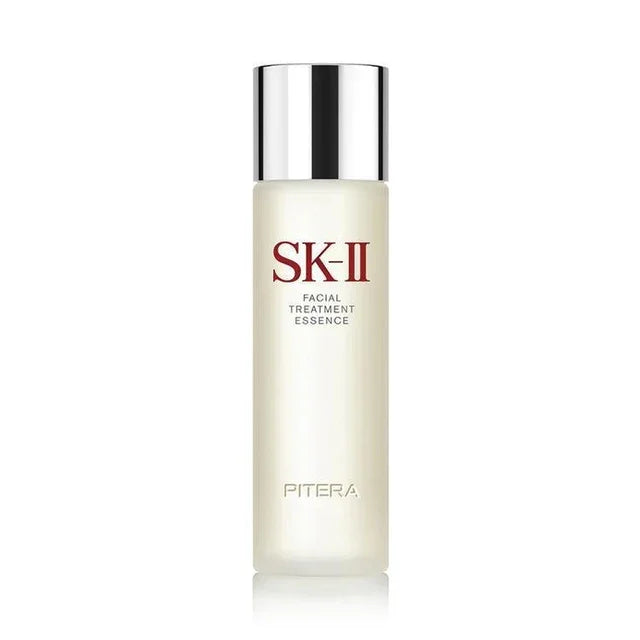
Japanese skincare is more about long term maintenance and prevention. The goal is healthy, resilient skin over time rather than dramatic before and afters. Formulations change slowly and incrementally. Many iconic Japanese products (Hada Labo Gokujyun, SK-II Facial Treatment Essence, DHC Cleansing Oil) have been around for decades with only minor updates.
Neither approach is better. One just prioritizes transformation, the other prioritizes consistency.
Ingredients and Formulation
K beauty is known for innovative, trend forward ingredients. Snail mucin, propolis, centella asiatica, fermented extracts, and whatever the next big active is. Products are often highly fragranced and have fun, attention grabbing packaging. Formulations tend to be more complex with longer ingredient lists.
J beauty leans toward simpler, shorter ingredient lists and time tested ingredients. Rice bran, sake ferment, camellia oil, green tea, hyaluronic acid, ceramides. Fragrance is less common in drugstore J beauty products. The emphasis is on fewer, more refined ingredients working together.
Both use fermented ingredients extensively but differently. K beauty popularized snail mucin and propolis. J beauty is more likely to use sake and rice ferment.
Product Types and Routines
The famous 10 step Korean routine put K beauty on the map. While most K beauty enthusiasts don’t actually do all 10 steps every day, the culture does encourage layering multiple products.
Japanese routines tend to be shorter and more focused on getting each step right. A typical J beauty routine is 4 to 5 steps: double cleanse, hydrating lotion, moisturizer, and sunscreen. There’s less emphasis on having a serum AND an ampoule AND an essence. The Hada Labo lotion plus a moisturizer and sunscreen is a complete routine for a lot of J beauty fans.
Sunscreen
This is where Japanese skincare has a clear edge that even most K beauty fans acknowledge.
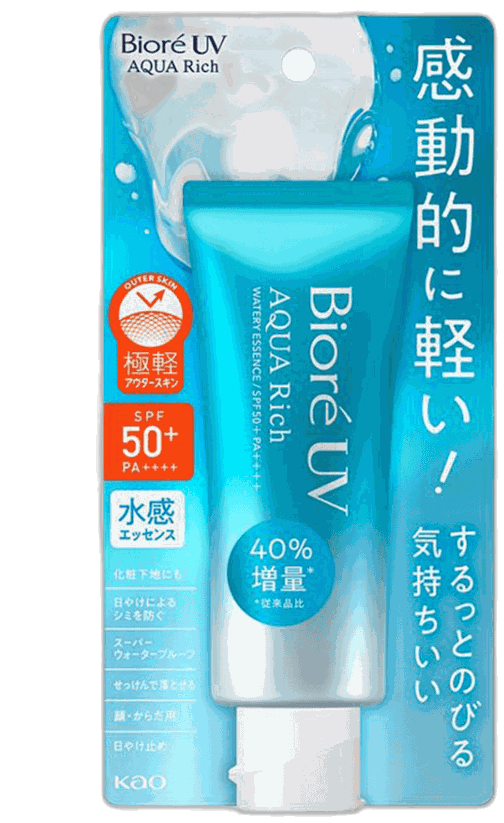
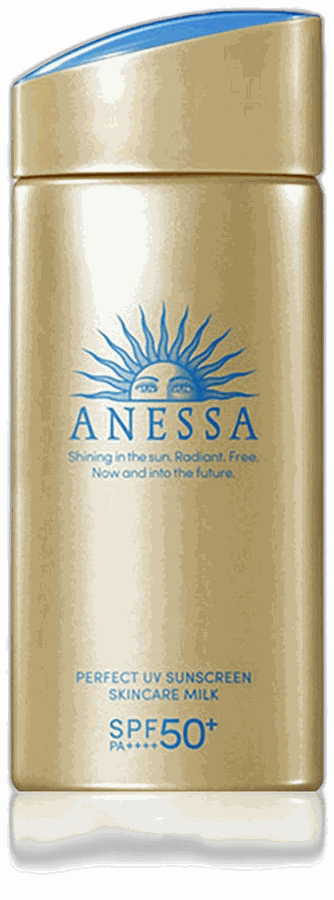
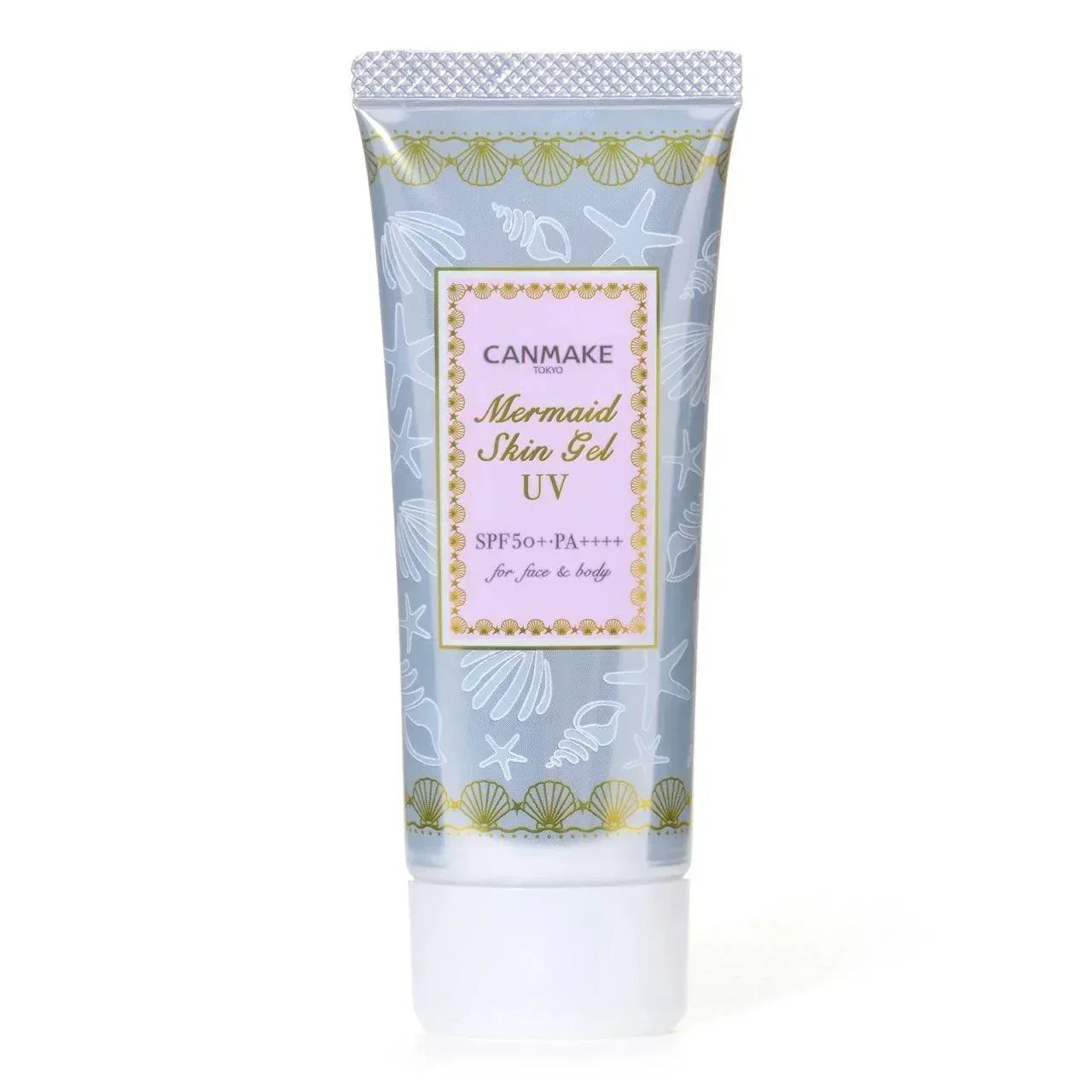
Japanese sunscreens are widely considered the gold standard. Brands like Biore, Anessa, Skin Aqua, and Canmake produce sunscreens with advanced UV filters, elegant textures, and PA++++ protection at affordable prices. The innovation in Japanese sun care is years ahead of both the US and Korean markets. See our best Japanese sunscreen roundup and the full Japanese vs Korean sunscreen comparison for details.
Korean sunscreens have improved significantly and brands like Beauty of Joseon have become very popular. But the variety, texture range, and UV filter technology from Japanese brands is still unmatched.
Packaging and Marketing
K beauty leads in marketing, branding, and making skincare feel fun and accessible. Cute packaging, engaging social media presence, collabs with K pop stars. K beauty brands are generally better at reaching Western audiences on platforms like TikTok and Instagram.
J beauty packaging tends to be more minimal and functional, especially at the drugstore level. Marketing is less flashy. This means Japanese products often fly under the radar until someone in the skincare community discovers them and word spreads organically.
The exception is Japanese luxury brands (SK-II, Decorté, Clé de Peau, POLA) which have polished branding on par with any beauty brand globally.
Price Points
Both markets have affordable drugstore tiers and expensive luxury tiers.
K beauty tends to be very competitive on price. Brands like COSRX, Beauty of Joseon, and Innisfree deliver quality at accessible prices. The K beauty supply chain to the US is well established through retailers like Soko Glam and Olive Young.
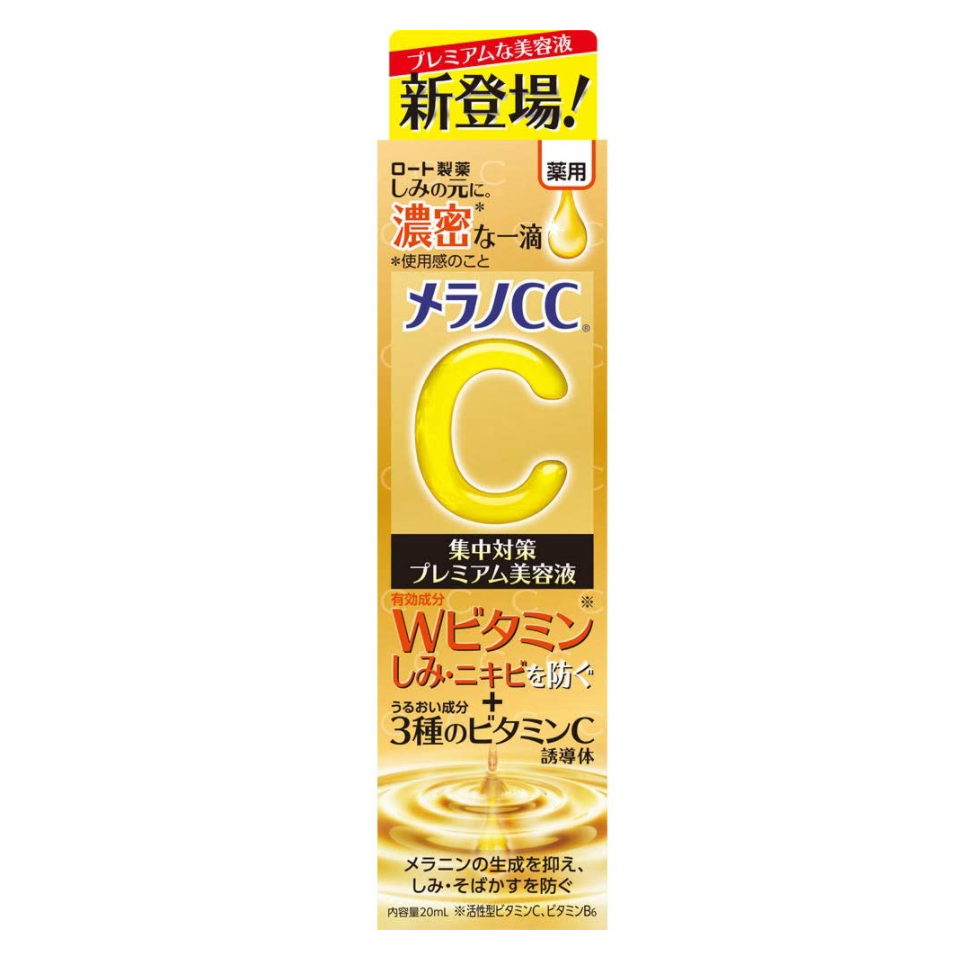
J beauty drugstore (Hada Labo, Canmake, Biore, Naturie, Melano CC) is similarly affordable, especially if you buy from Japan based retailers. But the Availability of J beauty drugstore brands is still catching up to K beauty. You’re more likely to find Korean products at your local Target or CVS than Japanese ones.
J beauty luxury (SK-II, Decorté, Clé de Peau, POLA) can be very expensive, though there are affordable SK-II alternatives that get close. The prestige tier in Japanese skincare is a bigger part of the market than it is in K beauty.
Availability Outside Japan
K beauty has a significant head start in US distribution. Korean beauty brands are widely available at Target, Sephora, CVS, and dedicated retailers like Soko Glam and Olive Young. Finding K beauty products in person is easy in most US cities.
J beauty is catching up but still more niche. Major retailers carry some Japanese brands (mainly luxury lines like Shiseido and SK-II), but the popular drugstore products usually require ordering from specialty online stores or retailers that ship from Japan.
Directories and curated retailers that focus specifically on Japanese products are helping close that gap, and availability is improving every year.
Which Should You Try?
This isn’t really an either/or decision. Tons of people use both, and that’s arguably the best approach. Some general guidance:
You might lean toward J beauty if you:
- Prefer simpler routines with fewer products
- Care a lot about sunscreen quality
- Like minimal, fragrance free formulations
- Are looking for long term skin health over quick results
- Enjoy the “less is more” philosophy
You might lean toward K beauty if you:
- Love trying new products and ingredients
- Want that glass skin glow
- Prefer more affordable products with wide Availability
- Enjoy the fun, trend driven side of skincare
- Like more steps and layering in your routine
Or just take the best from both. A Japanese sunscreen (Biore, Anessa) with a Korean essence (COSRX Snail Mucin) with a Japanese lotion (Hada Labo) is a completely normal routine that lots of people swear by.


Related: Japanese vs Korean Sunscreen · Best Japanese Skincare Brands · Japanese Skincare Routine for Beginners
FAQ
Is Japanese skincare better than Korean skincare?
Neither is categorically “better.” Japanese skincare tends to excel in sunscreens, simple hydrating products, and long term skin maintenance. Korean skincare tends to excel in innovative actives, affordable serums, and trend forward products. Most skincare enthusiasts end up using products from both. If you’re already leaning toward Japanese products, our guide on why K beauty fans are switching to J beauty covers specific product swaps.
Can you use Japanese and Korean products together?
Yes, and many people do. There’s no compatibility issue. Skincare ingredients don’t care what country the product was made in.
Why is K beauty more popular internationally than J beauty?
K beauty had a roughly 5 to 10 year head start in marketing to Western audiences, partly driven by the global Korean Wave (K pop, K dramas). Korean beauty brands invested heavily in English language marketing and US distribution partnerships earlier than Japanese brands did. J beauty is growing but hasn’t had the same cultural push.
What’s the biggest misconception about J beauty?
That it’s all expensive luxury products. The reality is that the most beloved Japanese skincare products (Hada Labo, Canmake, Biore, Melano CC, Naturie) are all drugstore products that cost under $15. The luxury brands (SK-II, Decorté) get the most press, but the affordable products are what the community actually uses daily.