Japanese beauty explained
Japanese Sunscreen vs Korean Sunscreen: Which Is Better?
Both Japanese and Korean sunscreens have earned huge followings in the skincare community. They’re lighter, more elegant, and (many would argue) more effective than anything available from US brands. But they’re not the same, and understanding the differences helps you pick the right one.
This covers how Japanese and Korean sunscreens differ in UV filters, texture, regulation, and which situations each handles better.
UV Filter Technology
This is the biggest difference and the one that matters most for actual protection.
Japanese sunscreens use a wider range of advanced UV filters, including Tinosorb S, Uvinul A Plus, and various stabilized chemical filters that provide strong, photostable UVA protection. Japanese sunscreen R&D is heavily funded (Shiseido, Kao, and Rohto are pharmaceutical companies with massive research budgets) and new filter combinations appear in annual reformulations.
Korean sunscreens use many of the same filters available in Japan and Europe, but the formulation philosophy tends to prioritize skin feel and cosmetic elegance. Korean brands like Beauty of Joseon and Isntree have gotten very good at making sunscreens that feel beautiful on skin. The UV protection is solid, but the bleeding edge of filter innovation still comes from Japan.
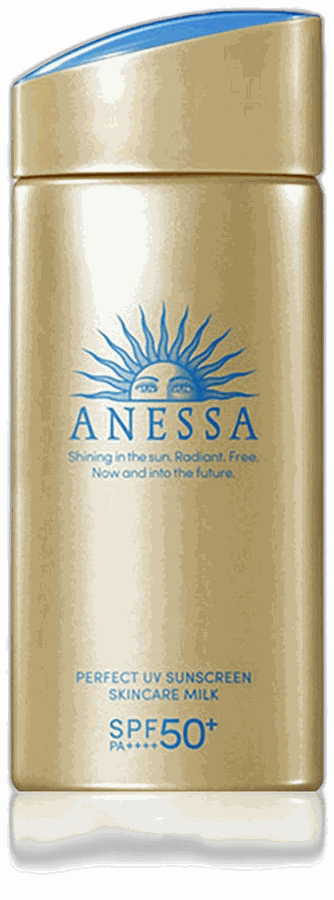
The practical difference: for everyday wear with moderate sun exposure, both are excellent. For serious outdoor protection (beach, hiking, hot humid summers), Japanese sunscreens like Anessa Perfect UV Milk have a performance edge that the community widely acknowledges.
The PA++++ Rating
Both Japan and Korea use the PA rating system (PA+ through PA++++), which measures UVA protection. This already puts both ahead of US sunscreens, which only show “Broad Spectrum” without specifying how much UVA protection you’re actually getting.
Most popular sunscreens from both countries carry PA++++, so this isn’t a meaningful differentiator between Japanese and Korean products. It’s a differentiator between both Asian markets and the international market.
Texture and Finish
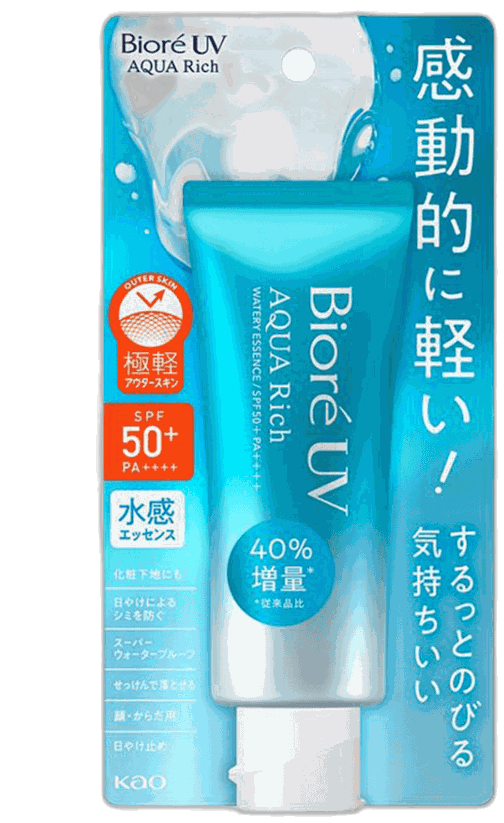
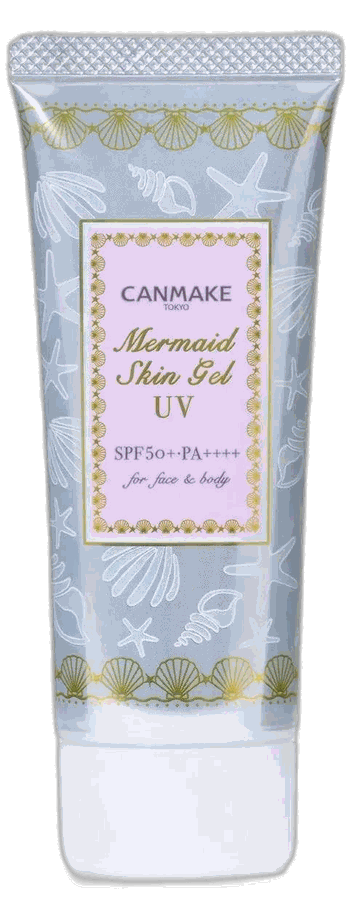
Japanese sunscreens come in a wider range of textures: watery essences, smooth gels, fluid milks, tone up formulas, and gel creams. The texture variety is unmatched. Products like Biore UV Aqua Rich Watery Essence and Canmake Mermaid Skin Gel UV set the standard for “feels like nothing on skin.”
Korean sunscreens also have great textures, and some recent K beauty sunscreens have pushed the cosmetic elegance even further. Beauty of Joseon Relief Sun is one of the most popular sunscreens on social media right now, largely because of how it looks and feels on skin. Korean brands tend to be better at the “skincare hybrid” approach where the sunscreen feels more like a serum or moisturizer.
Both are miles ahead of the thick, white, greasy formulas that dominated the international market for years.
Water and Sweat Resistance
Japanese sunscreens tend to have stronger sweat and water resistance, especially the milk format products.
Anessa Perfect UV Sunscreen Skincare Milk is widely considered the strongest daily wear sunscreen available. Shiseido’s auto repair technology causes the UV film to strengthen with heat and humidity. The community reaches for Anessa specifically when sun protection can’t fail. (For help choosing between formulas, see our Anessa Milk vs Gel vs Mild comparison.)
Korean sunscreens have been improving here, but water and sweat resistance is still where Japanese formulations have the clearest advantage.
Price
Korean sunscreens tend to be slightly cheaper on average, and they’re easier to find outside Japan (available at Target, Sephora, Olive Young, and many online retailers).
Japanese drugstore sunscreens are still very affordable (most are under $15 even imported), but require ordering from specialty J beauty retailers or Asia based shops. The extra step and slightly higher prices for import reflect the logistics, not the product quality.
Availability Outside Japan
K beauty sunscreens are much easier to find. Beauty of Joseon, Isntree, COSRX, and Round Lab sunscreens are widely stocked at major retailers and online.
J beauty sunscreens require more effort. Biore UV Aqua Rich, Skin Aqua, and Canmake need to be ordered from specialty retailers. Anessa is available at some Sephora locations but not consistently.
Compared to American and European Sunscreens
The comparison doesn’t stop at Japan vs Korea. Both are generally preferred over US sunscreens in the skincare community because:
- More advanced UV filters. The US FDA hasn’t approved new UV filters since the 1990s. Japan and Korea (and Europe) use modern filters that provide better UVA protection in lighter formulas.
- Better textures. No white cast, no greasy film, no pilling under makeup.
- PA++++ labeling. You know exactly how much UVA protection you’re getting, unlike the US “Broad Spectrum” label.
European sunscreens (La Roche Posay, Bioderma) use similarly advanced filters to Asian sunscreens, but the textures tend to be heavier and the prices higher.
Australian sunscreens have strong protection standards but similar texture issues to US products.
So Which Should You Use?
Choose Japanese sunscreens if:
- Sun protection performance is your top priority
- You want the widest variety of textures (essences, gels, milks)
- You need serious water/sweat resistance
- You’re willing to order from specialty retailers
Choose Korean sunscreens if:
- You want something easy to buy outside Japan
- Cosmetic elegance and skin feel matter most
- You prefer a “skincare first” hybrid formula
- You want good protection at the lowest possible price
Or use both. Many people in the community keep a Japanese sunscreen for outdoor days (Anessa Milk) and a Korean one for everyday wear (Beauty of Joseon). There’s no rule that says you have to pick a side.
Related: Best Japanese Sunscreen · Japanese vs American Sunscreen · What Does PA++++ Mean?
FAQ
Is Japanese sunscreen really better than Korean sunscreen?
For UV filter technology and water/sweat resistance, Japanese sunscreens have a slight edge. For cosmetic elegance at a lower price with easier Availability, Korean sunscreens compete well. “Better” depends on what you prioritize.
Why do people import Japanese sunscreen when Korean sunscreen is easier to find?
Specific products. The Japanese versions of Biore Aqua Rich, Anessa Milk, and Skin Aqua Tone Up have developed cult followings because of their specific formulations. People seek those specific products, not just “Asian sunscreen” generically.
Are Japanese and Korean sunscreens safe?
Yes. Both countries have rigorous cosmetics regulations, and the UV filters used have decades of safety data from use across Japan, Korea, Europe, and Australia. The US simply hasn’t updated its approved filter list, which is a regulatory lag, not a safety issue.
Which lasts longer without reapplication?
Japanese milk format sunscreens (like Anessa) tend to have the best staying power due to water/sweat resistance technology. But all sunscreens should be reapplied every 2 hours during active sun exposure regardless of origin.