Japanese beauty explained
Why Sephora Shoppers Are Switching to Japanese Sunscreen
Spend any time on skincare Reddit and you’ll notice a pattern. Someone asks for sunscreen recommendations, and the replies split into two camps: Sephora shoppers naming Supergoop, Elta MD, and La Roche Posay at $35 to $65 a bottle, and a growing group of converts quietly saying “just try Japanese sunscreen.”
The converts are winning. Not because they’re louder, but because the differences are hard to ignore once you’ve tried both. This isn’t a “Japanese products are superior” argument. It’s a practical breakdown of what you get for your money, how the formulas feel on your skin, and why the texture gap exists in the first place.
The Texture Problem With Western Sunscreens
If you’ve ever applied Supergoop Unseen Sunscreen and thought “this is the best sunscreen can feel,” Japanese sunscreens will reframe that entirely.
Western sunscreens have a texture ceiling. Even the good ones (and Supergoop Unseen is genuinely good) rely on a limited set of UV filters approved by the FDA. Those filters are harder to formulate into lightweight textures. The result: silicone heavy primers that blur and mattify (Supergoop Unseen), thick lotions that need time to sink in (Elta MD UV Clear), or tinted options that trade protection for cosmetic elegance.
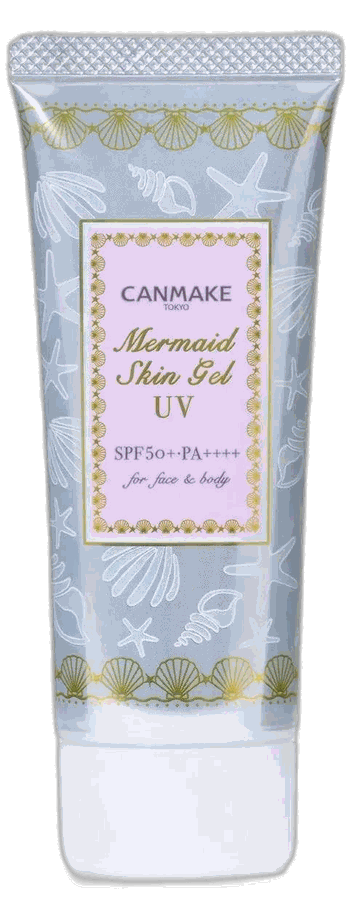
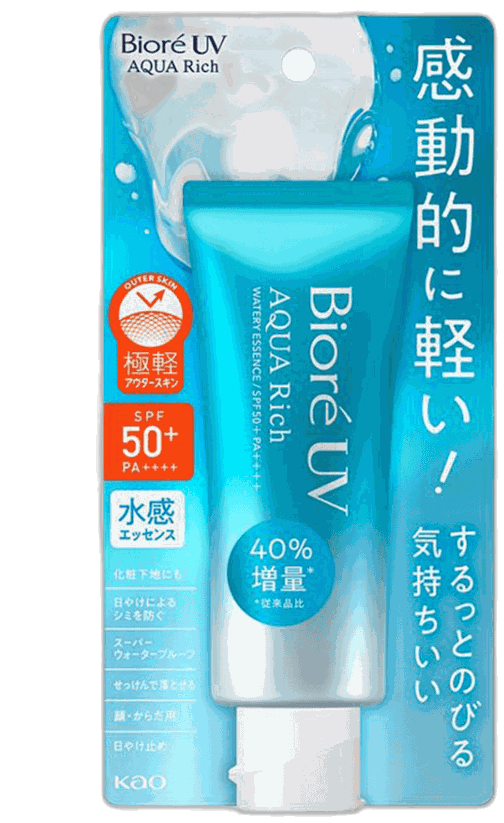
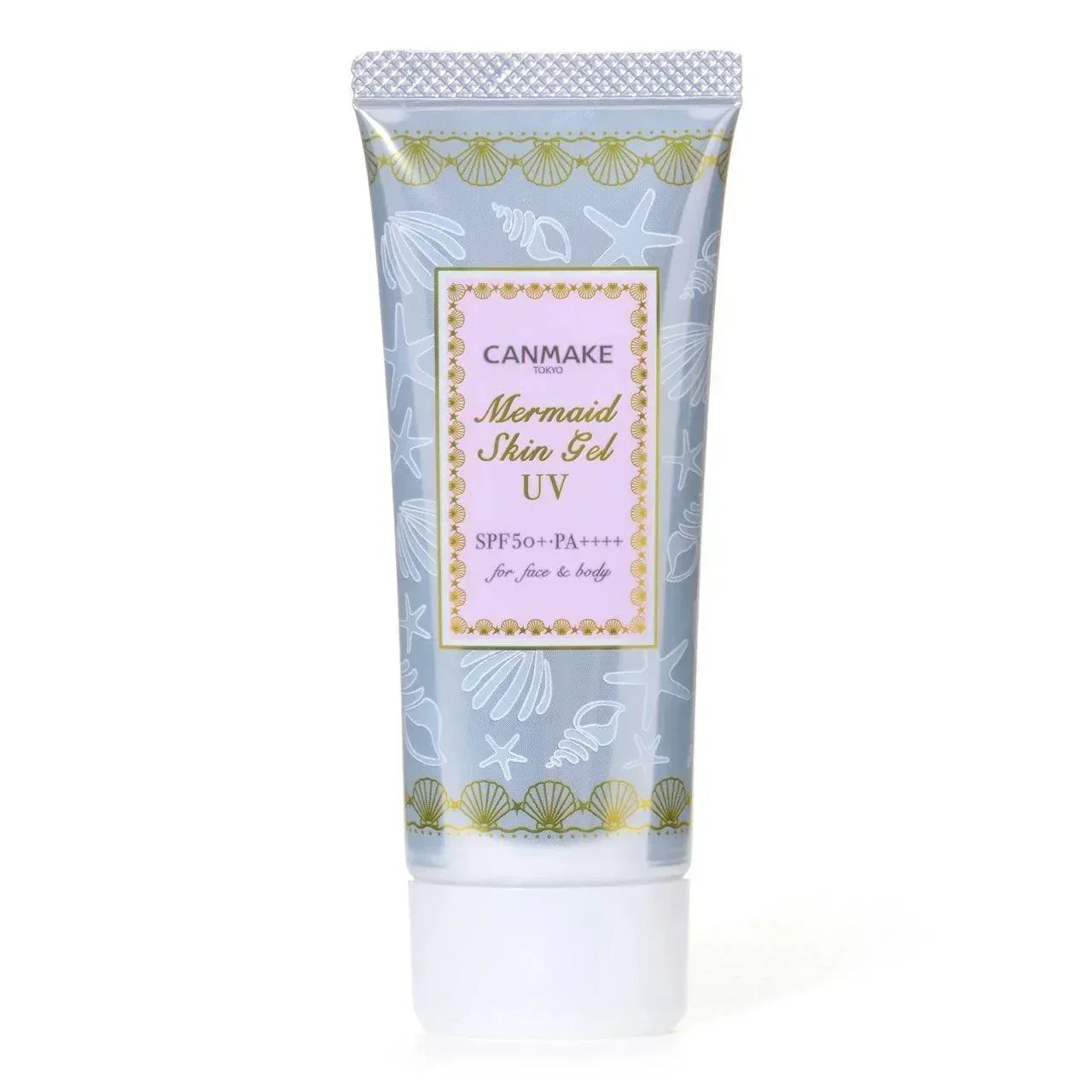
Japanese sunscreens feel like skincare. Biore UV Aqua Rich Watery Essence SPF50+/PA++++ (Japanese Version) applies like a light serum. Canmake Mermaid Skin Gel UV SPF50+/PA++++ has a watery, dewy finish that works as a primer without the heavy silicone feel. Skin Aqua UV Super Moisture Gel SPF50+/PA++++ is so lightweight you forget you’re wearing SPF at all.
The texture difference isn’t marketing. It comes from the formulas themselves.


Why Japanese Formulas Feel Different (the Science)
The FDA hasn’t approved a new UV filter since 1999 (though bemotrizinol was proposed for approval in late 2025). Japanese sunscreens use newer generation filters that have been approved in Japan (and across the EU and Asia) for years. These filters matter because they directly affect how a sunscreen feels on your skin.
Newer UV filters in Japanese sunscreens include:
- Tinosorb S (bemotrizinol): A broad spectrum UVA/UVB filter that’s photostable and easy to formulate into lightweight textures. This is the backbone of many Japanese sunscreens, including the Biore UV Aqua Rich Watery Essence SPF50+/PA++++ (Japanese Version).
- Uvinul A Plus (DHHB): A powerful UVA filter that allows formulators to reduce the amount of heavier, greasier filters needed for protection.
- Uvinul T 150 (ethylhexyl triazone): An efficient UVB filter that provides high SPF with lower concentrations, meaning less product on your face.
American sunscreens mostly rely on avobenzone (for UVA) and octinoxate or homosalate (for UVB). Avobenzone is notoriously unstable and needs stabilizers, which add bulk to formulas. The older filters also tend to sting eyes, leave white casts, and feel greasy. That’s not a quality problem from the brands. It’s a regulatory limitation.
What about mineral sunscreens? Zinc oxide and titanium dioxide work fine for protection, but they’re inherently heavier and almost always leave some level of white cast, especially on deeper skin tones. For a full breakdown of how Japanese and American sunscreen formulas differ, see our Japanese vs American sunscreen comparison.
PA++++ vs “Broad Spectrum”: What You’re Getting
In the US, a sunscreen earns the “broad spectrum” label by passing a critical wavelength test: it needs to show UV absorbance across wavelengths up to at least 370nm. That tells you the sunscreen covers both UVA and UVB, but it says nothing about how much UVA protection you’re getting. There’s no tiered rating system.
Japan uses the PA rating system, which grades UVA protection on a scale from PA+ (some protection) to PA++++ (extremely high protection). Every Japanese sunscreen in this article is rated PA++++, the highest tier.
This matters because UVA rays are responsible for skin aging and contribute to skin cancer risk. SPF only measures UVB protection (the rays that cause sunburn). Two sunscreens can both say “SPF 50, Broad Spectrum” and offer wildly different levels of UVA protection. With PA++++, you know where you stand. We have a full explainer on what PA++++ means if you want the details.
The Price Comparison
This is where the conversion happens. Here’s what you’re paying per ounce at typical US retail prices:
Western SPFs (Sephora prices):
- Supergoop Unseen Sunscreen SPF 40: ~$22 per oz (1.7 oz for $38)
- Supergoop Glowscreen SPF 40: ~$22 per oz (1.7 oz for $38)
- Elta MD UV Clear SPF 46: ~$24 per oz (1.7 oz for $41)
- La Roche Posay Anthelios Melt In Milk SPF 60: ~$13 per oz (5 oz for $65, though this is a body format)
Japanese SPFs (typical US retail prices):
- Biore UV Aqua Rich Watery Essence SPF50+/PA++++ (Japanese Version): ~$5 to $8 per oz (1.7 oz for $9 to $14)
- Canmake Mermaid Skin Gel UV SPF50+/PA++++: ~$7 to $10 per oz (1.4 oz for $10 to $14)
- Skin Aqua UV Super Moisture Gel SPF50+/PA++++: ~$4 to $6 per oz (3.7 oz for $13 to $15)
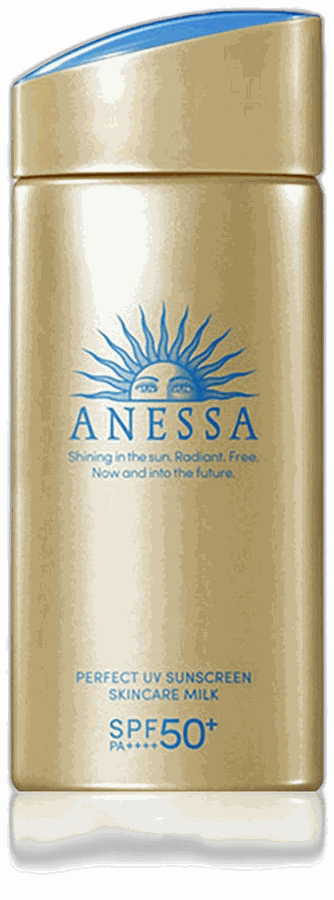
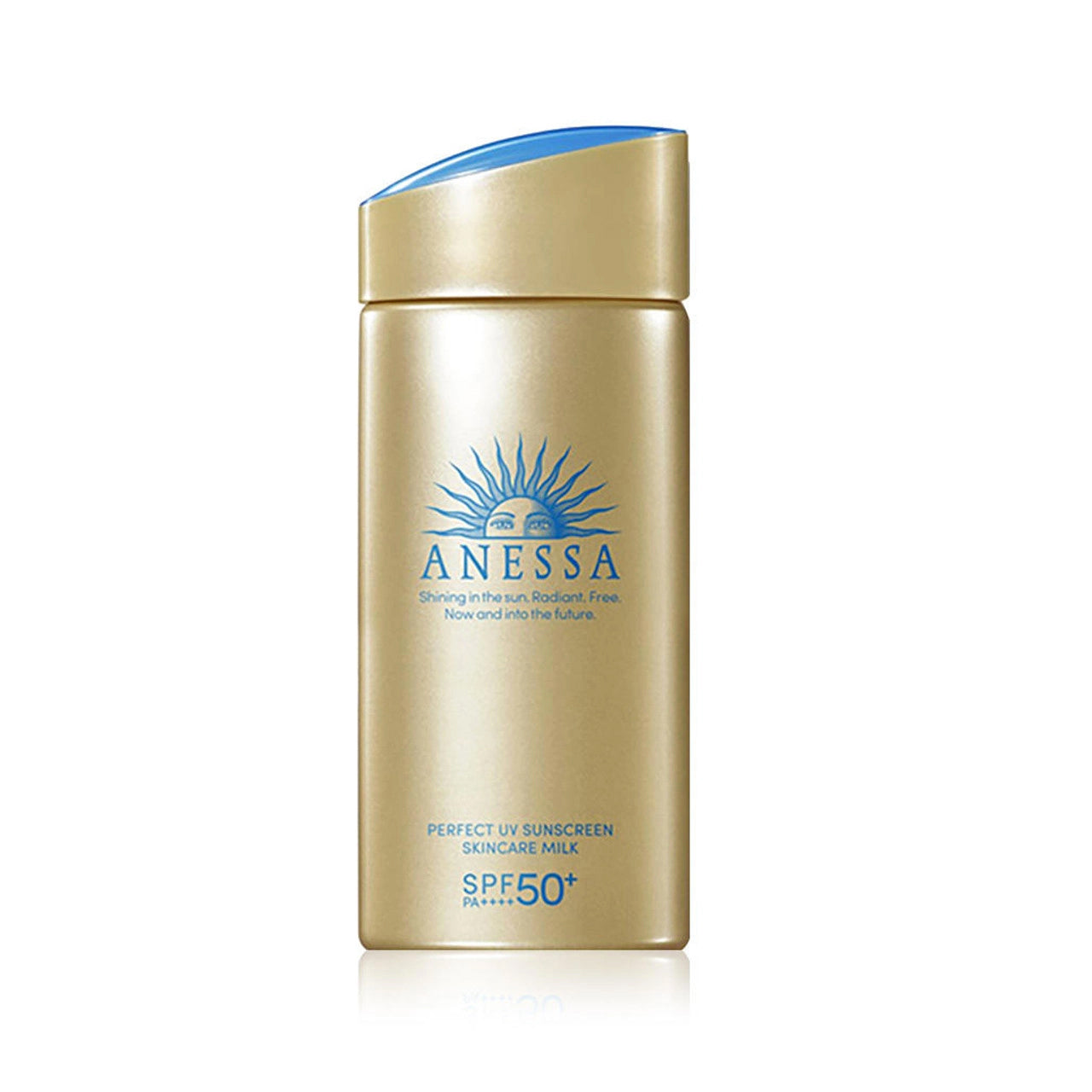
- Anessa Perfect UV Sunscreen Skincare Milk SPF50+/PA++++: ~$12 to $15 per oz (2 oz for $25 to $30, the premium option)
Even the most expensive Japanese option (Anessa) costs less per ounce than the cheapest Sephora sunscreen in this list. The affordable picks like Skin Aqua and Biore cost a fraction.
When sunscreen should be applied generously (a full finger length for your face alone) and reapplied every two hours, price per ounce isn’t trivial. At Sephora prices, most people under apply because a $38 bottle lasting two weeks feels painful.
Head to Head: Three Swaps Worth Trying
The Primer Swap: Canmake Mermaid Skin Gel vs Supergoop Unseen
Supergoop Unseen is beloved for its clear, silicone primer finish. If that’s what drew you to it, Canmake Mermaid Skin Gel UV SPF50+/PA++++ is the closest Japanese equivalent, and Reddit’s r/AsianBeauty community has called it out as a direct alternative.
Both apply clear with no white cast. The key difference: Canmake uses a water gel formula instead of heavy silicones, so it layers better under foundation without pilling. It also offers PA++++ UVA protection versus Supergoop’s untiered “broad spectrum.” Price difference: roughly $10 to $14 versus $38. For the full breakdown, see our Canmake vs Biore comparison.
Canmake
8 retailersSee retailers →
The Everyday Swap: Biore Aqua Rich vs Elta MD UV Clear
Elta MD UV Clear is the dermatologist office staple. It’s recommended constantly for acne prone skin because of its niacinamide content. But the texture is thick, and it can feel heavy on humid days.
Biore UV Aqua Rich Watery Essence SPF50+/PA++++ (Japanese Version) is the most popular Japanese sunscreen for a reason. The watery essence texture absorbs in seconds and sits flat under makeup. It uses newer UV filters (Tinosorb S, Uvinul A Plus) that offer broad spectrum protection without the heavy, greasy feel. At roughly one third the price, it’s the swap most people make first.
One note: the Japanese version and the US version of Biore Aqua Rich have different formulas. The Japanese version uses the newer filters mentioned above. Make sure you’re buying the Japanese import.
Biore
10 retailersSee retailers →
The Glow Swap: Skin Aqua UV Super Moisture Gel vs Supergoop Glowscreen
Supergoop Glowscreen gives a pearlescent, dewy finish. It’s popular for the “glass skin” effect. Skin Aqua UV Super Moisture Gel SPF50+/PA++++ achieves a similar hydrated glow through a completely different approach: a water gel formula loaded with hyaluronic acid that gives skin a natural, bouncy sheen without shimmer particles.
Skin Aqua’s gel format also comes in a larger 110g (3.7 oz) size, making it practical for face and neck daily use without rationing. At $13 to $15 for the large size, you can apply generously and reapply without wincing.
Skin Aqua
6 retailersSee retailers →
What About Skin Aqua UV Super Moisture Milk?
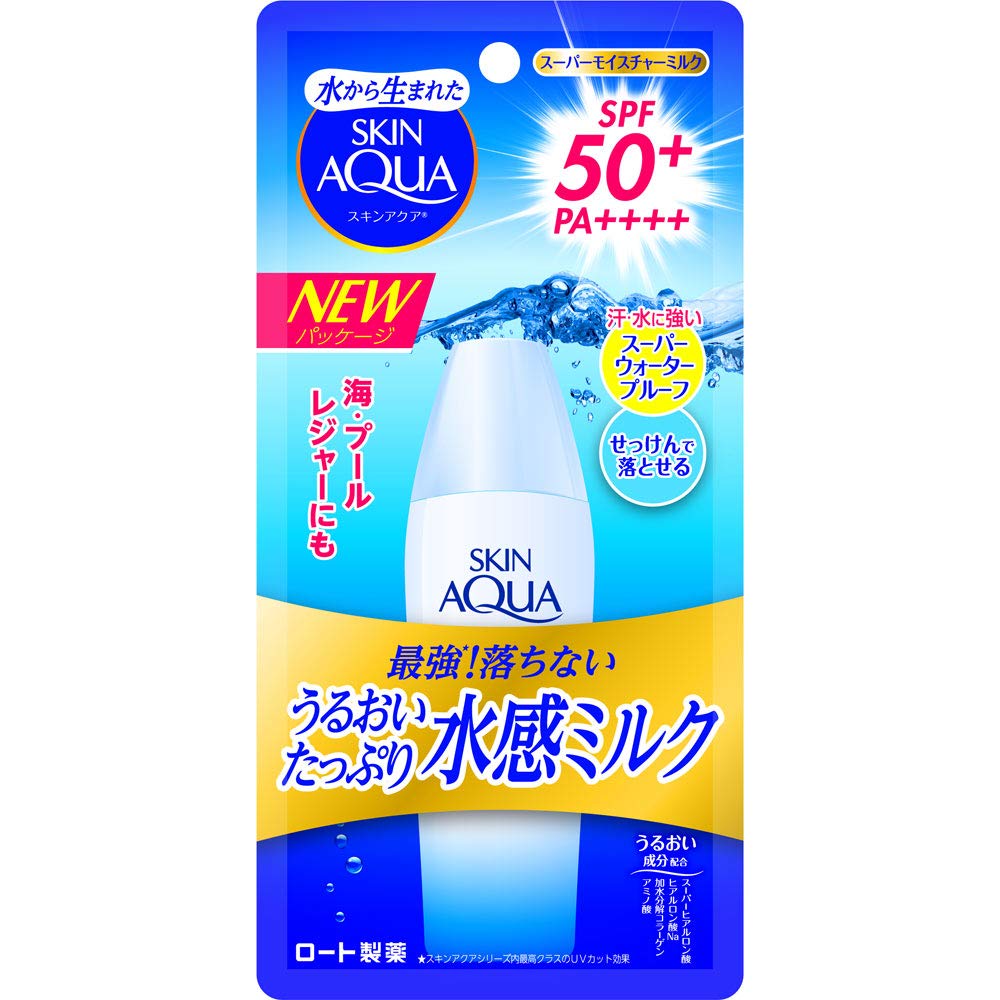
Skin Aqua UV Super Moisture Milk SPF50+/PA++++ deserves a separate mention. It’s a milky, lightweight formula that’s popular with people who find even gels too dewy. The finish is more matte and natural, similar to what Elta MD tries to achieve but with a fraction of the weight. If you have oily skin and the gel options feel too hydrating, the milk is worth trying.
Rohto
2 retailersSee retailers →
Other Japanese Sunscreens Worth Knowing
Beyond the direct swaps above, a few other options stand out for specific needs:
-
Anessa Perfect UV Sunscreen Skincare Milk SPF50+/PA++++: The premium pick. Anessa is Shiseido’s dedicated sun care line. The Perfect UV Milk is water and sweat resistant, making it the go to for outdoor activities, beach days, or anyone who needs sunscreen that holds up under real conditions. It costs more than Biore or Skin Aqua but still undercuts most Sephora SPFs.
-
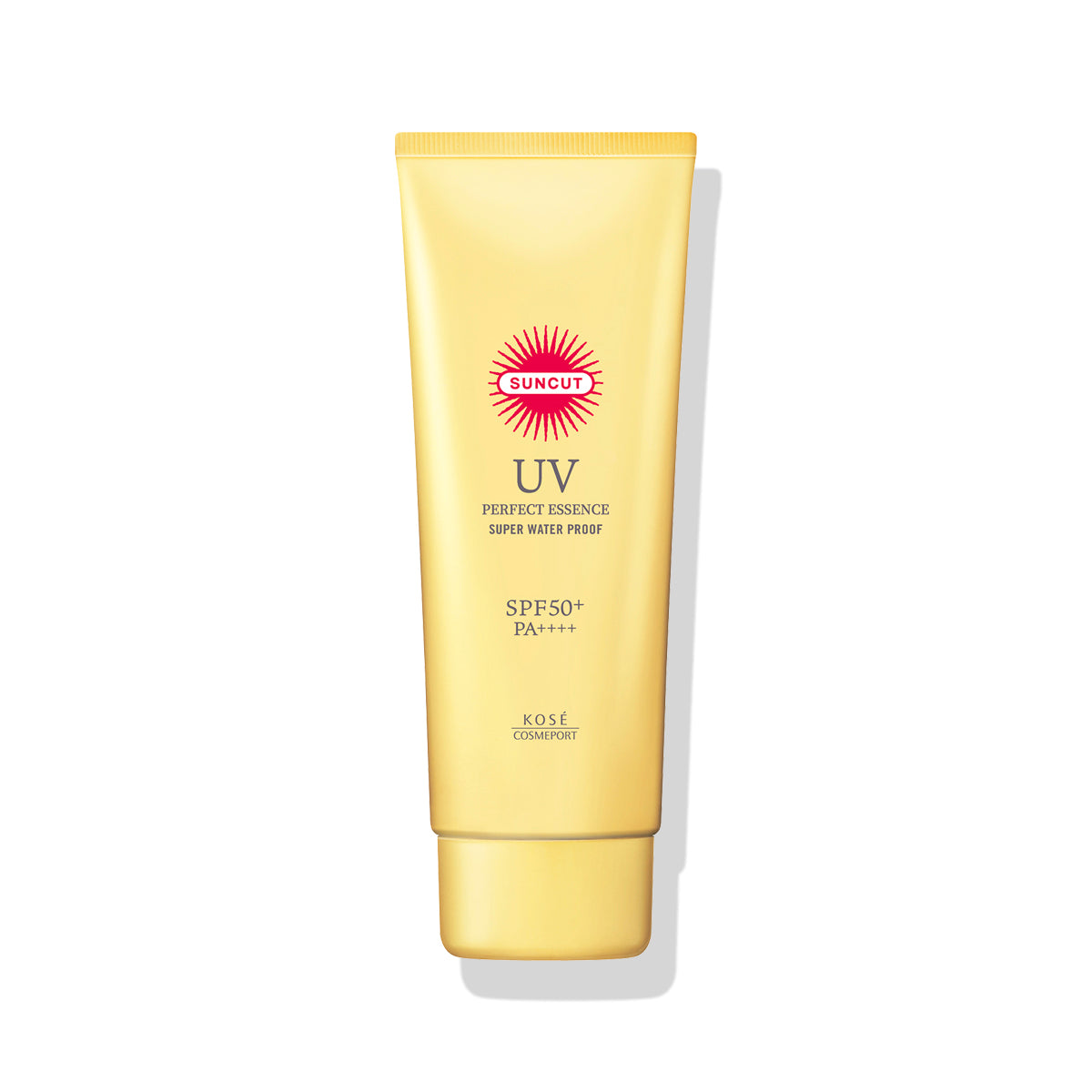
KOSE Suncut UV Perfect Essence SPF50+/PA++++: A lighter option from Kose that applies with almost no scent and dries down completely. Good for people sensitive to fragrance.
-
Nivea UV Deep Protect & Care Gel SPF50+/PA++++: NIVEA’s Japanese sunscreen line (not the same as what’s available internationally or Europe). A large format gel that’s great for daily body use at a low price point.
-
Allie Chrono Beauty Color Tuning UV: From Kanebo, this one doubles as a color correcting primer with tone up effects. Good for people who want SPF and a touch of coverage in one step.
Where to Buy Japanese Sunscreen Outside Japan
The biggest barrier for Sephora shoppers isn’t price or willingness. It’s knowing where to buy authentic Japanese sunscreens. Amazon carries many of these, but counterfeit and expired products are a real concern with third party sellers.
Specialty retailers that import directly from Japan are the most reliable option. You can also find select Japanese sunscreens at retailers like Target (which now carries some Biore and Anessa products).
For a full list of retailers carrying each product, check the individual product pages linked above. If you’re not sure which format to start with (gel, milk, essence, cream), this guide to Japanese sunscreen types breaks down the differences. And for a ranked overview of the top picks, see our best Japanese sunscreen roundup.
FAQ
Are Japanese sunscreens safe to use?
Yes. The UV filters used in Japanese sunscreens (like Tinosorb S and Uvinul A Plus) have been approved and widely used across Japan, the EU, Australia, and most of the world for years. Most haven’t been FDA approved for the US market yet (bemotrizinol is currently under FDA review), which is why American brands haven’t been able to use them. That’s a regulatory bottleneck, not a safety concern. For a deeper look at this topic, read our guide to Japanese sunscreens and the FDA.
Do Japanese sunscreens provide enough protection?
PA++++ rated Japanese sunscreens provide extremely high UVA protection combined with SPF 50+ UVB protection. Many have been independently tested and performed well. The key is applying enough (about a quarter teaspoon for the face) and reapplying every two hours with sun exposure.
Will Japanese sunscreen work under my makeup?
This is one of the main reasons people switch. Japanese sunscreens are formulated to sit flat under makeup. Products like Canmake Mermaid Skin Gel UV SPF50+/PA++++ and Biore UV Aqua Rich Watery Essence SPF50+/PA++++ (Japanese Version) work as primers. Many users on r/AsianBeauty report that foundation applies better over Japanese sunscreens than over Western options like Supergoop Play.
What’s the difference between the Japanese and US versions of Biore Aqua Rich?
The Japanese version uses newer UV filters (including Tinosorb S) that aren’t FDA approved, giving it better UVA protection and a lighter texture. The US version uses FDA approved filters, which changes both the feel and the protection profile. For the formula discussed in this article, look specifically for the Japanese import version.
How do I know if a Japanese sunscreen on Amazon is authentic?
Check the seller. Products sold directly by the brand or by well known importers are generally safe. Third party marketplace sellers are riskier. For peace of mind, buy from specialty J beauty retailers that import directly from Japan. Our retailer directory lists verified options for each product.