Japanese beauty explained
Sun Damage Is 80% of Skin Aging. Japan Built a Whole Industry Around That.
If you are using expensive serums but skipping sunscreen on cloudy days, you have the order backwards. Dermatology research consistently puts roughly 80 to 90 percent of visible facial aging down to UV exposure, not the number of birthdays you have had. That single fact explains almost everything distinctive about Japanese skincare:
- Sunscreen is treated as an anti-aging product, not a beach product, and it gets worn year-round
- Brightening actives are regulated as quasi-drugs, so products like HAKU Melanofocus have had their efficacy reviewed by the government rather than just marketed
- Prevention and repair are separate shelves: UV protection to stop new damage, tranexamic acid and vitamin C to work on what is already there
This guide covers what UV actually does to skin over time, what can and cannot be undone, and which Japanese products address each part.
What UV actually does
There are two wavelengths that matter, and they age skin differently.
UVB burns. It is strongest in summer and midday, it is what SPF numbers measure, and it is largely blocked by window glass. It causes the obvious short-term damage.
UVA ages. It penetrates deeper into the dermis where collagen and elastin live, it stays relatively constant across seasons and daylight hours, and it passes straight through window glass. It is the wavelength behind loss of firmness, and it is the reason Japanese sunscreens make such a point of the PA rating.
That second one is why Japanese sunscreen habits look excessive to outsiders. Sitting by a window in February is still UVA exposure. Japan rates UVA protection separately with the PA system, where PA++++ is the highest, and our guide to PA ratings breaks that down.
The visible results of years of UVA accumulate as three things: pigmentation (spots and uneven tone), texture change (roughness, enlarged pores), and structural loss (fine lines, sagging, thinning). They respond to treatment very differently, which is the useful part.
What you can undo, and what you cannot
Be realistic about this, because the marketing rarely is.
Pigmentation responds well. Dark spots, melasma, and post-inflammatory marks are the most treatable form of sun damage. This is where Japanese products are genuinely strong, because Japan’s regulatory system reviews brightening actives for efficacy.
Texture responds moderately. Exfoliation, retinoids, and consistent hydration improve surface roughness over months.
Structural loss barely responds to topicals. Once elastin is degraded, creams do not rebuild it. Retinoids help at the margins by supporting collagen production, but nobody is reversing years of sagging with a jar of anything. This is the part where prevention is the only real strategy, and it is why a good sunscreen habit at 25 is worth more than any serum at 45.
Prevention: the actual anti-aging step
If you take one thing from this: the sunscreen you wear daily matters more than any other product you own. Not the one you buy for holidays. The one that is pleasant enough that you use it every single morning without thinking about it.
Japanese sunscreens dominate this specific job because they solved the texture problem. Our best Japanese sunscreen guide covers the full range, and the types explainer helps you pick a format you will actually tolerate daily.
ORBIS Wrinkle Bright UV Protector SPF50+ PA++++

ORBIS
1 retailerSee retailers →
The clearest example of Japan’s approach: a sunscreen that is also a registered wrinkle and brightening treatment. Rated 5.3/7 from over 1,100 reviews on @cosme. Prevention and repair in the same step, which is exactly the category Japan invented.
Repair: pigmentation and spots
This is where Japan’s quasi-drug system makes a real difference. Actives like tranexamic acid, 4MSK, and stabilized vitamin C derivatives have been reviewed for efficacy rather than simply marketed, and products carrying that designation have to prove what they claim.
Shiseido HAKU Melanofocus IV

HAKU (Shiseido)
3 retailersSee retailers →
Rated 5.5/7 from 3,591 reviews, and the product most often recommended in Japan for stubborn pigmentation. It uses 4MSK and m-tranexamic acid, both quasi-drug approved.
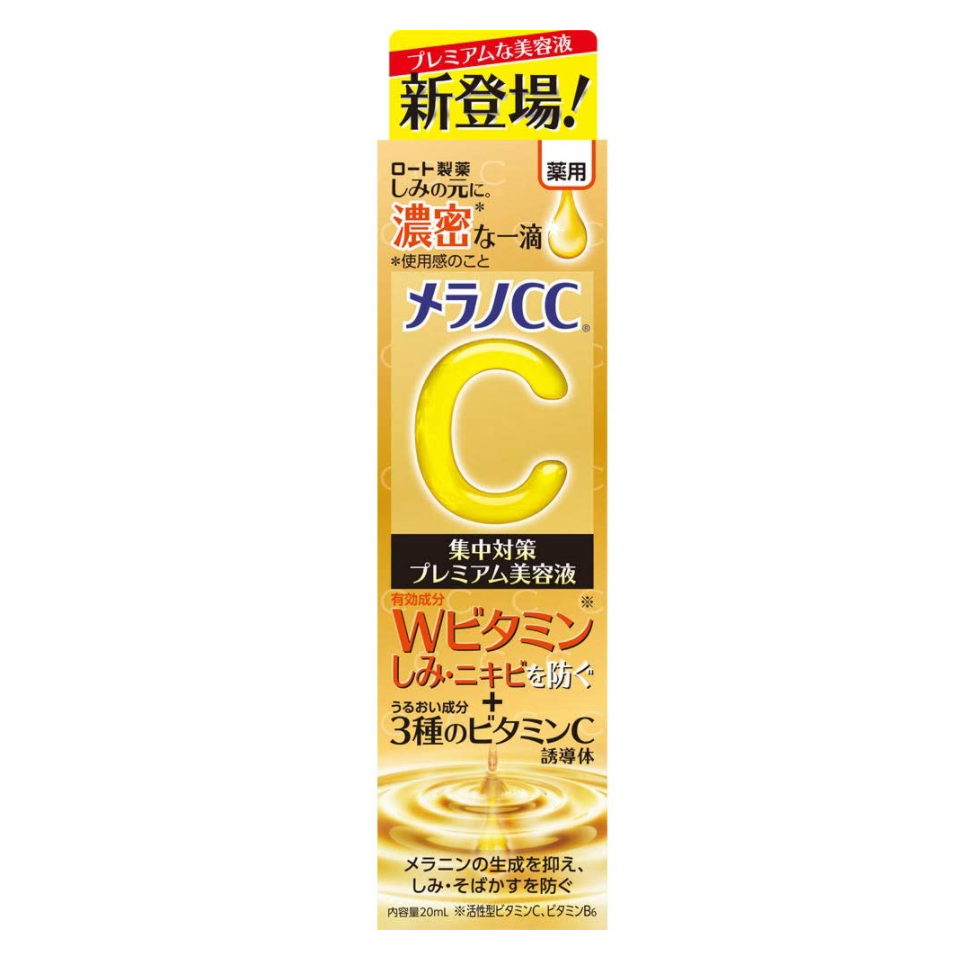
Rohto Melano CC Vitamin C Premium Essence
Rohto
3 retailersSee retailers →
The drugstore counterpart, and one of the best value items in Japanese skincare. Vitamin C plus vitamin E derivatives at a price that makes daily use painless. There is also an anti-spot cream and an intensive essence in the range.
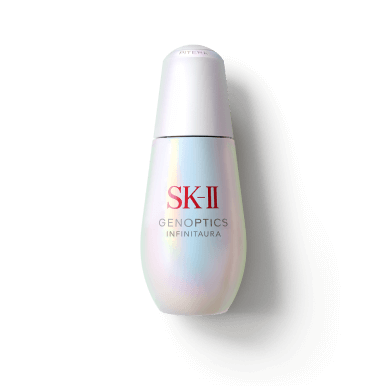
SK-II GenOptics Infinite Aura Essence
SK-II
6 retailersSee retailers →
The luxury end, rated 5.8/7 from over 7,000 reviews. SK-II’s brightening line targets tone unevenness rather than individual spots.
Our dark spots guide goes deeper on choosing between these, and what bihaku actually means explains the cultural context behind the whole category.
Repair: lines and texture
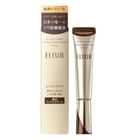
ELIXIR Retinol Power Wrinkle Smoothing Cream
ELIXIR
2 retailersSee retailers →
Rated 5.5/7 from nearly 5,000 reviews. One of the few retinol products approved in Japan as a quasi-drug specifically for wrinkles, which means clinical evidence was reviewed rather than assumed. Our retinol guide covers the rest of that category.
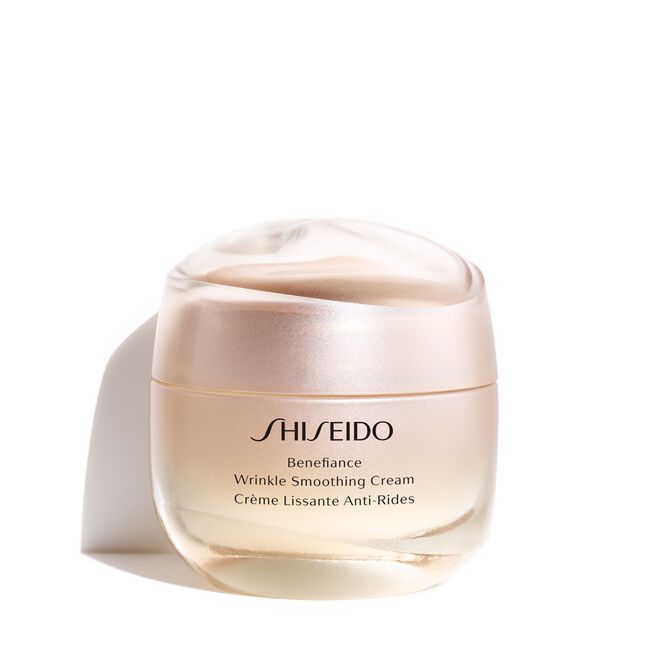
Shiseido Benefiance Wrinkle Smoothing Cream
Shiseido
12 retailersSee retailers →
Widely available outside Japan, which makes it an easy entry point. There is a matching eye cream for the area that usually shows damage first.
The honest summary
Sun protection is not a step in an anti-aging routine. It is the anti-aging routine, and everything else is cleanup work on damage that already happened.
If you are starting from nothing, the order that makes sense is: a daily sunscreen you genuinely like wearing, then a brightening active if you have pigmentation, then a retinoid if you have lines. Doing those three consistently beats an elaborate ten-step routine without sunscreen, and it is not close.
Every product here is tracked in our directory with live prices from retailers that ship internationally, so you can see the real delivered cost before buying.