Japanese beauty explained
DHC vs Kose Softymo Cleansing Oil: The Japanese Double Cleanse Showdown
Quick Takeaway
- Different oil bases, different skin feel. DHC uses olive oil as its primary ingredient. Kose Softymo Speedy uses mineral oil. This single difference drives most of the texture, finish, and skin type differences between them.
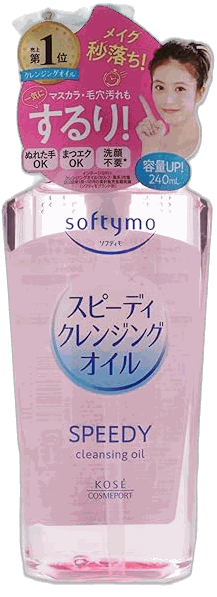
- Softymo Speedy emulsifies faster and rinses cleaner. If you want a quick first cleanse with zero residue, Softymo Speedy is the more efficient option.
- DHC leaves skin softer but can feel heavy. The olive oil base makes it more nourishing, which suits dry and normal skin but can feel like too much for oily or combo skin.
- Softymo costs a fraction of the price. At roughly $5 to $8 for 230ml versus $24 to $32 for 200ml of DHC, the price gap is significant.
- Both remove heavy makeup well. Waterproof sunscreen, mascara, full coverage foundation: neither product struggles with any of these.
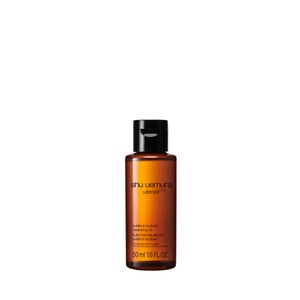
DHC and Kose Softymo are the two Japanese cleansing oils that come up in every recommendation thread, every beginner guide, and every “which one should I buy” post on r/AsianBeauty. They’re both widely available outside Japan, they’re both affordable compared to luxury options like Shu Uemura Ultime8∞ Sublime Beauty Cleansing Oil, and they’ve both been around long enough to have loyal followings.
But they work differently, feel different on the skin, and suit different people. This comparison breaks down exactly where they overlap and where they don’t, so you can pick the right one without buying both first.
Ingredient Philosophy: Olive Oil vs Mineral Oil
The biggest difference between these two cleansing oils is the base.
DHC Deep Cleansing Oil is built on olive oil (Olea Europaea Fruit Oil is the first ingredient). The full ingredient list is remarkably short: just eight ingredients total, including vitamin E (tocopherol), a soothing agent (stearyl glycyrrhetinate), and rosemary leaf oil. It’s one of the simplest formulations you’ll find in a cleansing oil.
Kose Softymo Speedy Cleansing Oil uses mineral oil (paraffinum liquidum) as its base, combined with a longer ingredient list that includes shea butter, safflower seed oil, sunflower seed oil, jojoba seed oil, sesame seed oil, olive oil, and corn germ oil. Despite the longer list, the formula is fragrance free and essential oil free, which is notable since DHC contains rosemary leaf oil.
What this means in practice:
Olive oil (DHC) is rich in oleic acid, which makes it deeply nourishing and emollient. It penetrates the skin more readily than mineral oil, which is why DHC tends to leave skin feeling softer and more moisturized after use. The downside: oleic acid can be comedogenic for some people, particularly those with oily or acne prone skin.
Mineral oil (Softymo) sits on top of the skin rather than absorbing into it. It dissolves makeup and sunscreen effectively through a different mechanism: it loosens product from the surface without interacting with the skin’s own lipid barrier. That’s why Softymo Speedy rinses so cleanly. The tradeoff: it doesn’t provide the same nourishing feeling that DHC does.
Neither approach is inherently better. It depends on what you want from your first cleanse.

DHC
12 retailersSee retailers →

Kose
11 retailersSee retailers →
Makeup Removal Power
Both cleansing oils handle everyday makeup without issue. Foundation, concealer, blush, powder: neither one struggles. The real test is heavier, waterproof products.
Waterproof mascara: Both dissolve it, but DHC’s thicker consistency means you can work it into lashes more precisely. Softymo Speedy’s thinner texture requires a bit more product to get the same coverage on lashes.
Waterproof sunscreen: This is where most people care about cleansing oil performance, and both products handle PA++++ Japanese sunscreens well. Softymo Speedy has a slight edge for speed: its thinner texture spreads faster across the face and starts breaking down sunscreen almost immediately.
Heavy, full coverage makeup: DHC’s olive oil base is slightly better at dissolving thick layers of foundation and long wear products. The thicker consistency means it stays where you put it instead of running down your face.
The differences are small. For most people, both products will remove everything they need removed.
Emulsification and Rinse
This is where the practical day to day difference shows up.
Softymo Speedy lives up to its name. Add water and it emulsifies almost instantly, turning white and rinsing off in a few splashes. There’s minimal residue, which means your second cleanser has less work to do. It also works on wet hands, which is convenient if you’re doing your cleanse in the shower.
DHC takes longer to emulsify. The olive oil base needs more water and more massaging to turn milky. It also requires more rinsing to feel fully removed. Some people report needing a particularly thorough second cleanse after DHC because of the residual oil feel.
If speed matters to you (morning routines, gym cleanses, nights when you’re exhausted), Softymo Speedy has a clear advantage here.
Skin Feel After Cleansing
After DHC, your skin feels soft and slightly moisturized. The olive oil leaves a thin, nourishing layer that many dry skin types appreciate. It doesn’t feel stripped at all, which makes it a good choice if your skin tends to feel tight after cleansing.
After Softymo Speedy, your skin feels clean and neutral. Not stripped, but not moisturized either. It’s a true blank canvas for whatever comes next in your routine. Oily and combo skin types tend to prefer this finish because there’s no lingering heaviness.
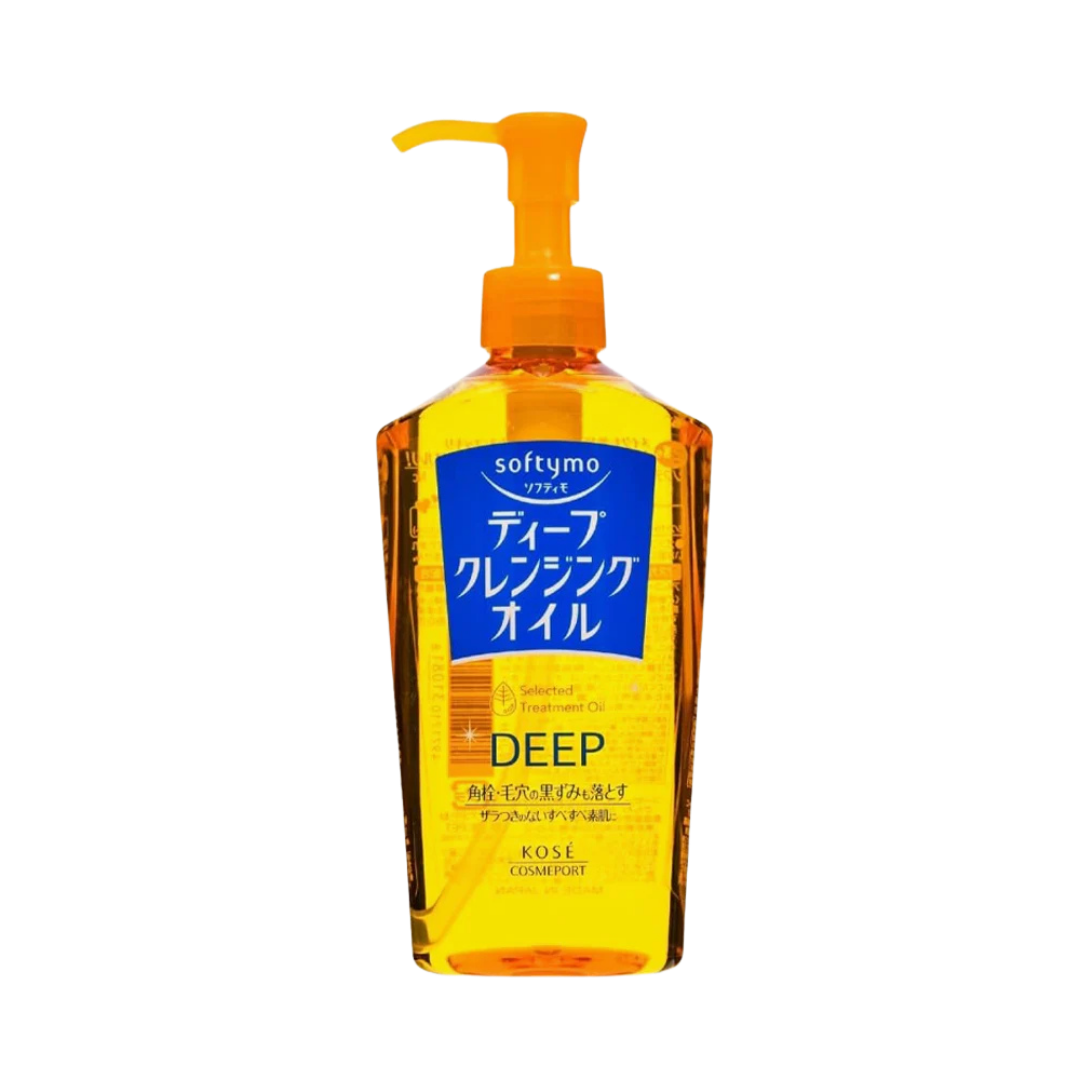
The Kose Softymo Deep Cleansing Oil sits somewhere between the two. It uses mineral oil like the Speedy but adds rice bran oil and has a thicker consistency. It leaves slightly more moisture than the Speedy but still rinses cleaner than DHC. (For a detailed comparison of the Speedy and Deep, see Kose Softymo Speedy vs Deep.)
Kose
7 retailersSee retailers →
Price Per ML
This is where the comparison gets lopsided.
DHC Deep Cleansing Oil:
- 200ml (6.7 fl oz): approximately $24 to $32 depending on the retailer
- That works out to roughly $0.12 to $0.16 per ml
Kose Softymo Speedy Cleansing Oil:
- 230ml (7.8 fl oz): approximately $5 to $14 depending on whether you’re buying from a Japanese import shop or a domestic retailer
- That works out to roughly $0.02 to $0.06 per ml
At the low end, Softymo Speedy is about six times cheaper per ml than DHC. Even at the high end, it’s still significantly less expensive. Refill pouches for Softymo bring the price down even further.
DHC does offer a smaller 70ml size for around $13 to $16, which is a good way to test it without committing to the full bottle. Kose doesn’t need a trial size because the full bottle already costs less than DHC’s sample.
Sensitive Skin Compatibility
Neither product is explicitly marketed as a sensitive skin formula, but there are some differences worth noting.
Softymo Speedy is fragrance free and essential oil free. The mineral oil base scores 0 for irritancy and 0 to 2 for comedogenicity on INCIDecoder, which is about as low as it gets for a cleansing oil base. For reactive or sensitive skin, this is generally the safer pick.
DHC contains rosemary leaf oil, which includes camphor (typically 10 to 20% of rosemary oil’s composition, depending on the chemotype) and can irritate sensitive skin. Olive oil’s higher oleic acid content can also trigger breakouts in acne prone skin. If your skin reacts to plant oils or essential oils, DHC is the riskier choice.
That said, plenty of people with sensitive skin use DHC without any issues. The concentration of rosemary leaf oil is low (it’s the last ingredient on the list). But if you’re patch testing between the two, start with Softymo Speedy.
For a cleansing oil designed specifically for sensitive skin, MUJI Sensitive Skin Cleansing Oil is worth considering.
Muji
1 retailerSee retailers →
Who Each One Is For
Choose DHC Deep Cleansing Oil if:
- Your skin runs dry or normal and you want a first cleanse that also nourishes
- You wear heavy, long wear makeup regularly
- You don’t mind a slightly longer rinse time
- You prefer a simpler ingredient list (8 ingredients)
- You want something widely available at physical retailers like Ulta, Target, and Costco
Choose Kose Softymo Speedy Cleansing Oil if:
- Your skin is oily, combo, or acne prone
- You want the fastest possible first cleanse with a clean rinse
- Budget matters and you go through cleansing oil quickly
- You have sensitive or reactive skin (fragrance free, essential oil free)
- You double cleanse daily and want something efficient rather than luxurious
Softymo Speedy vs Deep: A Quick Note
Since both Kose Softymo variants come up in this conversation, here’s the short version. The Speedy is the everyday workhorse: thinner, faster, fragrance free. The Deep is for heavier makeup days: thicker, more moisturizing, but contains orange peel oil which can irritate sensitive skin. Most people picking between DHC and Softymo should start with the Speedy. For the full breakdown, see Kose Softymo Speedy vs Deep Cleansing Oil.
What About FANCL and Attenir?
If neither DHC nor Softymo feels like the right fit, two other Japanese cleansing oils are worth a look.
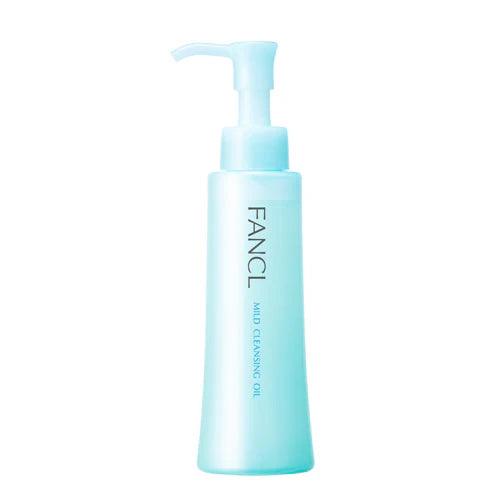
FANCL Mild Cleansing Oil is preservative free and designed around a “no additives” philosophy. It uses a different emulsifier system that emulsifies quickly like Softymo but feels gentler on the skin than DHC. It’s priced between the two (roughly $18 to $25 for 120ml) and is a popular choice for people who want something mild without the heaviness of olive oil or the simplicity of straight mineral oil.
Attenir Skin Clear Cleanse Oil Aroma Type focuses on removing oxidized sebum (what Attenir calls “skin staining”), not just surface makeup. It sits at a similar price point to FANCL and has a light citrus aroma. It’s been a @cosme award winner and is one of the more popular mid range cleansing oils in Japan.
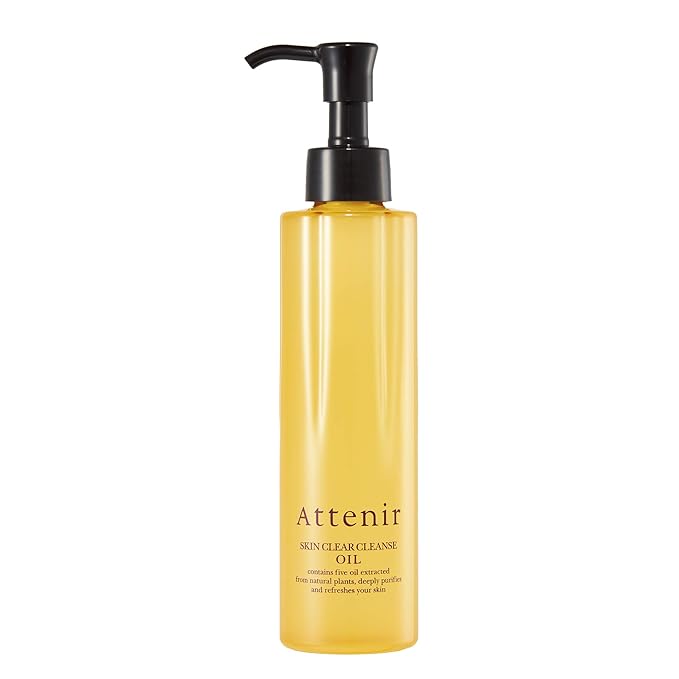
For a broader look at how all the major Japanese cleansing oils stack up, see Best Japanese Cleansing Oil: The Double Cleansing Guide and DHC vs Shu Uemura vs Attenir vs FANCL.
Where to Buy
Both products are widely available outside Japan, which is part of why they dominate the cleansing oil conversation.
DHC Deep Cleansing Oil can be found at major retailers like Target, Ulta, Costco, Amazon, and through DHC’s own website. It’s one of the most accessible Japanese skincare products outside Japan.
Kose Softymo Speedy Cleansing Oil is available through Amazon, YesStyle, and various Japanese beauty specialty shops. It’s less likely to show up at physical stores compared to DHC, but it’s easy to find online. Check Kose’s directory page for a full list.
Both are also readily available at Japanese drugstores if you’re visiting Japan, where they’re even cheaper.
How to Use Either One (Double Cleansing Basics)
If you’re new to oil cleansing, the process is the same for both products:
- Apply to dry skin and dry hands. Most cleansing oils (including DHC) don’t work as well on wet skin. Softymo Speedy is an exception and works on both wet and dry skin.
- Massage gently for 30 to 60 seconds. Let the oil dissolve makeup and sunscreen.
- Add water to emulsify. The oil should turn milky white. Keep massaging for another 15 to 30 seconds.
- Rinse thoroughly with lukewarm water.
- Follow with a water based second cleanser to remove any remaining residue.
For a full guide on technique, product pairings, and common mistakes, see How to Double Cleanse with Japanese Products.
FAQ
Can I use DHC or Softymo as my only cleanser?
You can, but it’s not ideal. Oil cleansers are designed as the first step in a double cleanse. Without a second water based cleanser, you may leave residual oil and dissolved impurities on your skin. If you want a single step cleanse, look for a cleansing balm or micellar water instead.
Does DHC cleansing oil cause breakouts?
It can for some people. The olive oil base is rich in oleic acid, which has a moderate comedogenicity rating (0 to 2 on INCIDecoder). If you’re acne prone or sensitive to plant oils, patch test first. Many people use it without issues, but it’s a known trigger for others.
Is Kose Softymo Speedy good for removing Japanese sunscreen?
Yes. This is one of its strongest use cases. Japanese PA++++ sunscreens are formulated to resist water and sweat, and Softymo Speedy’s mineral oil base breaks them down efficiently. It’s one of the most recommended first cleansers for daily sunscreen removal in the r/AsianBeauty community.
Can I mix DHC with my second cleanser?
No. Use them separately. The oil cleanse step breaks down oil based impurities, and the second cleanser handles everything else. Mixing them defeats the purpose of both steps.
Which Kose Softymo should I choose: Speedy or Deep?
For most people, start with the Speedy. It’s fragrance free, works on wet or dry skin, and rinses faster. The Deep is better for heavy makeup days and for skin that leans dry, but it contains orange peel oil which can irritate sensitive skin. See Kose Softymo Speedy vs Deep for the full comparison.