Japanese beauty explained
DHC Deep Cleansing Oil Review: Is Japan's Bestselling Cleanser Worth the Hype?
The DHC Deep Cleansing Oil has been Japan’s bestselling cleansing oil for over three decades. It went viral on TikTok again in early 2026, racking up millions of views from creators showing it dissolve a full face of makeup in seconds. It has thousands of reviews on Ulta alone. It’s one of the most widely available Japanese skincare products outside Japan.
But popularity doesn’t always mean it’s the right pick for everyone. The ingredient list is unusually short, the olive oil base divides opinion, and newer Japanese cleansing oils have entered the market with more sophisticated formulations. Here’s what you need to know before buying. (For a broader look at the category, see our best Japanese cleansing oil roundup.)

DHC
12 retailersSee retailers →
What Makes DHC Deep Cleansing Oil Different
Most Japanese cleansing oils use mineral oil or lightweight synthetic esters as their base. DHC goes a completely different direction: the first ingredient is organic olive fruit oil.
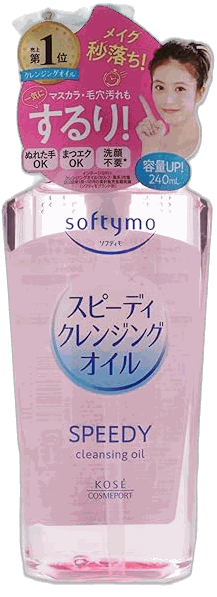
This matters because olive oil is rich in oleic acid (55 to 83% of the fatty acid profile), which is an effective emollient but also more occlusive than lighter oil bases. That’s why some people describe DHC’s texture as “thick” or “rich” compared to options like Kose Softymo Speedy Cleansing Oil or Attenir Skin Clear Cleanse Oil Aroma Type.
The trade off is cleansing power. Olive oil excels at the “like dissolves like” principle, breaking down sebum, waterproof mascara, and heavy sunscreen with minimal effort. TikTok demos aren’t exaggerating. This oil does melt everything off your face.
DHC also positions this as a skincare treatment, not just a cleanser. The olive oil base comes from DHC’s own olive orchards in Spain, and the brand has built much of its identity around olive derived skincare. For the full story on DHC’s approach, see our DHC brand guide.
Full Ingredient Breakdown
One of the most striking things about the DHC Deep Cleansing Oil is how short the ingredient list is. Only eight ingredients:
Olive Fruit Oil is the star. It provides the cleansing action and the emollient benefits. It scores 0 for irritancy on INCIDecoder, with a comedogenicity range of 0 to 2. The oleic acid content makes it excellent for dissolving oil based impurities, but it can be too rich for oily or acne prone skin.
Caprylic/Capric Triglyceride is a coconut derived emollient that adds a lighter, smoother feel to the formula. It’s one of the most universally tolerated cosmetic ingredients.
Sorbeth 30 Tetraoleate is the self emulsifying surfactant that lets the oil interact with water. This is what creates the milky texture when you add water, allowing the oil to rinse off cleanly.
Pentylene Glycol works as a solvent and mild humectant, helping the formula spread evenly and boosting the preservative system.
Phenoxyethanol is the preservative. Standard, well tolerated, used in cosmetics since the 1950s.
Tocopherol (vitamin E) provides antioxidant protection, helping prevent the olive oil from oxidizing.
Stearyl Glycyrrhetinate is a licorice derived soothing agent. It helps calm the skin during cleansing, which is especially useful if you massage the oil in for longer than a quick rinse.
Rosemary Leaf Oil is the last ingredient, contributing antioxidant and antimicrobial properties. This is also where the faint herbal scent comes from. Some people describe it as a pleasant olive and herb smell; others find it reminds them of cooking oil or, in rare cases, glue (which may indicate an expired or counterfeit product).
The formula is alcohol free, fragrance free (beyond the natural rosemary oil), and free of mineral oil.
How to Use It (Double Cleansing)
DHC Deep Cleansing Oil is designed as the first step in a double cleanse. Here’s how to get the best results:
Step 1: Apply to dry skin. This is the most important rule for any oil cleanser. Pump two to three pumps into dry hands and apply to a dry face. Water will prevent the oil from properly dissolving makeup and sunscreen.
Step 2: Massage for 30 to 60 seconds. Gently work the oil across your entire face, including the eye area. You’ll feel makeup and sunscreen start to break down almost immediately. Don’t rush this step; the massage helps lift sebum and buildup from pores.
Step 3: Emulsify with water. Wet your hands and gently massage again. The oil will turn milky white as the emulsifier activates. This is the step where the oil transitions from a greasy texture to something that can be rinsed away.
Step 4: Rinse thoroughly. Use lukewarm water. If your skin still feels oily after rinsing, you may need an extra round of emulsification. Some users find that DHC’s olive oil base takes slightly more rinsing than mineral oil based cleansers.
Step 5: Follow with a water based cleanser. A gentle foaming or gel cleanser removes any remaining residue and water soluble impurities. This completes the double cleanse. For more on whether double cleansing is necessary for your skin type, see our double cleansing guide.
Tip for sebaceous filaments: Some users report that massaging DHC oil into dry skin for two to three minutes, focusing on the nose and chin, helps loosen sebaceous filaments. This is the “gritting” technique popular on Reddit. The oil softens the plugs, which can then be gently massaged out. Results vary, and overdoing it can irritate the skin.
Who It Works For
Great for dry to normal skin. The rich olive oil base leaves skin feeling soft and hydrated after cleansing, without that stripped feeling. If your skin leans dry, especially in colder months, this is one of the most nourishing cleansing oils available.
Great for heavy makeup wearers. Waterproof mascara, long wear foundation, heavy sunscreen: the DHC handles all of it with minimal effort. This is where it genuinely outperforms lighter cleansing oils.
Great for anyone who wants a simple formula. Eight ingredients means fewer chances of sensitivity reactions. If you react to complex formulations with lots of botanical extracts, DHC’s minimalism is a genuine advantage.
Who Should Skip It
Oily or acne prone skin. This is the most consistent criticism across Reddit and review sites. The olive oil base is rich in oleic acid, which can be comedogenic for some skin types. Multiple users on r/SkincareAddiction and r/AsianBeauty report breakouts after introducing DHC into their routine. If you’re prone to clogged pores, lighter options like Kose Softymo Speedy Cleansing Oil or FANCL Mild Cleansing Oil are safer choices.
Sensitive or rosacea prone skin. While the formula is simple, the rosemary leaf oil at the end of the ingredient list can be irritating for reactive skin. The licorice derivative helps, but if your skin is particularly sensitive, a fragrance free option like MUJI Sensitive Skin Cleansing Oil or FANCL Mild Cleansing Oil may be a better fit.
Anyone who dislikes a heavy texture. If you’re used to lightweight, mineral oil based cleansing oils that rinse away effortlessly, DHC may feel too thick and take too long to emulsify. This is a preference thing, not a quality issue, but it matters.
DHC vs Softymo vs Attenir: How It Compares
The two products that come up most often in comparison threads are Kose Softymo Speedy Cleansing Oil and Attenir Skin Clear Cleanse Oil Aroma Type. Here’s how they stack up. For a broader comparison including Shu Uemura Ultime8∞ Sublime Beauty Cleansing Oil and FANCL Mild Cleansing Oil, see our full cleansing oil comparison.
DHC vs Softymo Speedy
The Kose Softymo Speedy Cleansing Oil is the budget champion. It uses a mineral oil base, emulsifies faster, rinses cleaner, and costs a fraction of DHC’s price. In Japan, skincare community members consistently recommend Softymo as the practical everyday option: effective, no frills, widely available in multiple limited edition versions.
DHC’s advantage is raw cleansing power on heavy makeup and the skincare benefits of its olive oil base. Softymo is the better daily workhorse. DHC is the heavy duty option for stubborn, full coverage makeup days. For the full head to head, see DHC vs Kose Softymo Cleansing Oil.
DHC vs Attenir Skin Clear Cleanse Oil
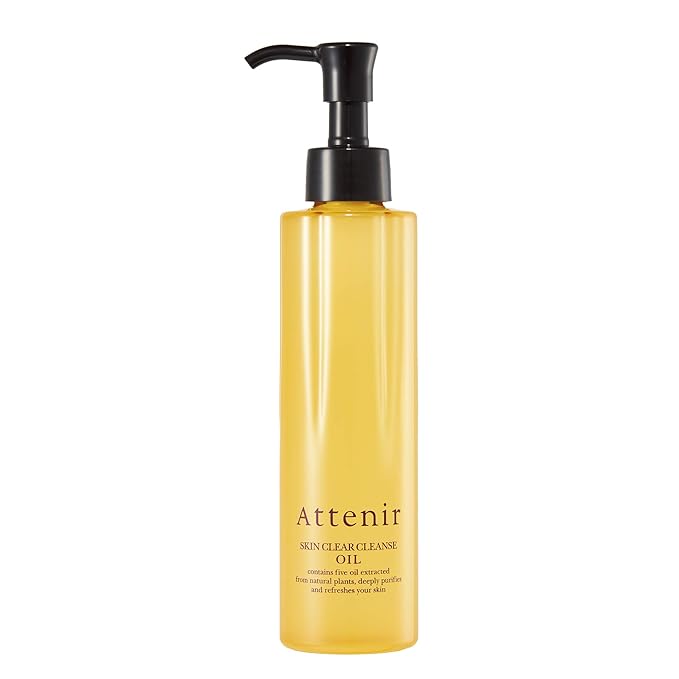
The Attenir Skin Clear Cleanse Oil Aroma Type is a different kind of product. Where DHC focuses on simplicity and dissolving power, Attenir targets skin brightness with botanical actives like rock rose and immortelle extract. The texture is lighter and silkier than DHC, and it rinses noticeably faster.
Attenir won the @cosme Best Cosmetics Awards 2025 Grand Prize in the cleansing category. It sits in the mid range price bracket, roughly between Softymo and Shu Uemura. If you want your first cleanse to do more than just remove makeup, Attenir is the more modern formulation. For the full breakdown, see our Attenir review.
DHC vs Shu Uemura Ultime8
The Shu Uemura Ultime8∞ Sublime Beauty Cleansing Oil is the luxury benchmark. It uses a blend of eight botanical oils, has a rich but refined texture, and rinses beautifully. Reddit users who have tried everything consistently rank the Shu Uemura at the top. The downside is the price, which is roughly three to four times higher than DHC. See our Shu Uemura cleansing oil review for details.

Other Alternatives Worth Knowing
Beyond the big three Japanese comparisons, a few other cleansing oils come up frequently in community discussions:
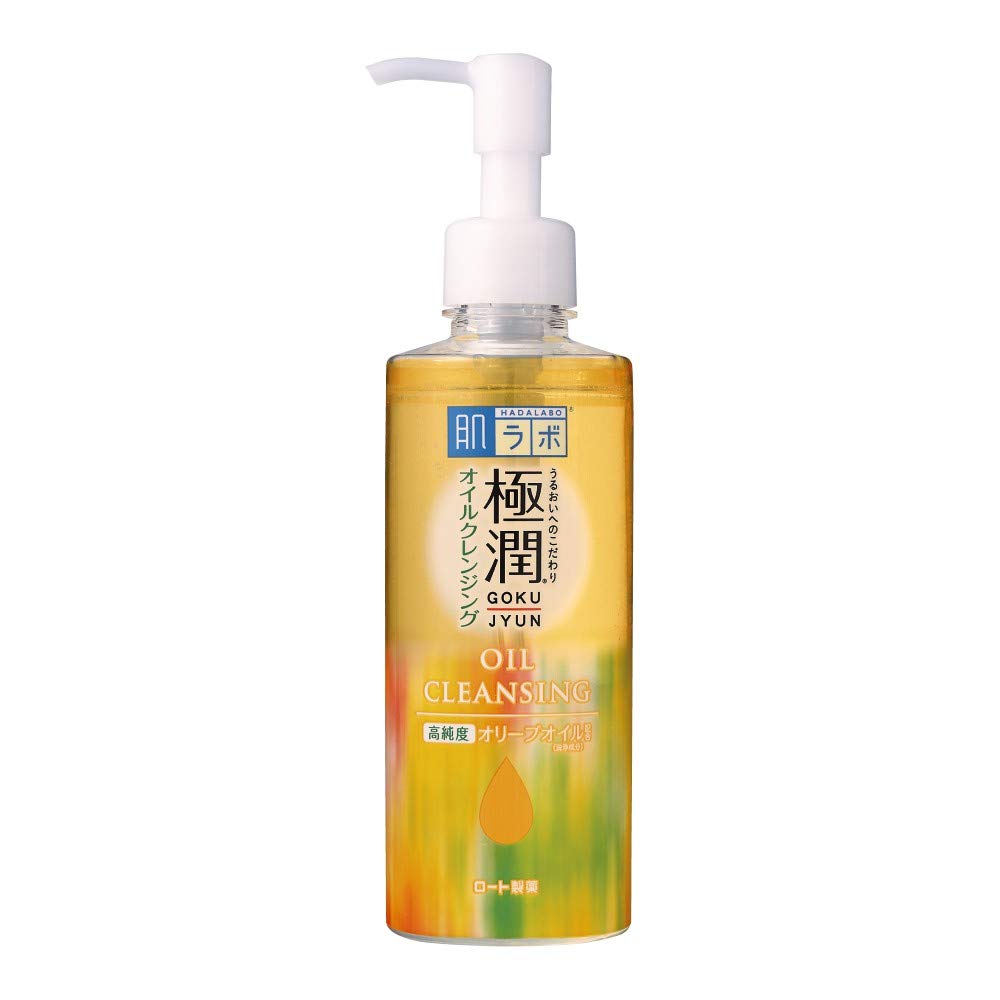
Hada Labo Gokujyun Cleansing Oil is another budget friendly Japanese option with a lighter feel than DHC. Good for daily use on normal skin.
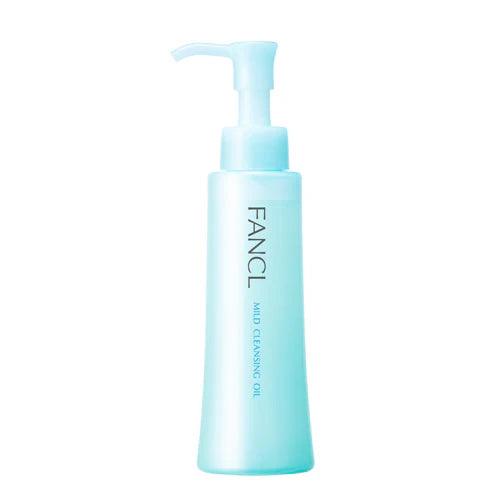
FANCL Mild Cleansing Oil is designed specifically for sensitive skin with a gentle, additive free formula. FANCL and Attenir are under the same parent company.
The iUNIK Calendula Cleansing Oil (a Korean product) comes up often in r/AsianBeauty threads as an alternative to DHC, particularly from users who found DHC too heavy. It emulsifies faster and has a lighter texture.
Clayge Pore Clay Oil Black is a newer Japanese option getting attention for its fragrance (a Japanese floral scent) and its inclusion of actives like retinol, cica, and ceramides. It’s part of a trend toward cleansing oils that do more than just cleanse.
Where to Buy
DHC Deep Cleansing Oil is one of the most accessible Japanese skincare products in the US. It’s carried by major retailers including Ulta, Target, Amazon, and DHC’s own US site. You can also find it at Costco in larger twin pack sizes, which is the best value if you know you like it.
The product comes in multiple sizes: a 1 oz travel size, a standard 6.7 oz (200ml) bottle, and larger sizes and value packs.
A note on fakes: DHC’s popularity on platforms like Amazon and Shopee means counterfeit products exist. If your bottle smells like glue rather than olive oil, the texture is unusually thin, or it doesn’t emulsify properly, you may have a fake. Buying from authorized retailers like Target, DHC USA, and Costco significantly reduces this risk.
FAQ
Is DHC Deep Cleansing Oil good for oily skin?
It can work, but it’s not ideal. The olive oil base is rich in oleic acid, which can be comedogenic for oily and acne prone skin types. If your skin is oily, lighter cleansing oils like Kose Softymo Speedy Cleansing Oil or FANCL Mild Cleansing Oil are generally better choices. Some oily skin users do fine with DHC, but start with the travel size to test before committing to a full bottle.
Can I use DHC Deep Cleansing Oil on wet skin?
No. Oil cleansers need to be applied to dry skin to work properly. Water creates a barrier between the oil and your makeup/sunscreen, preventing the “like dissolves like” mechanism from working. Always apply to a dry face with dry hands.
Is DHC Deep Cleansing Oil the same in the US and Japan?
The core formula is the same. DHC manufactures and ships from Japan for all markets. The US version sold through DHC USA, Ulta, and Target is the same product you’d find in Japanese stores, just with English language labeling.
How long does a bottle of DHC Deep Cleansing Oil last?
Using two to three pumps per evening cleanse, the standard 6.7 oz (200ml) bottle typically lasts two to three months. The larger twin packs from Costco can last up to six months.
Why does my DHC Deep Cleansing Oil smell weird?
Authentic DHC Deep Cleansing Oil has a mild, olive oil and herb scent from the rosemary leaf oil. If it smells like glue, chemicals, or rancid oil, it may be expired or counterfeit. Check the expiration date and confirm you purchased from an authorized retailer.