AHA
Also known as: Alpha hydroxy acid, glycolic acid, lactic acid
What It Does
Water soluble acids that dissolve the bonds between dead skin cells, revealing smoother, brighter skin underneath.
Alpha hydroxy acids (AHAs) are water-soluble chemical exfoliants derived from fruits, milk, and sugarcane. The most common AHAs in skincare are glycolic acid (from sugarcane), lactic acid (from milk), and mandelic acid (from almonds). They work by weakening the bonds between dead skin cells, allowing them to shed more easily and revealing fresher skin underneath.
AHAs improve skin texture, reduce the appearance of fine lines, fade hyperpigmentation, and increase product penetration. Glycolic acid has the smallest molecular size and penetrates deepest, making it most effective but also most potentially irritating. Lactic acid is gentler and also hydrating. Mandelic acid is the gentlest option with larger molecules that work more slowly.
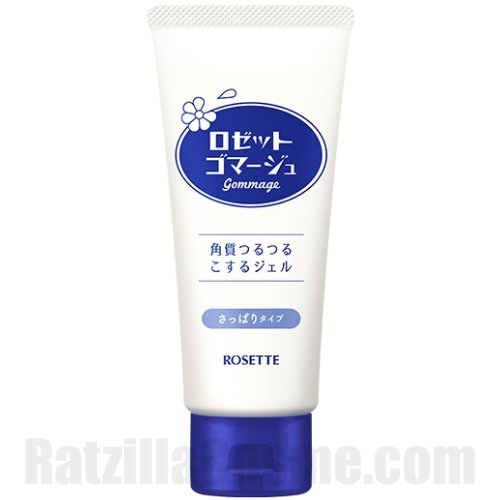
Japanese skincare tends to favor gentler exfoliation compared to Western products. Japanese AHA products often use lower concentrations (5 to 10%) and focus on gradual improvement rather than dramatic peeling. Brands like Cure and Rosette offer popular AHA products designed for sensitive Asian skin.
Weakens bonds between dead skin cells (desmosomes), facilitating exfoliation. Stimulates collagen production and increases cell turnover.
The Japanese Context
Japanese formulations favor gentler concentrations (5 to 10%) compared to Western products. Focus on gradual, daily exfoliation rather than aggressive peeling.
Best For
How It's Used
Typical concentration: 5 to 10% in Japanese products, up to 30% in peels
Ingredient Interactions
Side Effects and Cautions
Can cause irritation, redness, sun sensitivity. Start slowly and always use sunscreen. Not suitable for very sensitive or compromised skin.