What It Does
A carotenoid antioxidant up to 6000 times more powerful than vitamin C. Fights free radicals and supports skin elasticity.
Astaxanthin is a carotenoid antioxidant derived from microalgae, salmon, and krill. It has a distinctive red-orange color and is one of the most powerful antioxidants found in nature, with antioxidant activity significantly stronger than vitamin C or vitamin E. Japanese researchers have extensively studied astaxanthin for both internal and topical use.
Topically, astaxanthin protects against UV-induced oxidative stress, reduces inflammation, and improves skin elasticity. It penetrates all layers of the skin and can cross the blood-brain barrier, making it effective both as a supplement and topical ingredient. Its unique molecular structure allows it to span cell membranes, providing comprehensive antioxidant protection.
ASTALIFT by FUJIFILM is the most famous astaxanthin-based skincare line in Japan. FUJIFILM leveraged its expertise in photographic film (which requires antioxidant stabilization) to develop nano-emulsion technology for astaxanthin delivery. Other Japanese brands like DHC also feature astaxanthin in anti-aging formulations.
Neutralizes singlet oxygen and free radicals more effectively than most antioxidants. Spans cell membranes for comprehensive protection. Reduces UV-induced collagen breakdown and inflammation.
The Japanese Context
FUJIFILM developed nano-emulsion technology for astaxanthin delivery, creating the ASTALIFT line. Japanese brands pioneered topical astaxanthin use.
Best For
How It's Used
Typical concentration: 0.001 to 0.01%, requires special delivery technology
Ingredient Interactions
Side Effects and Cautions
Generally well tolerated. May cause temporary orange tint on skin at high concentrations.
Products With Astaxanthin

ASTALIFT
Astalift Cleansing Oil
Where to buy →ASTALIFT
ASTALIFT D-UV Shield Tone Up SPF50+/PA++++
Where to buy →ASTALIFT
ASTALIFT Jelly Aquarysta
Where to buy →
Kose
KOSE CoenRich Whitening Medicated Hand Cream
Where to buy →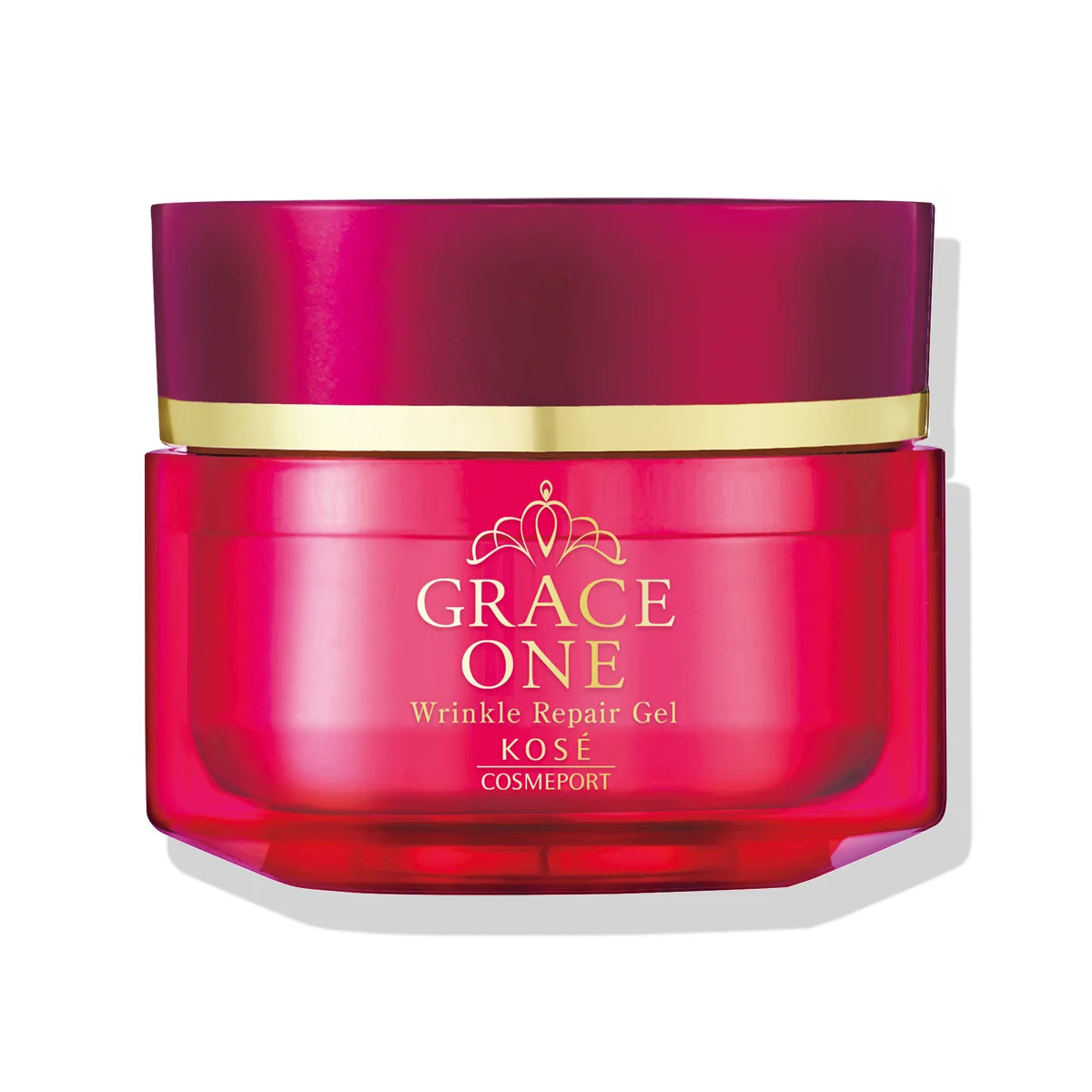
Grace One
KOSE Grace One Perfect Gel Cream EX
Where to buy →Kose