What It Does
Short chains of amino acids that signal skin to produce more collagen and elastin. A gentler alternative to retinol for firming.
Peptides are short chains of amino acids that serve as building blocks for proteins like collagen, elastin, and keratin. When applied topically, certain peptides can signal skin cells to perform specific functions like producing more collagen, reducing inflammation, or relaxing facial muscles (similar to how Botox works).
There are many types of peptides used in skincare: signal peptides that trigger collagen production, carrier peptides that deliver trace elements, enzyme-inhibiting peptides that slow collagen breakdown, and neurotransmitter-inhibiting peptides that reduce expression lines. The efficacy depends on the specific peptide, its concentration, and whether it can penetrate the skin barrier.
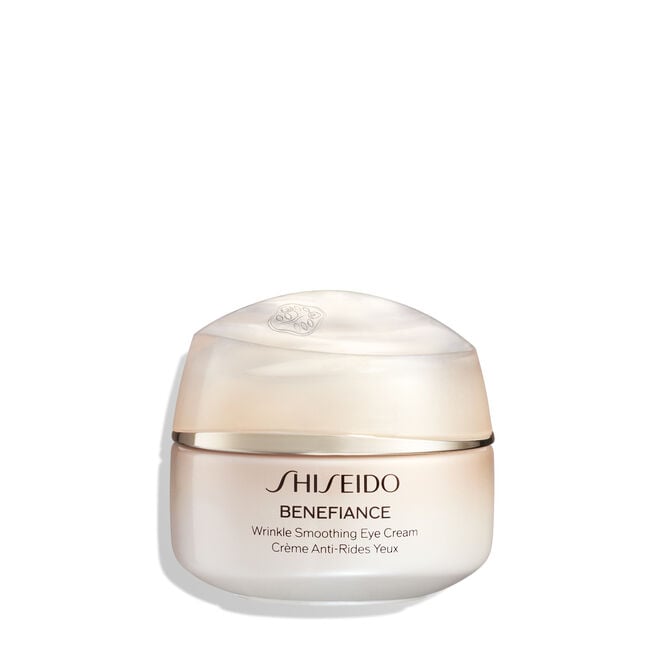
Japanese brands like Shiseido, Kanebo, and SK-II incorporate peptides in their premium anti-aging lines. Common peptides include matrixyl (palmitoyl pentapeptide), copper peptides, and argireline. Japanese formulations often combine peptides with other actives like retinol or niacinamide for synergistic effects.
Signal peptides stimulate collagen and elastin production. Enzyme-inhibiting peptides slow breakdown of structural proteins. Neurotransmitter peptides relax muscle contractions that cause expression lines.
The Japanese Context
Widely used in premium Japanese anti-aging products. Often combined with other actives in sophisticated formulations.
Best For
How It's Used
Typical concentration: Varies by peptide type, typically 2 to 10%
Ingredient Interactions
Side Effects and Cautions
Generally very well tolerated. Rare irritation possible.