&honey Deep Moist vs Melty vs Creamy vs Pixie
Which should you choose?
Start with Deep Moist for dry, hard to manage hair, Melty for frizz and unruly waves, Creamy for damaged lengths and a rich finish, or Pixie for dry, fine hair that tangles easily. These are the ranges’ published aims. Choose the finish you want rather than assuming the richest formula is best.
As an Amazon Associate we earn from qualifying purchases.
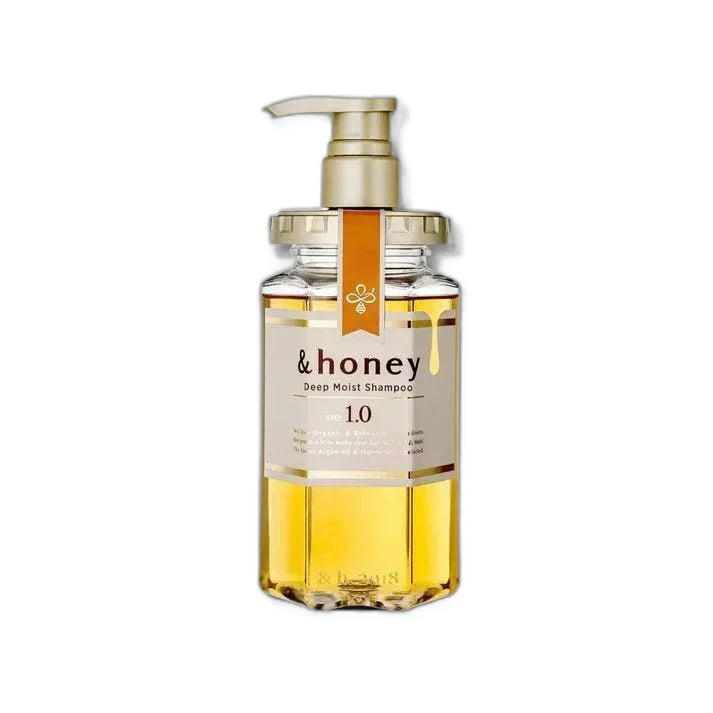
For everyday moisture
&honey Deep Moist Shampoo 1.0
Deep Moist is the straightforward starting point if dryness is your main concern. Honey, royal jelly and argan oil feature in the range’s moisture focused approach. Pair it with a conditioner that gives your ends enough softness.
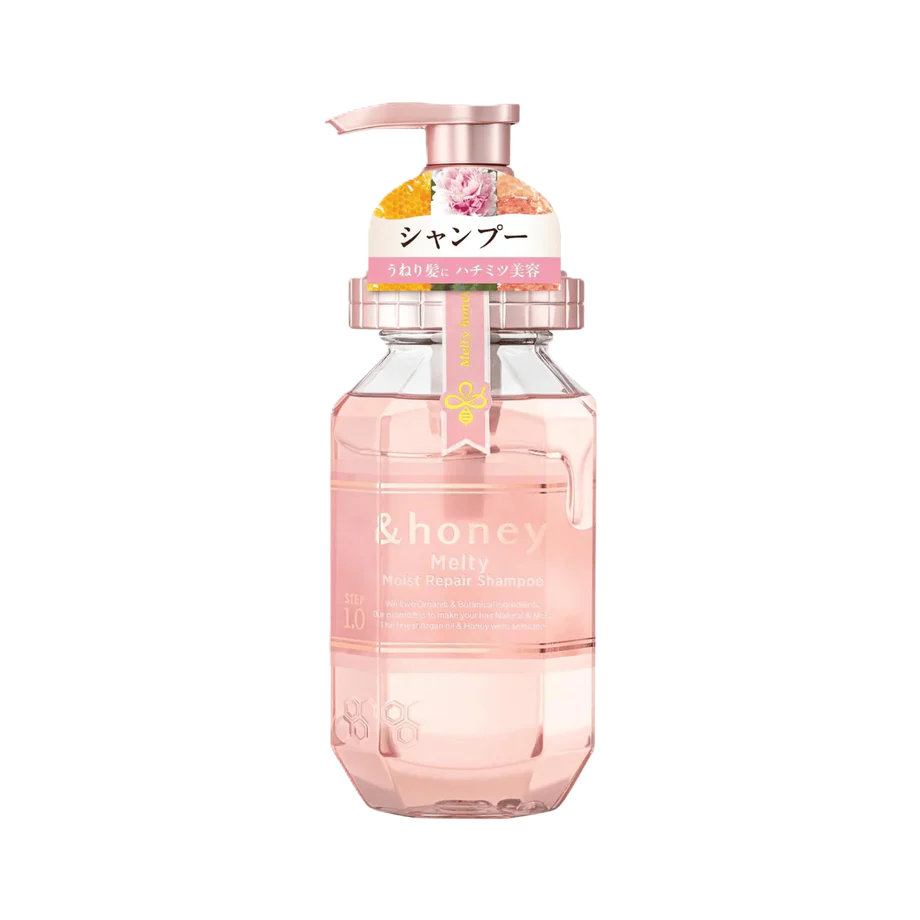
For frizz and unruly waves
&honey Melty Moist Repair Shampoo 1.0
Melty puts more emphasis on helping wavy, frizzy hair feel manageable. Choose it over Deep Moist when smoothing is the main goal. It is a scented wash and conditioning range, rather than a straightening treatment.
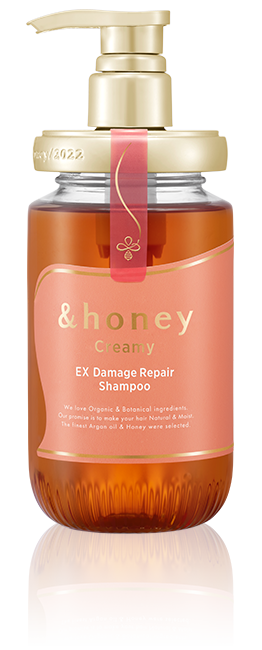
For damaged lengths and a rich finish
&honey Creamy EX Damage Repair Shampoo 1.0
Creamy EX Damage Repair is the richer option to consider when damage and rough ends are your main concerns. The brand pairs shea and honey in the shampoo and describes a very moisturized finish.
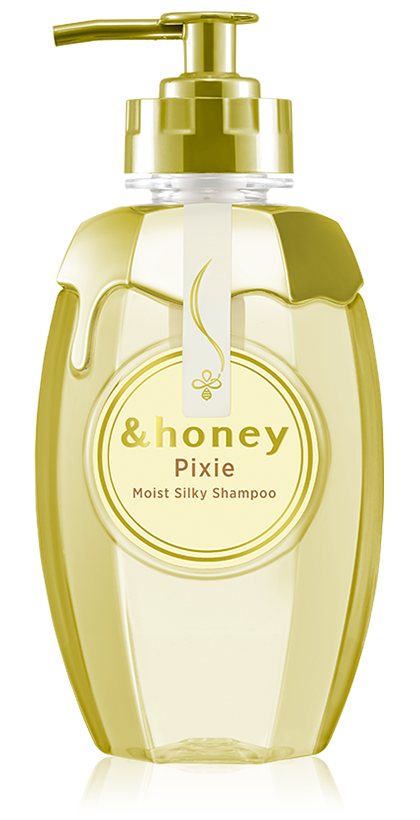
For dry, fine hair and tangles
&honey Pixie Moist Silky Shampoo 1.0
Pixie is the range to investigate if your hair is fine and you want easier combing. Its care routine includes hydrolyzed silk and cashmere keratin. It still focuses on moisture, so it isn’t a clarifying shampoo.
Compare the four ranges
| Range | Main reason to choose it | Shampoo scent |
|---|---|---|
| Deep Moist | Dryness and moisture | Peony honey |
| Melty Moist Repair | Frizz and unruly waves | Pure rose honey |
| Creamy EX Damage Repair | Damage care with a rich finish | Juicy berry honey |
| Pixie Moist Silky | Dry, fine hair and easier combing | Champagne floral honey |
All four are scented. If fragrance is a deal breaker, choosing a different bottle color won’t solve it.
Deep Moist or Melty?
Think about what bothers you after washing. If it’s dry lengths that need more softness, start with Deep Moist. If your hair is moisturized but still looks unruly, Melty’s smoothing focus is more relevant.
Melty doesn’t promise to permanently straighten your hair. You can choose it for manageability while keeping your natural waves.
Creamy or Pixie?
Creamy leans into a rich, very moisturized finish. That makes it a more relevant candidate when rough, damaged lengths are the priority.
Pixie’s range specifically includes care for dry, fine hair. Its treatment is positioned around softness and smoother combing. That doesn’t establish that every fine haired person will find it weightless. Start with the amount of conditioner your ends need.
What do 1.0, 1.5, 2.0 and 3.0 mean?
The numbers show the product’s place in the range:
- 1.0: shampoo, which you rinse out.
- 1.5: an optional hair pack used between shampoo and treatment, following its directions.
- 2.0: the rinse out treatment, which fills the conditioner step.
- 3.0: hair oil, which you leave in.
You don’t need all four. Shampoo and a rinse out conditioner are a sensible starting point. Add a pack or oil only if there’s something you still want from the result.
These are four named ranges, not the brand’s entire lineup. For other Japanese options, see our shampoo and conditioner guide.
Common questions
Which &honey range should I consider for fine hair?
Pixie is the range to investigate for dry, fine hair and easier combing. Use conditioner mainly on your lengths and ends if your roots flatten easily.
Is &honey treatment a conditioner?
Yes. The 2.0 treatment is the rinse out conditioning step after shampoo. You don’t need another conditioner between the two.
Do I need the matching &honey hair oil?
No. Start with your shampoo and conditioner. Add an oil only if you want another finishing step for your lengths and ends.
Sources
We compared published product information. This is a research guide, not a personal wear test. Sources checked October 5, 2026.