What It Does
Plant compounds from soybeans that mimic estrogen. Help maintain skin firmness, hydration, and elasticity as natural hormone levels decline.
Soy isoflavones are plant compounds from soybeans that have weak estrogen-like activity (phytoestrogens). They provide antioxidant protection, stimulate collagen production, inhibit melanin production, and improve skin thickness and elasticity. Soy has been a staple of Asian diets for millennia, and Japanese skincare harnesses its beauty benefits topically.
Soy isoflavones, particularly genistein, work by binding to estrogen receptors in skin cells, triggering beneficial cellular responses. They brighten skin by inhibiting PAR-2 (protease-activated receptor 2), which is involved in melanin transfer. They also protect against UV damage and support collagen synthesis for firmer skin.
Japanese brands like SK-II, Soy Milk (a brand name), and Natural Science use soy in brightening and anti-aging formulations. Soy milk-based products are popular in Japanese drugstores for their gentle, nourishing properties. The ingredient represents the Japanese tradition of deriving beauty benefits from food.
Isoflavones (especially genistein) bind to estrogen receptors, stimulating collagen production. Inhibit melanin transfer by blocking PAR-2. Provide antioxidant protection.
The Japanese Context
Traditional Japanese food ingredient applied to skincare. Soy milk-based products are drugstore staples. Represents food-to-beauty philosophy.
Best For
How It's Used
Typical concentration: 1 to 5% for isoflavone extracts
Ingredient Interactions
Side Effects and Cautions
Generally well tolerated. Topical use does not have the hormonal concerns of high-dose oral consumption.
Products With Soy Isoflavones
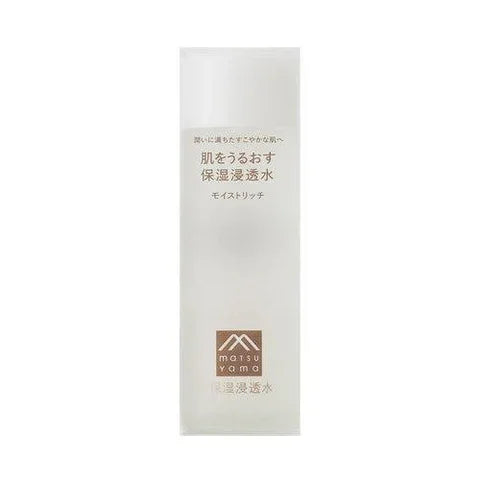
Matsuyama
Hadauru Moisturizing Infusion Moist Rich Lotion - 120ml
Where to buy →
Sana
Sana Soy Milk Moisture Toner Moist NC
Where to buy →
Sana
Sana Soy Milk Pure White Lotion
Where to buy →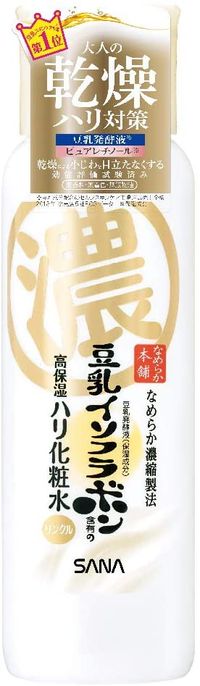
Sana
Sana Nameraka Honpo Extra Moist Lotion NC
Where to buy →SANA