What It Does
The nutrient rich sediment left after sake brewing. Packed with amino acids, enzymes, and organic acids that brighten and hydrate.
Sake lees, known as sake kasu in Japanese, is the solid residue left over from sake brewing. It is rich in amino acids, vitamins, enzymes, and naturally occurring kojic acid produced during fermentation. Sake lees has been used in Japanese beauty rituals for centuries, with geishas famously applying it as a facial treatment for brightening and softening skin.
Sake lees provides gentle exfoliation through natural enzymes, brightens through kojic acid, hydrates with amino acids, and delivers antioxidant protection. It has a distinctive fermented aroma that some find pleasant and others find off-putting. The ingredient represents a zero-waste approach, utilizing a byproduct of sake production for beauty benefits.
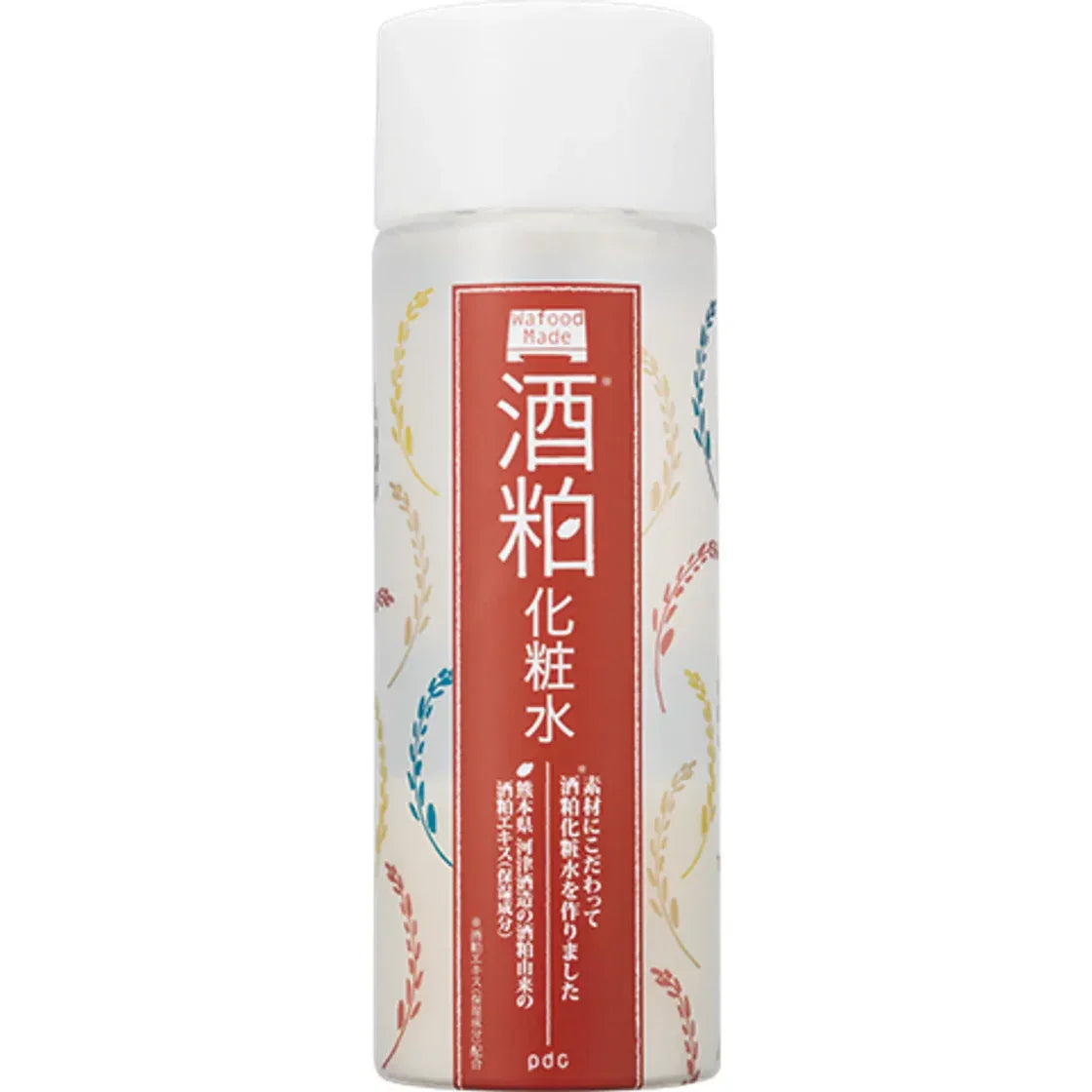
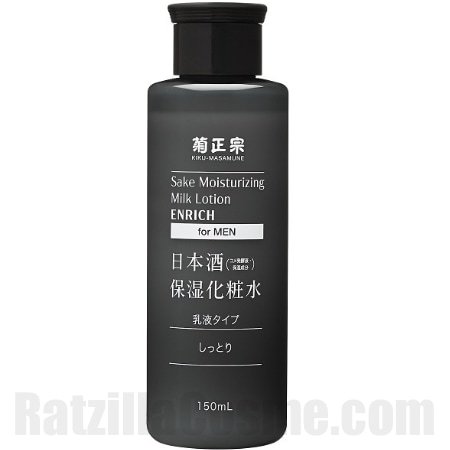
Japanese brands like Sake no Shizuku and Kiku-Masamune have built entire product lines around sake lees. These products range from cleansing balms to masks to creams, all leveraging the traditional beauty benefits of sake fermentation. The ingredient is uniquely Japanese and cannot be easily replicated outside of sake-producing regions.
Natural enzymes gently exfoliate, kojic acid brightens, amino acids hydrate, and fermentation byproducts provide antioxidant protection.
The Japanese Context
Traditional Japanese beauty ingredient used by geishas. Represents zero-waste philosophy and connection to sake brewing culture. Uniquely Japanese.
Best For
How It's Used
Typical concentration: Varies widely, from 5% to pure sake kasu in masks
Ingredient Interactions
Side Effects and Cautions
Generally well tolerated. Has distinctive fermented smell. Avoid if allergic to fungi or fermented products.