Centella Asiatica
Also known as: Cica, tiger grass, gotu kola
What It Does
A potent calming herb that reduces inflammation, promotes wound healing, and strengthens the skin barrier.
Centella asiatica, also known as cica or tiger grass, is a medicinal herb used in traditional Asian medicine for centuries. It gained its tiger grass nickname from the observation that wounded tigers would roll in the plant to heal injuries. Modern science has validated many of its traditional uses, confirming potent wound-healing, anti-inflammatory, and collagen-stimulating properties.
Centella contains several active compounds: asiaticoside, madecassoside, asiatic acid, and madecassic acid. These compounds work synergistically to calm inflammation, accelerate wound healing, strengthen the skin barrier, and stimulate collagen production. Centella is particularly effective for acne-prone and sensitive skin.
Korean and Japanese brands have embraced centella extensively. While Korea made it famous with products like Centella creams and cica masks, Japanese brands also use it in sensitive skin lines and post-procedure treatments. It is often combined with other soothing ingredients like panthenol and allantoin.
Active compounds (asiaticoside, madecassoside) reduce inflammation, accelerate wound healing, and stimulate collagen synthesis. Strengthens barrier function.
The Japanese Context
Increasingly popular in Japanese sensitive skin and post-procedure products. Traditional Asian medicinal herb gaining modern formulation use.
Best For
How It's Used
Typical concentration: 1 to 10% for extracts, 0.1 to 1% for isolated compounds
Ingredient Interactions
Side Effects and Cautions
Very well tolerated. Rare allergic reactions possible.
Products With Centella Asiatica

Aqualabel
Cica Serum Treatment Lotion - 170ml
Where to buy →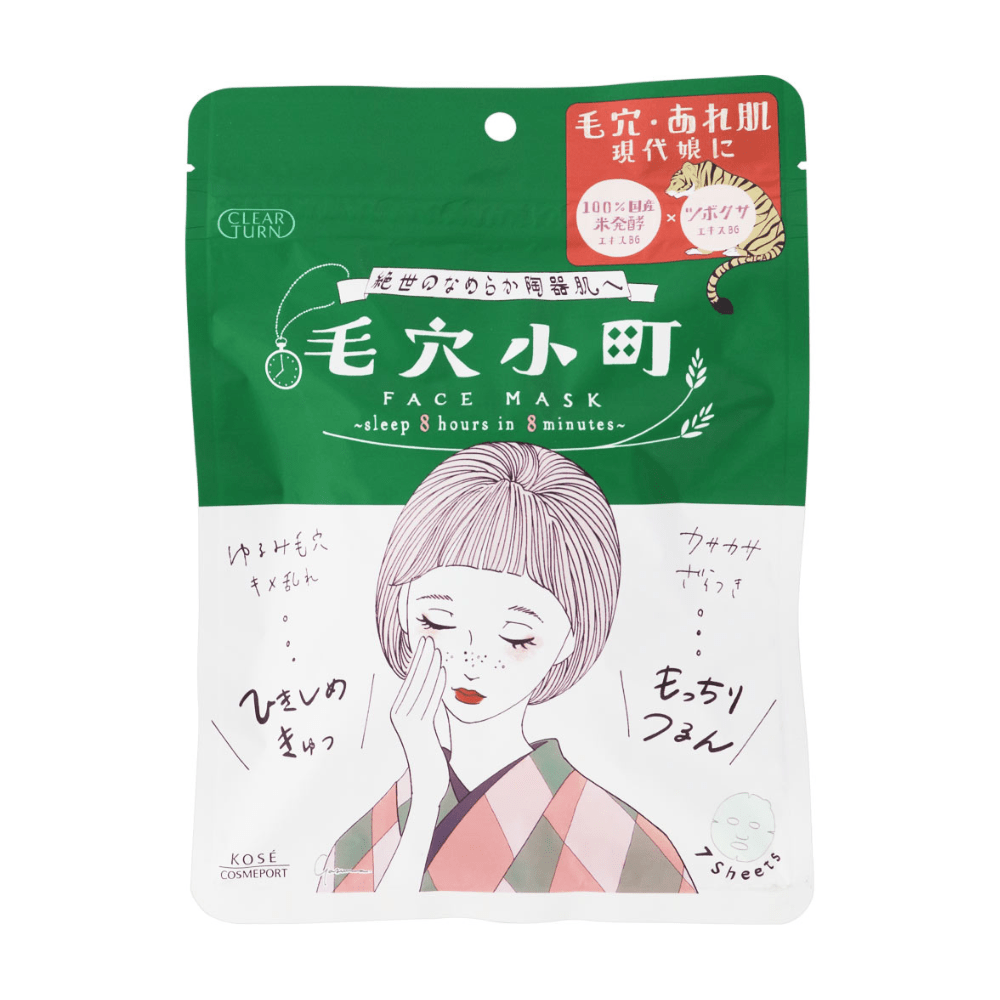
Kose
Kose Clear Turn Pore Mask 7 Pieces
Where to buy →
Kose
KOSE Make Keep Mist Cool
Where to buy →OMI Brotherhood
Verdio UV Moisture Gel SPF50+ PA++++
Where to buy →Rohto