What It Does
A gentle, non-irritating compound that promotes cell regeneration and soothes irritated skin. Found in many Japanese sensitive skin products.
Allantoin is a naturally occurring compound found in comfrey root, wheat sprouts, and other plants. It is widely used in skincare for its soothing, healing, and keratolytic (skin-softening) properties. Allantoin is exceptionally gentle and well tolerated, making it a staple in products for sensitive, irritated, or damaged skin.
Allantoin promotes cell proliferation and wound healing, accelerates the removal of dead skin cells, and has anti-inflammatory effects. It soothes irritation without causing additional sensitivity, making it ideal for use after exfoliation, waxing, or other potentially irritating treatments. It also enhances the penetration of other ingredients.
In Japanese skincare, allantoin is commonly found in soothing creams, baby products, and post-procedure treatments. It is a key ingredient in many Japanese sunscreens and after-sun products for its calming effects.
Promotes cell proliferation and wound healing. Softens keratin to facilitate removal of dead cells. Reduces inflammation and irritation.
The Japanese Context
Widely used in Japanese soothing and healing products. Common in sunscreens and after-sun treatments.
Best For
How It's Used
Typical concentration: 0.1 to 2%
Ingredient Interactions
Side Effects and Cautions
Extremely well tolerated. Very rare irritation.
Products With Allantoin
Curel
Curel Deep Moisture Spray
Where to buy →Curel
Curel Moisture Facial Lotion Enrich
Where to buy →Ihada
IHADA Medicated Emulsion
Where to buy →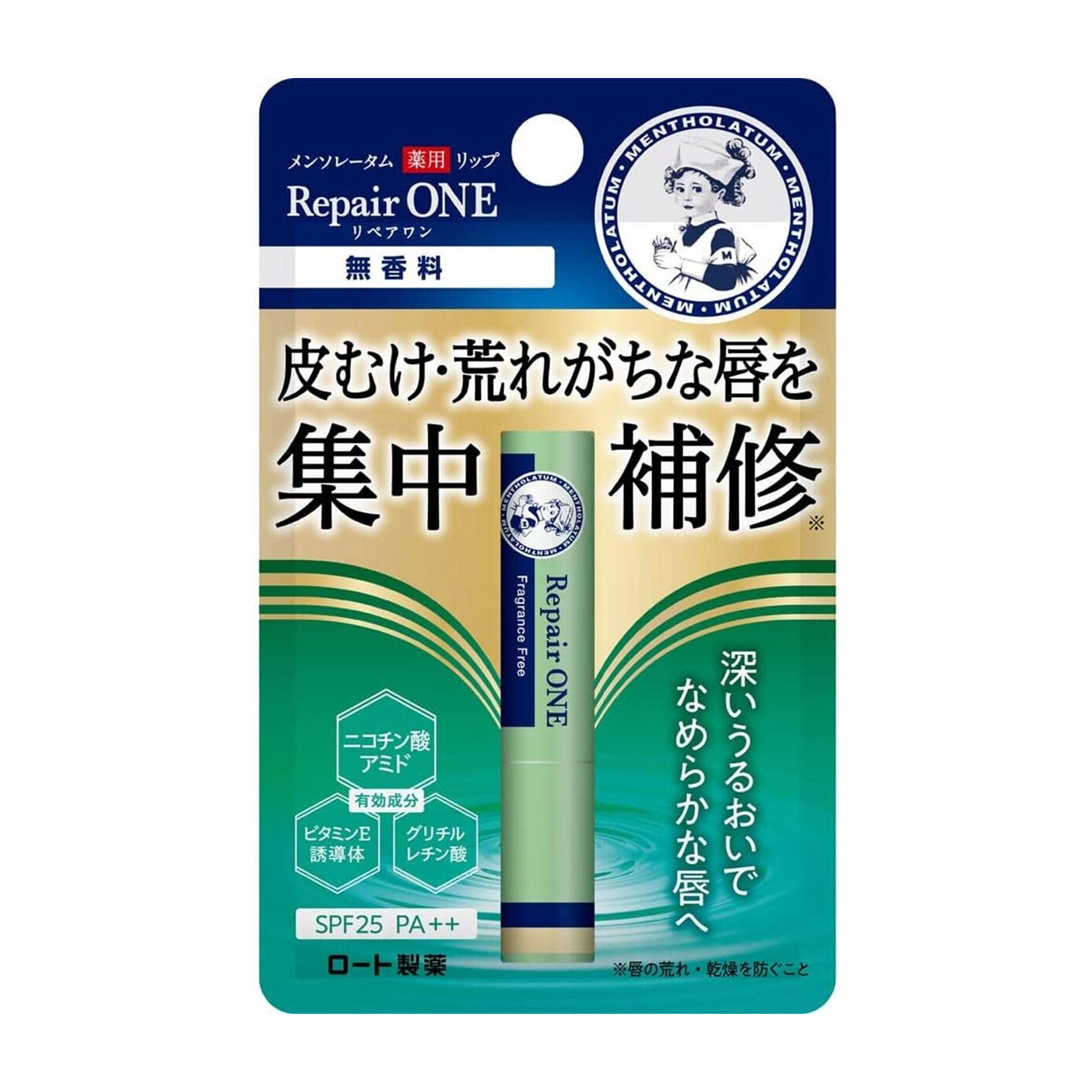
Rohto
Mentholatum Repair One Lip Balm SPF25
Where to buy →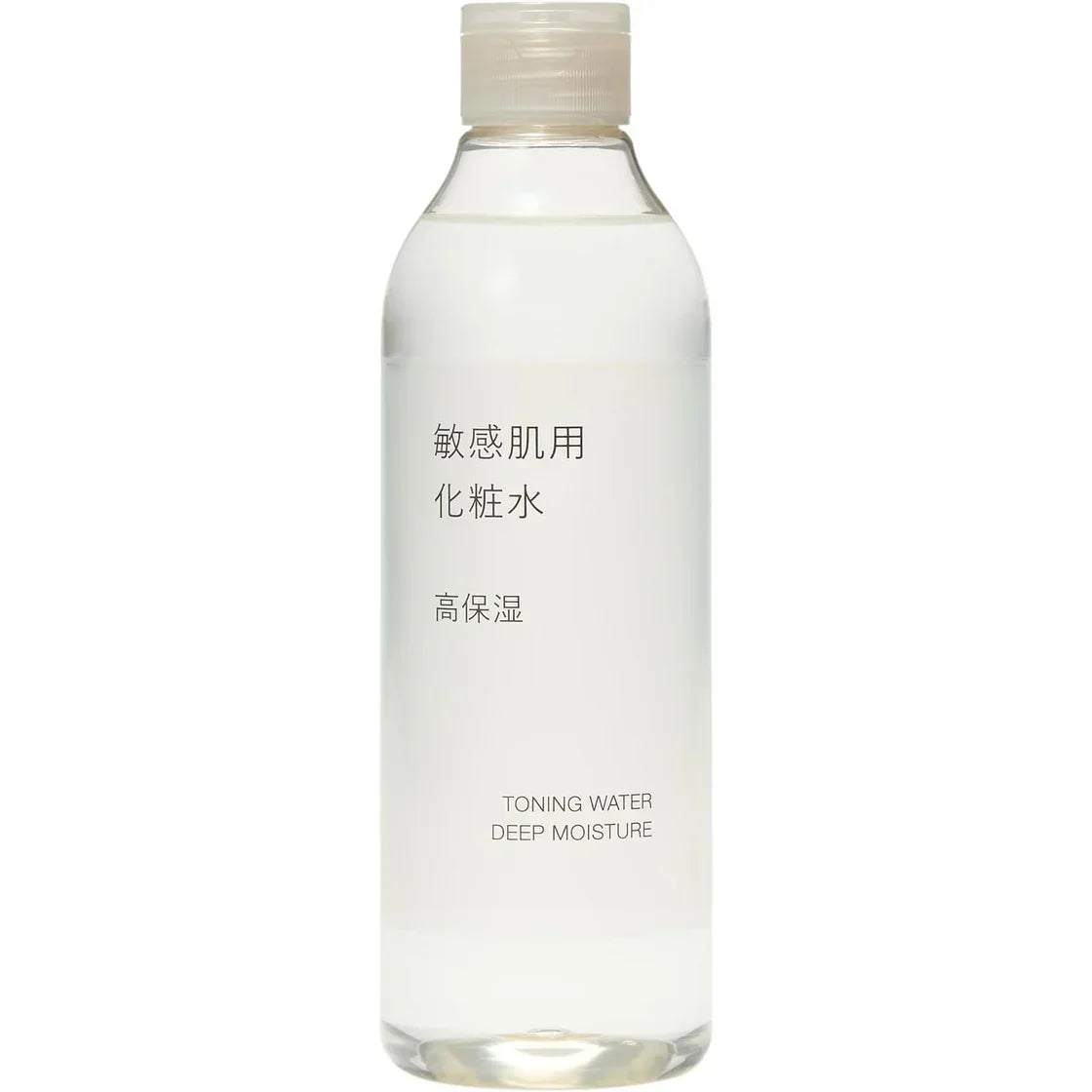
Muji
Toning Water for Sensitive Skin - 300ml
Where to buy →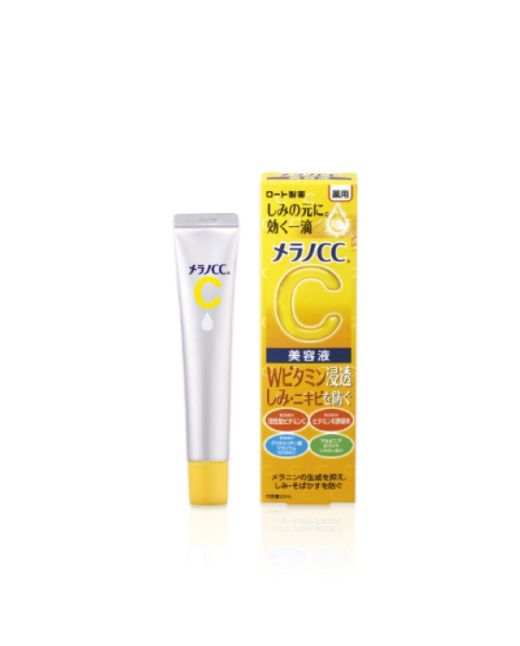
Rohto
Melano CC Premium Brightening Essence
Where to buy →
Reihaku