Tinosorb S
Also known as: Bis-ethylhexyloxyphenol methoxyphenyl triazine
What It Does
A broad spectrum organic UV filter that is photostable and can stabilize other less stable filters. Popular in premium Japanese sunscreens.
Tinosorb S (bemotrizinol) is a broad-spectrum organic (chemical) UV filter that protects against both UVA and UVB rays. It is one of the most photostable sunscreen ingredients available, meaning it does not break down under UV exposure. Tinosorb S is approved in Europe, Asia, and many other regions but not yet in the United States.
Unlike traditional chemical filters that absorb UV radiation, Tinosorb S both absorbs and scatters UV rays, functioning similarly to mineral filters. This dual action makes it highly effective while remaining gentle on skin. It is water-resistant and does not leave a white cast, making it ideal for lightweight, cosmetically elegant sunscreen formulations.
Japanese sunscreens leverage Tinosorb S for its superior photostability and broad-spectrum protection. It is commonly found in high-end Japanese sunscreens from brands like Anessa, La Roche-Posay (sold in Japan), and Biore UV. Japanese formulations often combine it with other filters to achieve maximum protection in lightweight textures.
Both absorbs and scatters UV radiation across UVA and UVB spectrum. Highly photostable, does not break down under sun exposure.
The Japanese Context
Widely used in Japanese sunscreens for superior photostability and broad-spectrum protection. Enables lightweight, high-protection formulations.
Best For
How It's Used
Typical concentration: 5 to 10%
Ingredient Interactions
Side Effects and Cautions
Well tolerated. Rare irritation possible. Not approved in USA but approved in Japan and EU.
Products With Tinosorb S
Allie (Kanebo)
Allie Chrono Beauty Flat Smooth Filter UV
Where to buy →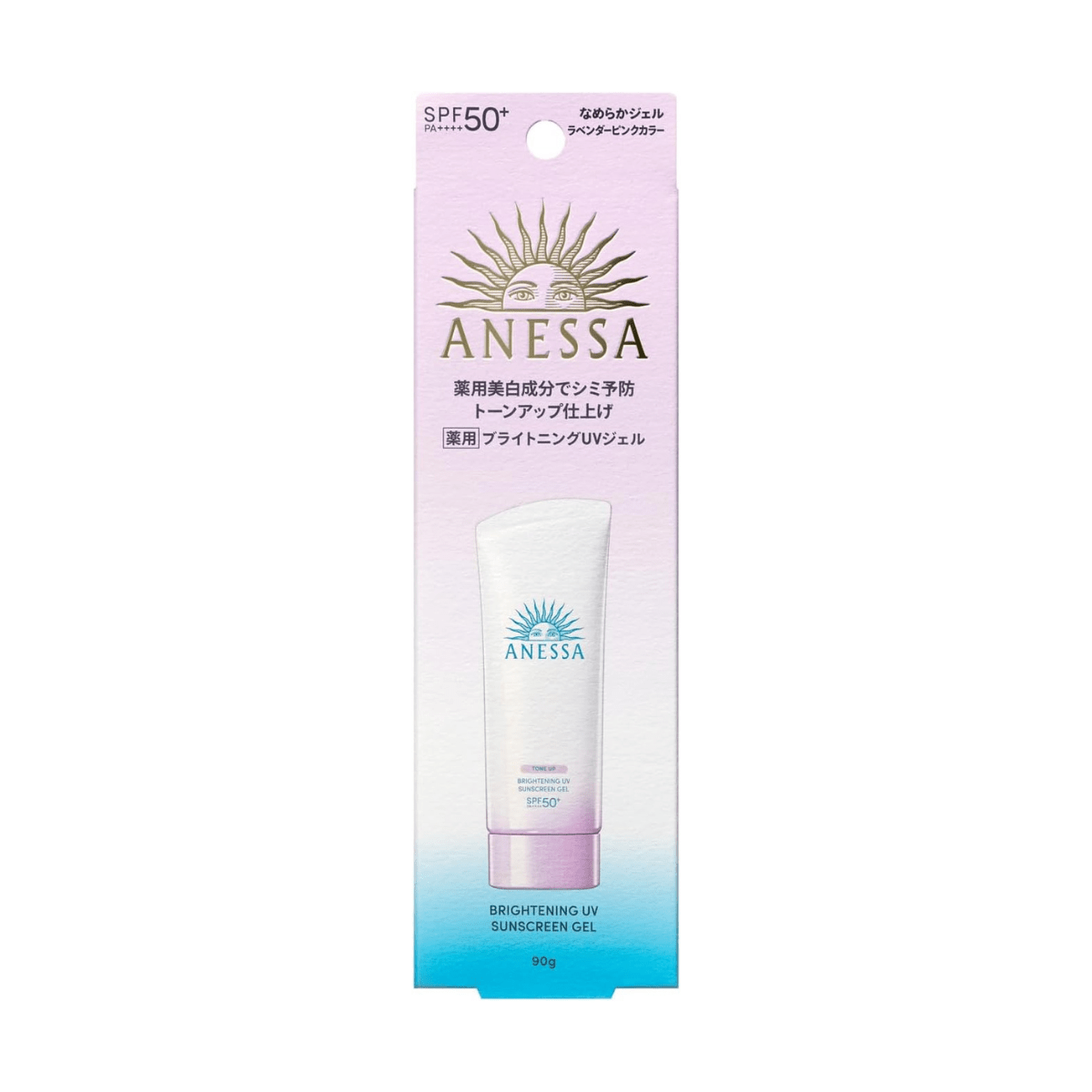
Anessa
Anessa Brightening UV Sunscreen Gel (2026)
Where to buy →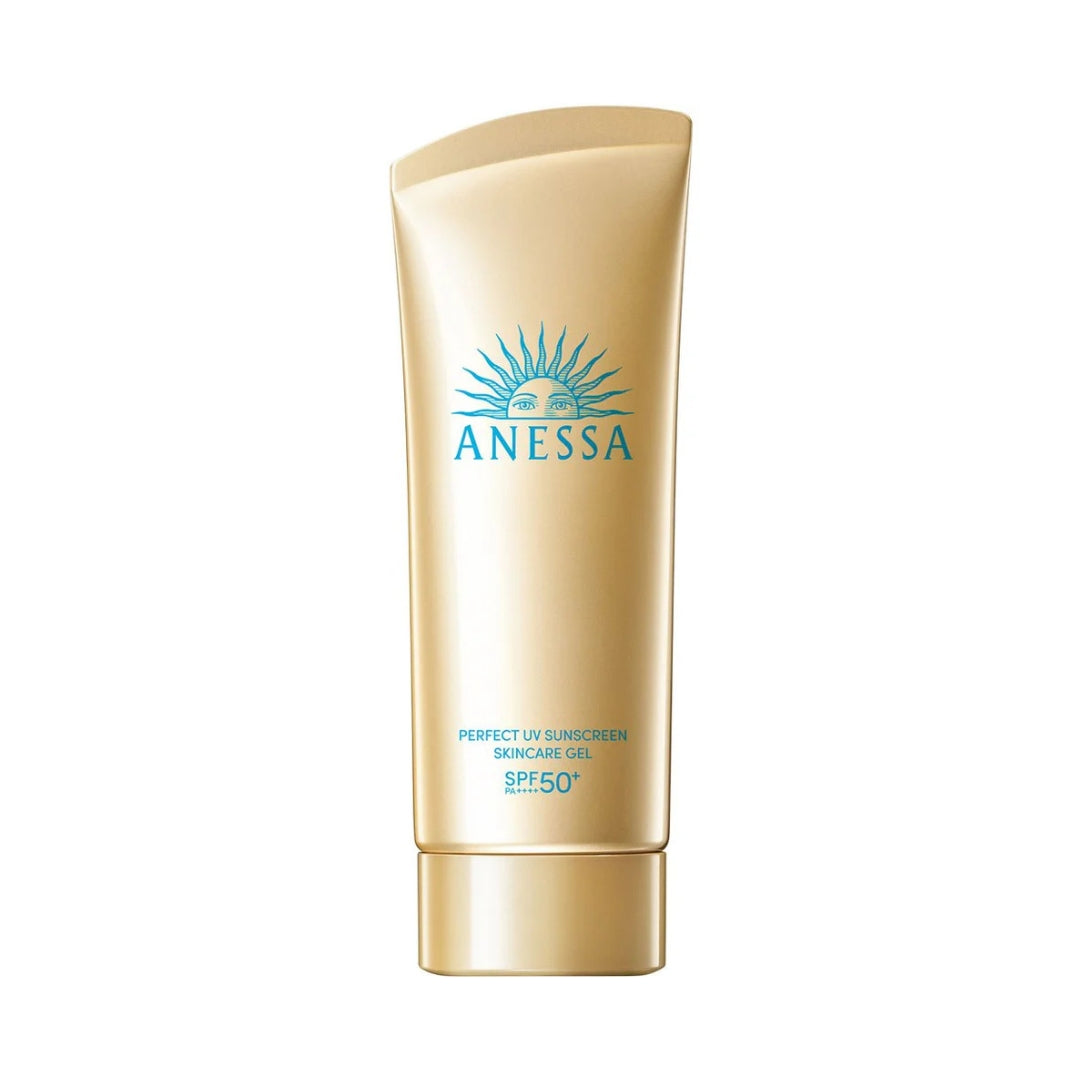
Anessa
Anessa Perfect UV Sunscreen Skincare Gel (2026)
Where to buy →by365 (Naris)
by365 Powdery UV Gel SPF50+
Where to buy →Country & Stream
Country & Stream Honey UV Water Gel SPF50+
Where to buy →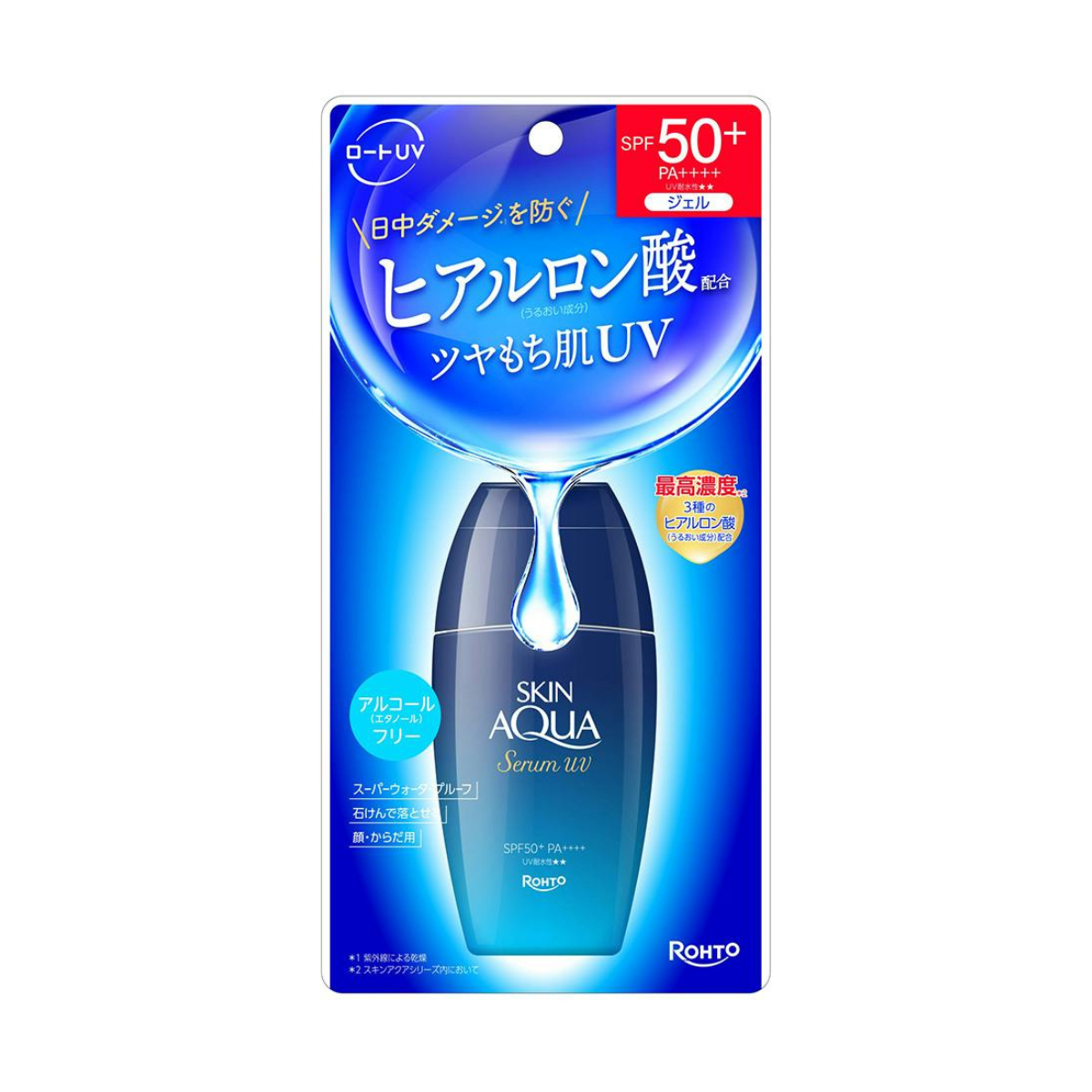
Skin Aqua
Skin Aqua Serum UV (2026 Formula)
Where to buy →
Skin Aqua