Honey
Also known as: Mel, Honey Extract (ハチミツエキス)
What It Does
A natural humectant rich in vitamins, minerals, and antioxidants that deeply hydrates, supports the skin barrier, and provides gentle antimicrobial properties.
Honey has been used in skincare since ancient times, prized for its ability to draw moisture from the air and lock it into the skin. It contains a complex blend of sugars (primarily fructose and glucose), vitamins B and C, minerals, amino acids, enzymes, and polyphenols including flavonoids and phenolic acids. These components work together to provide powerful humectant properties, antioxidant protection, and mild antimicrobial benefits. Studies have shown that honey-enriched formulations can increase skin hydration by up to 29.7% over four weeks. Beyond hydration, honey supports barrier function, helps calm irritation, and contributes to a healthy, radiant complexion.
Japanese beauty brands particularly value honey for its ability to deliver the "mochi-hada" (もち肌) ideal: soft, plump, resilient skin with a natural bounce. Honey appears across categories, from lip care and cleansers to premium serums and masks, often combined with other traditional ingredients like royal jelly or fermented extracts.
As a natural humectant, honey attracts water molecules from the environment and binds them to the skin's surface, preventing transepidermal water loss. Its high sugar content creates an osmotic effect that helps retain moisture in the stratum corneum. The enzyme glucose oxidase in honey produces small amounts of hydrogen peroxide and gluconic acid, contributing gentle antimicrobial activity that helps maintain a healthy skin microbiome. Honey's antioxidants (polyphenols, flavonoids) neutralize free radicals caused by UV exposure and pollution, helping prevent premature aging. The natural enzymes and amino acids support gentle exfoliation and skin renewal.
The Japanese Context
Honey has a special place in Japanese beauty philosophy, particularly within natural and traditional skincare lines. Japanese beekeeping brands like Yamada Bee Farm (山田養蜂場) and &honey have built entire skincare and hair care ranges around honey and bee-derived ingredients. The focus is on honey's ability to deliver deep, long-lasting hydration without heaviness, a key pillar of J-beauty's preference for layered, moisture-rich routines. Honey is also valued for its versatility: it appears in everything from lip scrubs and balms to high-end fermented serums. The ingredient aligns with J-beauty's emphasis on gentle, natural components that support skin health rather than aggressively "fixing" problems.
Best For
How It's Used
Typical concentration: 0.5% to 30% depending on product type. Lip care and masks may use higher concentrations (10%+), while toners and lotions typically use 1-5%.
Ingredient Interactions
Side Effects and Cautions
Rare allergic reactions possible in individuals with bee product allergies. Patch test recommended for sensitive individuals. Generally very well tolerated.
Products With Honey

&honey
&honey Moisturizing Honey Cleansing Oil
Where to buy →&honey
&honey Deep Moist Hair Oil
Where to buy →Country & Stream
Country & Stream Honey UV Water Gel SPF50+
Where to buy →
&honey
&honey Deep Moist Treatment 2.0
Where to buy →
&honey
&honey Melty Moist Repair Hair Treatment 2.0
Where to buy →
&honey
&honey Melty Moist Repair Hair Oil 3.0
Where to buy →
&honey
&honey Herb Smooth Treatment
Where to buy →
&honey
&honey Milky Precious EX Repair Treatment 2.0
Where to buy →
&honey
&honey Milky Precious EX Repair Shampoo 1.0
Where to buy →
&honey
&honey Melty Moist Shine Hair Oil 3.0
Where to buy →
&honey
&honey Herb Smooth Shampoo
Where to buy →
&honey
&honey Pure Moist Foaming Body Wash
Where to buy →
Canmake
Canmake Plump Lip Care Scrub
Where to buy →
DHC
DHC Mild Soap
Where to buy →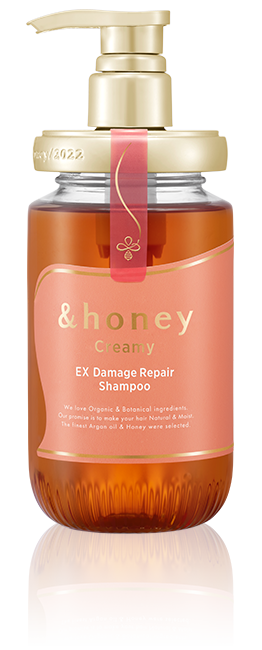
&honey
&honey Creamy EX Damage Repair Shampoo 1.0
Where to buy →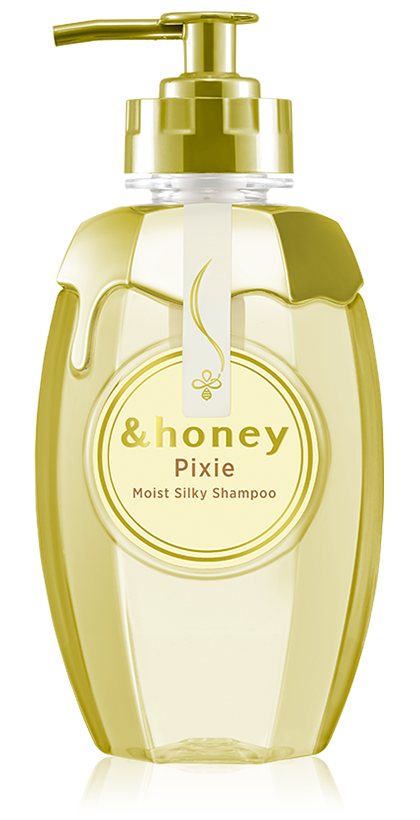
&honey
&honey Pixie Moist Silky Shampoo 1.0
Where to buy →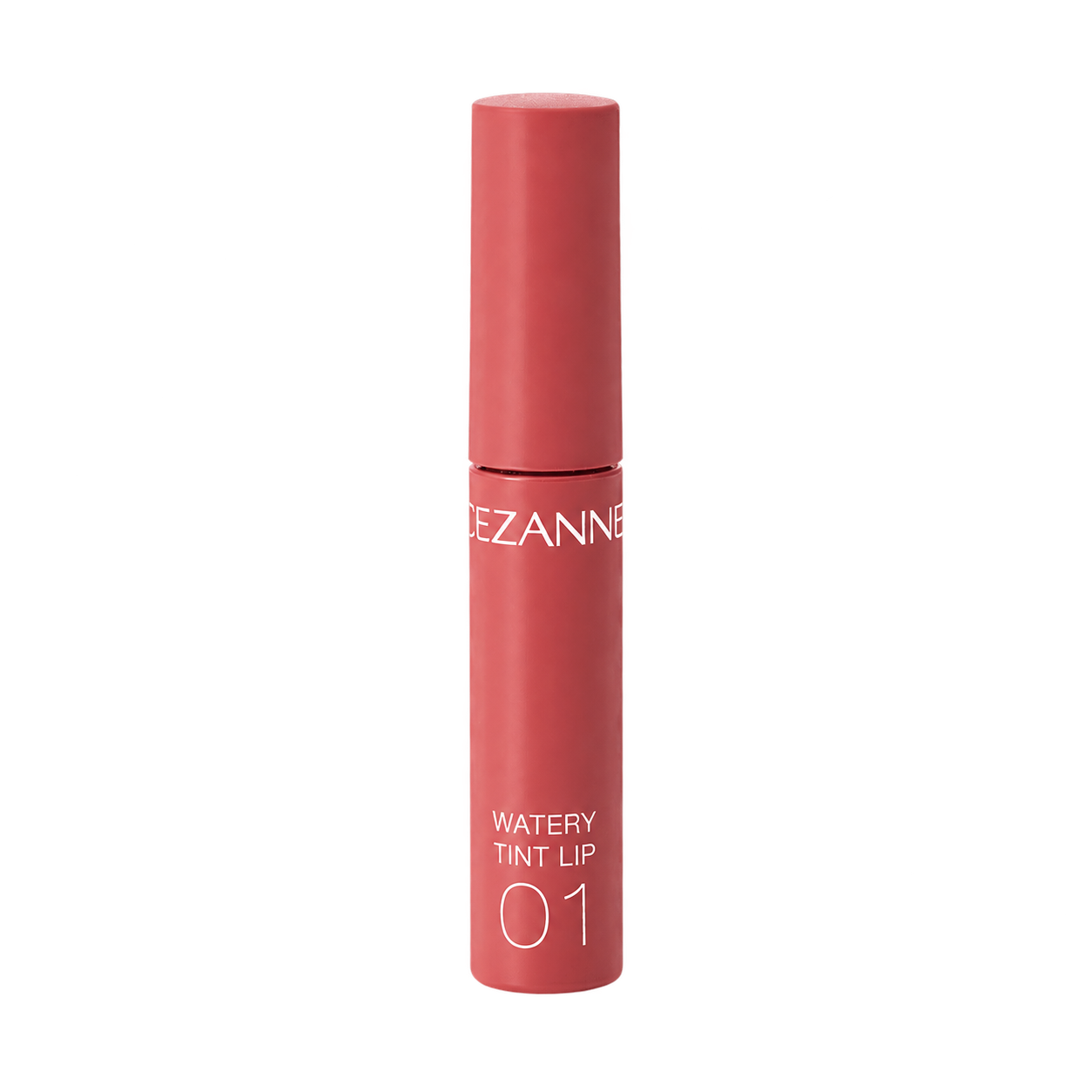
Cezanne