Best Japanese Eye Creams: Wrinkles, Dark Circles & Puffiness
This article contains affiliate links. As an Amazon Associate, we earn from qualifying purchases.
Quick Takeaway
- Anti wrinkle: POLA Wrinkle Shot (quasi drug, clinically backed Neilwan compound). Luxury tier but a tube lasts months.
- Best overall: Shiseido Benefiance Wrinkle Smoothing Eye Cream. Targets crow’s feet, lid creases, under eye lines.
- Budget: Sana Nameraka Wrinkle Care Eye Cream. Soy isoflavone + retinol, drugstore price.
- Sensitive skin: Curel Moist Repair Eye Cream. Ceramide based, fragrance free, minimal ingredients.
Japanese eye creams tend to approach the under eye area differently than Western formulas. Where most US eye creams lean on retinol, vitamin C, or peptides at higher concentrations, Japanese products often take a gentler route: lower irritation potential, more hydration focused formulas, and in some cases, quasi drug ingredients that have been approved by Japan’s Ministry of Health to make wrinkle improvement claims.
That regulatory distinction matters. In Japan, a product can earn “medicated” (医薬部外品) status, meaning it contains active ingredients at concentrations the government has verified for efficacy. Several eye creams on this list carry that designation, and the claims they make about wrinkle reduction aren’t just marketing copy.
Here are the best Japanese eye creams across budgets and concerns, based on @cosme rankings, r/AsianBeauty community favorites, and what holds up under scrutiny.
Best Anti Wrinkle: POLA Wrinkle Shot Medical Serum N
POLA Wrinkle Shot Serum N has been a consistent @cosme award winner and top seller in Japan for years. The active ingredient is Neilwan (NEI-L1), a POLA original compound that inhibits neutrophil elastase, an enzyme that breaks down collagen and elastin in the skin. POLA was the first company in Japan to receive quasi drug approval specifically for wrinkle improvement, back in 2017.
This is a serum texture, not a cream, so it layers well under moisturizer. You apply it directly to wrinkle lines (crow’s feet, forehead, between brows) rather than the entire under eye area. The formula is concentrated and a little goes a long way, which helps justify the price point.
Who it’s for: Anyone specifically targeting visible wrinkles and fine lines around the eyes who wants a clinically backed formula. This is a treatment product, not a general moisturizer.
Price range: Around ¥14,850 (~$100) for 20g. Luxury tier, but a tube lasts months with targeted application.
POLA
2 retailersSee retailers →
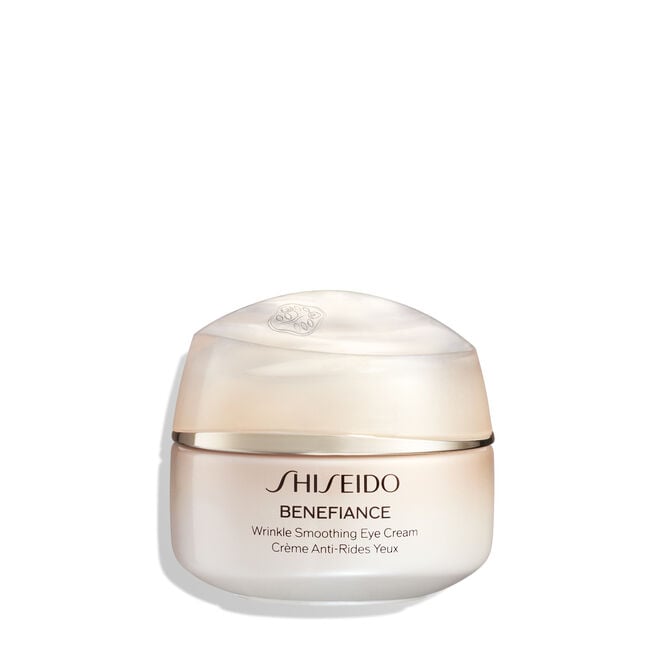
Best Overall: Shiseido Benefiance Wrinkle Smoothing Eye Cream
Shiseido Benefiance Wrinkle Smoothing Eye Cream is the most accessible premium option on this list. It uses Shiseido’s proprietary technology alongside their Kombu Bounce Complex to target multiple types of eye area wrinkles, including crow’s feet, lid creases, and under eye lines.
The texture is a rich cream that absorbs without leaving a greasy film, and it sits well under makeup. Shiseido claims visible wrinkle correction within a week, which is ambitious but aligns with what reviewers consistently report: noticeable smoothing within the first few uses.
This is also one of the easiest Japanese eye creams to find in the US. Shiseido sells it through their US site, and it’s stocked at major beauty retailers.
Who it’s for: Someone who wants a well rounded eye cream that handles wrinkles, dryness, and general eye area aging in one product. Good entry point into Japanese eye care.
Price range: Around $70 for 15ml.
Shiseido
6 retailersSee retailers →
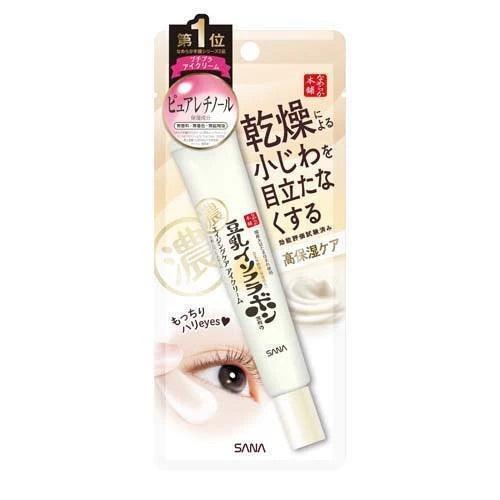
Best Budget: Sana Nameraka Honpo Wrinkle Care Eye Cream N
Soy Milk Wrinkle Care Eye Cream N from Sana is one of the most frequently recommended Japanese eye creams on Reddit’s r/AsianBeauty, and for good reason. It packs pure retinol and retinyl palmitate into a soy milk fermentation base, along with a Vitamin E derivative for antioxidant support.
The soy isoflavone base is what makes Sana’s Nameraka line distinctive. Soy isoflavones are structurally similar to estrogen and have been studied for their ability to support collagen production and skin elasticity. Combined with retinol, this eye cream targets fine lines from two different angles.
This is a medicated (quasi drug) formula, meaning the retinol concentration has been verified by Japanese regulators. It’s a multiple @cosme award winner and remains a consistent best seller.
Who it’s for: Anyone who wants retinol in their eye cream without the price tag of Western retinol eye treatments. Also a good choice for people who find Western retinol products too irritating, since the soy base is inherently soothing. If you’re looking for retinol options beyond eye cream, see our guide to Japanese retinol products.
Price range: Around ¥1,000 (~$7) for 25g. Exceptional value.
Sana
3 retailersSee retailers →
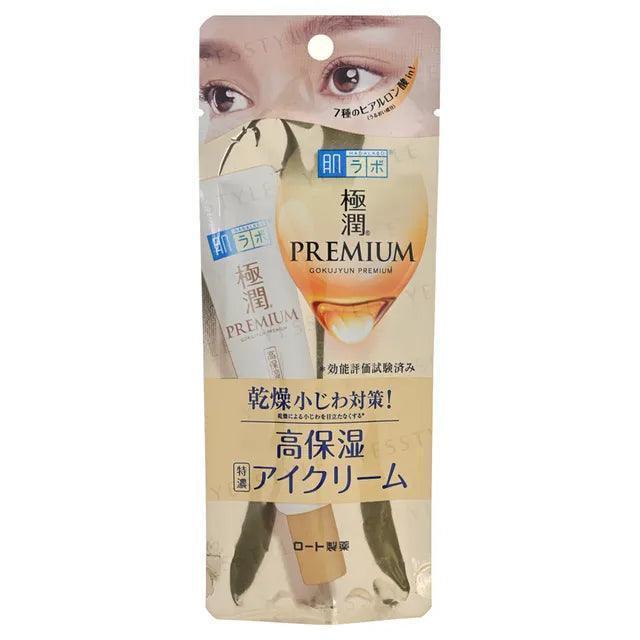
Best for Hydration: Hada Labo Gokujyun Premium Hyaluronic Eye Cream
Gokujyun Premium Hyaluronic Eye Cream takes Hada Labo’s signature multi weight hyaluronic acid approach and concentrates it for the eye area. The formula includes five types of hyaluronic acid at different molecular weights, from large molecules that sit on the surface and hold moisture to smaller ones that penetrate deeper layers.
If your main concern is dryness, dehydration lines, or that “crepey” texture under the eyes, this is the one to reach for. It doesn’t contain retinol or active anti wrinkle ingredients, but the intense hydration plumps fine lines effectively and provides a smooth base for concealer.
The texture is a light gel cream that absorbs fast without pilling, which makes it practical for both morning and evening routines.
Who it’s for: Dry or dehydrated skin types who need serious moisture in the under eye area. Also good for anyone in their 20s who wants preventive eye care without jumping straight to retinol.
Price range: Around ¥900 (~$6) for 20g. Drugstore pricing.
Hada Labo
2 retailersSee retailers →
Prefer an eye gel with a cooling applicator?
Obagi Medical’s US range is worth comparing if the applicator and hydrating eye step appeal more than another jar cream.
For hydration with a cooling applicator
Obagi Daily Hydro-Drops Rejuvenating Eye Gel Cream
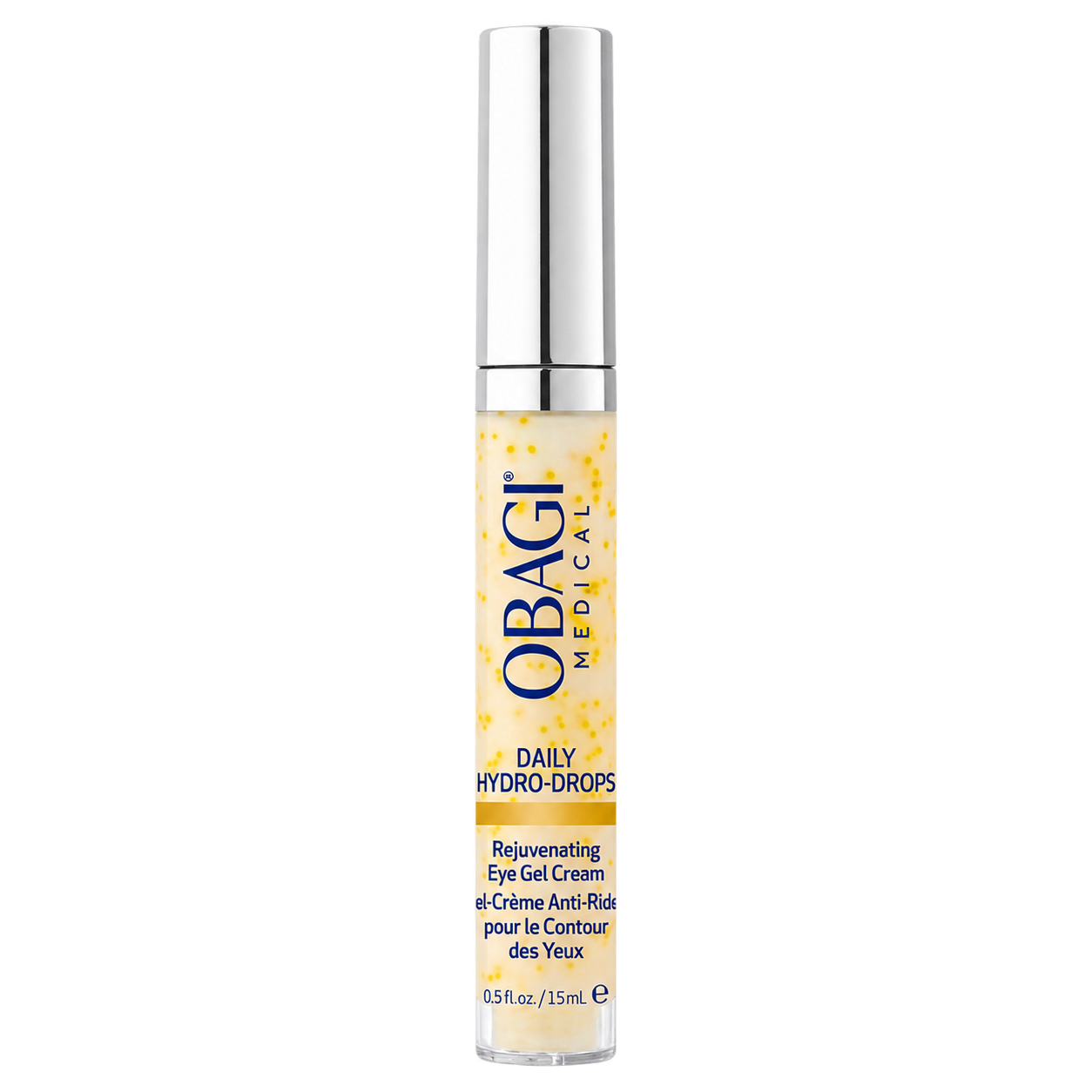
Daily Hydro-Drops Eye Gel Cream fits someone who wants a hydrating eye step and likes a cooling applicator. Choose it when moisture and a fresher looking eye area are the priority.
It is a separate formula from the Daily Hydro-Drops face serum.
Shop on Amazon USFor a focus on fine lines, compare it with Obagi ELASTIderm Eye Cream.
Obagi product information. Checked October 9, 2026.
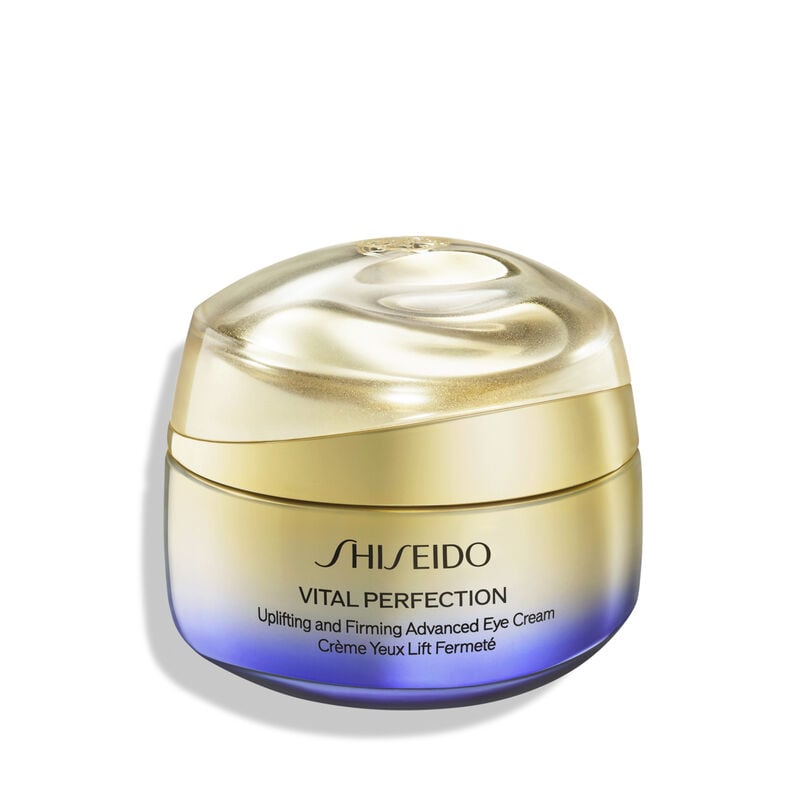
Best for Firming: Shiseido Vital Perfection Uplifting and Firming Eye Cream
Shiseido Vital Perfection Uplifting and Firming Eye Cream targets sagging, dark circles, and wrinkles simultaneously, which is a tall order for one product. Shiseido’s RetinolACE technology (with retinyl acetate formulated for the eye area), SafflowerRED™ extract, and MicroVitalizer Technology (caffeine and Chai Hu extract) work together to address structural firmness, discoloration, and puffiness.
Where the Benefiance focuses primarily on wrinkles, the Vital Perfection line is designed for more advanced signs of aging: loss of elasticity, pronounced under eye bags, and dark circles caused by thinning skin rather than pigmentation. The formula feels richer than the Benefiance eye cream, and it takes a moment longer to absorb.
Shiseido developed this line specifically for mature skin that’s dealing with multiple concerns at once, and the ingredient technology reflects that with more complex active combinations.
Who it’s for: Mature skin (40+) dealing with sagging, bags, and dark circles in addition to wrinkles. This is a step up from the Benefiance in terms of both richness and targeted anti aging actives.
Price range: Around $95 for 15ml.
Shiseido
1 retailerSee retailers →
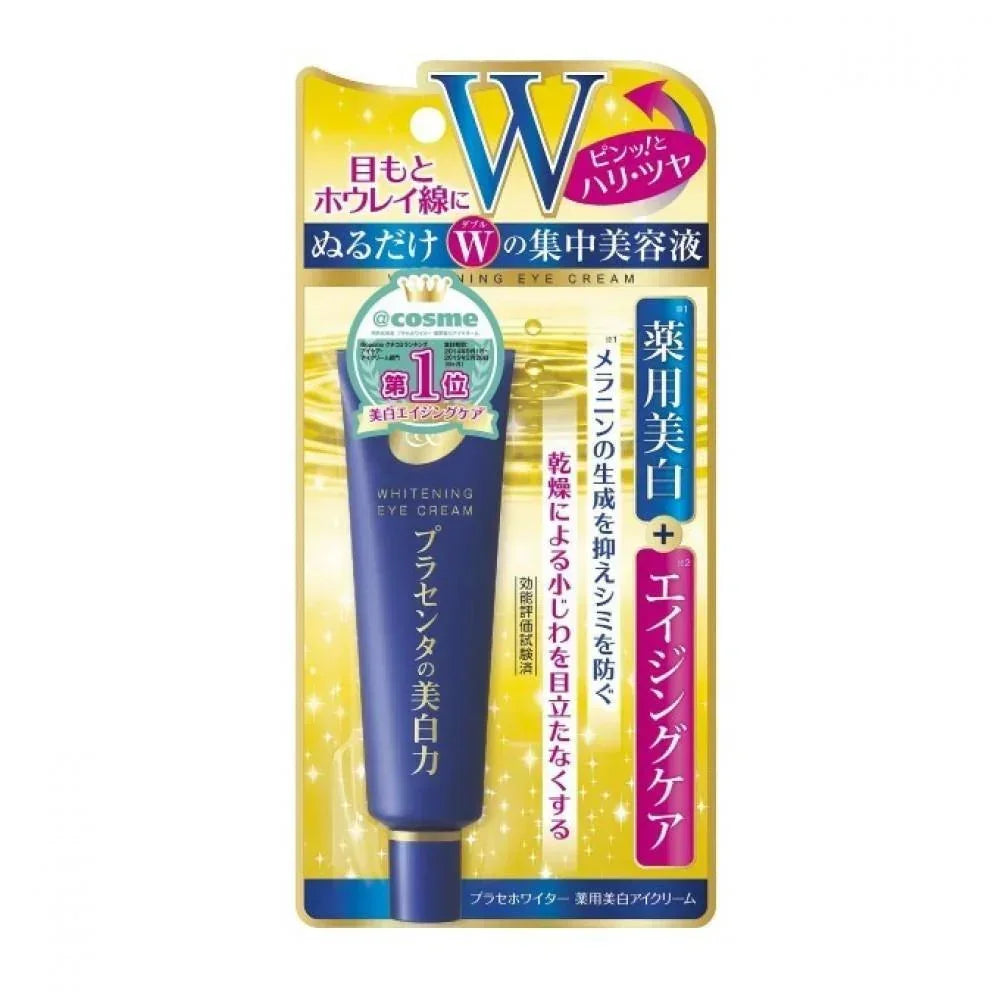
Best for Dark Circles: Meishoku Placenta Whitening Eye Cream
Whitening Eye Cream from Meishoku is a long time r/AsianBeauty favorite for dark circles. The key active is placenta extract, which in Japanese cosmetics refers to plant or animal derived extracts used for their growth factors and brightening properties. Combined with Vitamin C and Vitamin E, the formula targets melanin production that contributes to under eye darkness.
This is another medicated (quasi drug) product, meaning the brightening claims are backed by regulatory approval. The texture is rich but not heavy, and it absorbs well without interfering with morning skincare layers.
One thing to note: if your dark circles are primarily caused by blood vessels showing through thin skin (blueish/purple tone) or structural hollowing, a brightening cream won’t fully resolve them. Meishoku works best on pigmentation based dark circles (brownish tone), which are more common in East Asian skin types.
Who it’s for: Anyone dealing with pigmentation based dark circles who wants an affordable, proven brightening treatment for the eye area.
Price range: Around ¥1,100 (~$8) for 30g.
Meishoku
1 retailerSee retailers →
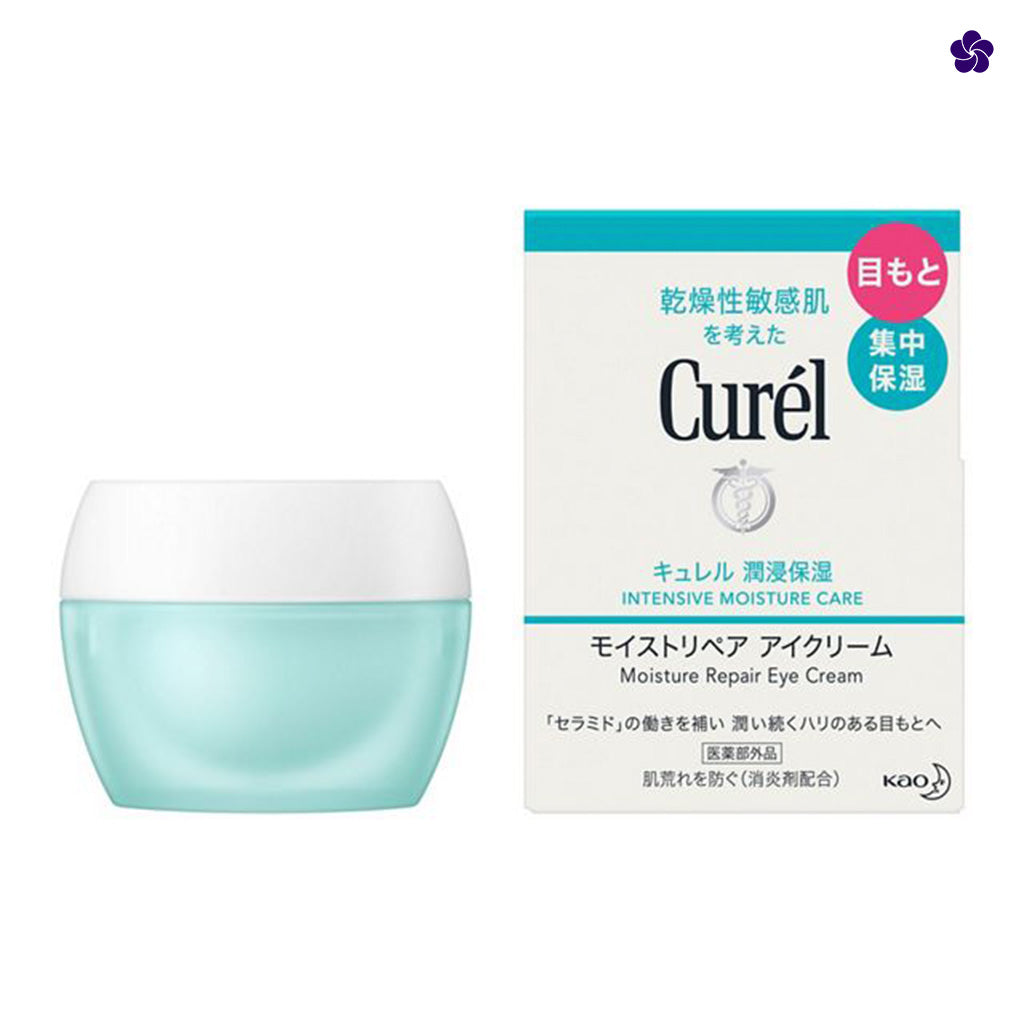
Best for Sensitive Skin: Curel Moist Repair Eye Cream
Curel’s Moist Repair Eye Cream comes from Kao’s ceramide focused sensitive skin line, which is one of the most trusted dermatologist recommended brands in Japan. The formula centers on synthetic ceramides that reinforce the skin barrier, along with anti inflammatory compounds to reduce irritation.
If you’ve tried other eye creams and experienced stinging, redness, or irritation, this is the safe choice. It’s fragrance free, alcohol free, and formulated specifically for reactive skin. The trade off is that it doesn’t contain active anti aging ingredients like retinol, but for sensitive skin types, barrier repair is often more impactful than actives that the skin can’t tolerate.
Who it’s for: Sensitive or reactive skin types who need an eye cream that won’t cause irritation. Also good for anyone using strong actives elsewhere in their routine who wants a gentle, barrier supportive eye treatment.
Price range: Around ¥3,000 (~$20) for 25g.
Curel
1 retailerSee retailers →
Also Worth Considering
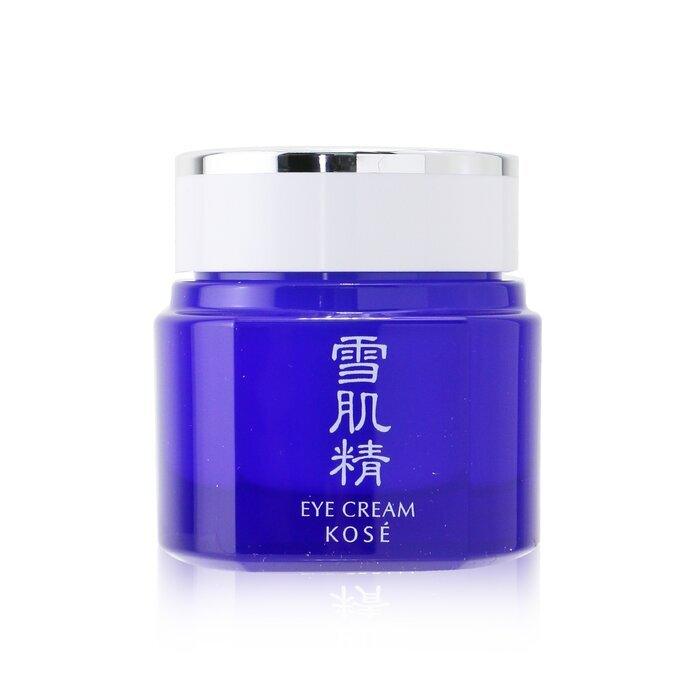
KOSE Sekkisei Eye Cream
Sekkisei Eye Cream from Kose combines ceramides with collagen boosting ingredients in the Sekkisei line’s signature brightening framework. It’s a well reviewed product in Japan. The focus is on hydration and brightening rather than deep wrinkle treatment, making it a solid all rounder for the mid price range.
Price range: Around ¥4,200 (~$28) for 20g.
SK-II SKINPOWER Under Eye Cream
SK-II SKINPOWER Under Eye Cream brings the brand’s signature Pitera (galactomyces ferment filtrate) to a dedicated eye formula. It targets fine lines, dark circles, and loss of firmness with the same fermented ingredient base that made SK-II famous. This is the luxury splurge option for SK-II devotees who want consistent ingredient philosophy across their routine.
Price range: Around $95 for 15g.
DHC Concentrated Eye Cream
DHC Concentrated Eye Cream leans on the brand’s olive oil expertise combined with peptides and collagen. It’s a straightforward, no nonsense formula that focuses on moisturizing and smoothing the eye area without any exotic active ingredients. Widely available through DHC’s US website.
Price range: Around $25 for 25g.


Why Japanese Eye Creams Take a Different Approach
Japanese skincare philosophy generally prioritizes prevention over correction, and this shows up clearly in eye cream formulations.
Most Japanese eye creams use lower concentrations of active ingredients compared to their Western counterparts, but they compensate with more sophisticated delivery systems and supporting ingredients that reduce irritation while maintaining efficacy. The idea is that consistent, gentle use over time produces better results than aggressive treatments that damage the skin barrier.
Japan’s quasi drug system also plays a role. Products like the POLA Wrinkle Shot and Sana Nameraka Wrinkle Eye Cream contain government verified active ingredients at specific concentrations. This is a stricter standard than the US, where “clinically tested” can mean almost anything and there’s no requirement for pre market efficacy verification of cosmetic claims.
The ingredient profiles also differ. Japanese eye creams frequently feature fermented ingredients (soy, rice, sake derived compounds), botanical extracts with long histories in traditional use, and unique proprietary compounds developed through decades of research (like POLA’s Neilwan). Western eye creams tend to rely more heavily on retinol, vitamin C, and peptides at higher concentrations.
Neither approach is inherently better. Japanese formulas tend to work well for people who want gradual improvement with minimal irritation risk, while Western formulas may deliver faster visible results at the cost of potential sensitivity. For a broader look at how Japan tackles aging skin, check out our guide to Japanese anti aging skincare.
How to Apply Japanese Eye Cream
The eye area has the thinnest skin on your face, so technique matters.
Amount: A grain of rice worth of product for both eyes. More isn’t better here; excess product can cause puffiness, especially in the morning.
Technique: Use your ring finger (it applies the least pressure naturally) and tap the product gently around the orbital bone in small dots. Start from the inner corner, move along the under eye toward the outer corner, then continue along the brow bone back to the inner corner. Never drag or pull.
When to apply in your routine
Eye cream goes after serum and before moisturizer. In a Japanese skincare routine:
- Cleanser
- Toner (lotion)
- Essence or serum
- Eye cream
- Moisturizer (cream or emulsion)
- Sunscreen (AM only)
If you’re using a treatment product like the POLA Wrinkle Shot, apply it to specific wrinkle areas first, then follow with a hydrating eye cream (like the Hada Labo) over the broader eye area.
Morning vs. evening: For AM, lighter formulas (Hada Labo, Curel) sit well under sunscreen and makeup. Richer creams like Vital Perfection can be used morning and evening (Shiseido recommends both), though many people prefer to use treatment products at night when the skin is in repair mode. POLA Wrinkle Shot can also be used at any time of day since it targets specific wrinkle lines rather than the whole eye area.
FAQ
Are Japanese eye creams better than Korean eye creams?
They’re different, not better. Japanese eye creams tend to use more fermented and botanical ingredients with a focus on gentle, gradual improvement. Korean eye creams often incorporate trending actives (bakuchiol, peptide complexes, snail mucin) and tend to be more experimental with formulations. Choose based on your skin’s needs and sensitivity level, not country of origin.
Can I use Japanese eye cream if I have sensitive skin?
Yes. Several Japanese eye creams are formulated specifically for sensitive skin. Curel’s Moist Repair Eye Cream is the standout choice, with ceramides and zero fragrance or alcohol. Hada Labo’s Gokujyun Premium Eye Cream is also well tolerated by most skin types since it relies on hyaluronic acid rather than potentially irritating actives.
Do I need a separate eye cream, or can I just use my moisturizer?
You can use moisturizer around your eyes, but dedicated eye creams are formulated for thinner, more delicate skin. They avoid common irritants found in face moisturizers (like high concentration actives or heavy fragrances) and typically have richer emollients to address the dryness that the eye area is prone to. If you’re in your 20s with no specific eye concerns, a gentle moisturizer may be sufficient. If you’re noticing fine lines, dark circles, or dryness, a dedicated eye cream is worth adding.
What’s the difference between “medicated” Japanese eye creams and regular ones?
“Medicated” (医薬部外品) is a Japanese regulatory category for products containing active ingredients at government verified concentrations. These products can make specific efficacy claims (like “improves wrinkles” or “brightens dark spots”) because the active ingredients have passed regulatory review. Regular cosmetic eye creams can’t make these claims in Japan, regardless of what ingredients they contain. POLA Wrinkle Shot, Sana Nameraka Wrinkle Eye Cream, and Meishoku Whitening Eye Cream all carry this designation.
How long before I see results from a Japanese eye cream?
For hydration and plumping (Hada Labo, Curel), you’ll typically notice a difference within a few days. For wrinkle improvement (POLA, Sana, Shiseido Benefiance), most users report visible changes in 2 to 4 weeks of consistent use. For dark circle brightening (Meishoku), expect 4 to 8 weeks, since melanin reduction is a slower biological process. Consistency matters more than quantity with all of these.